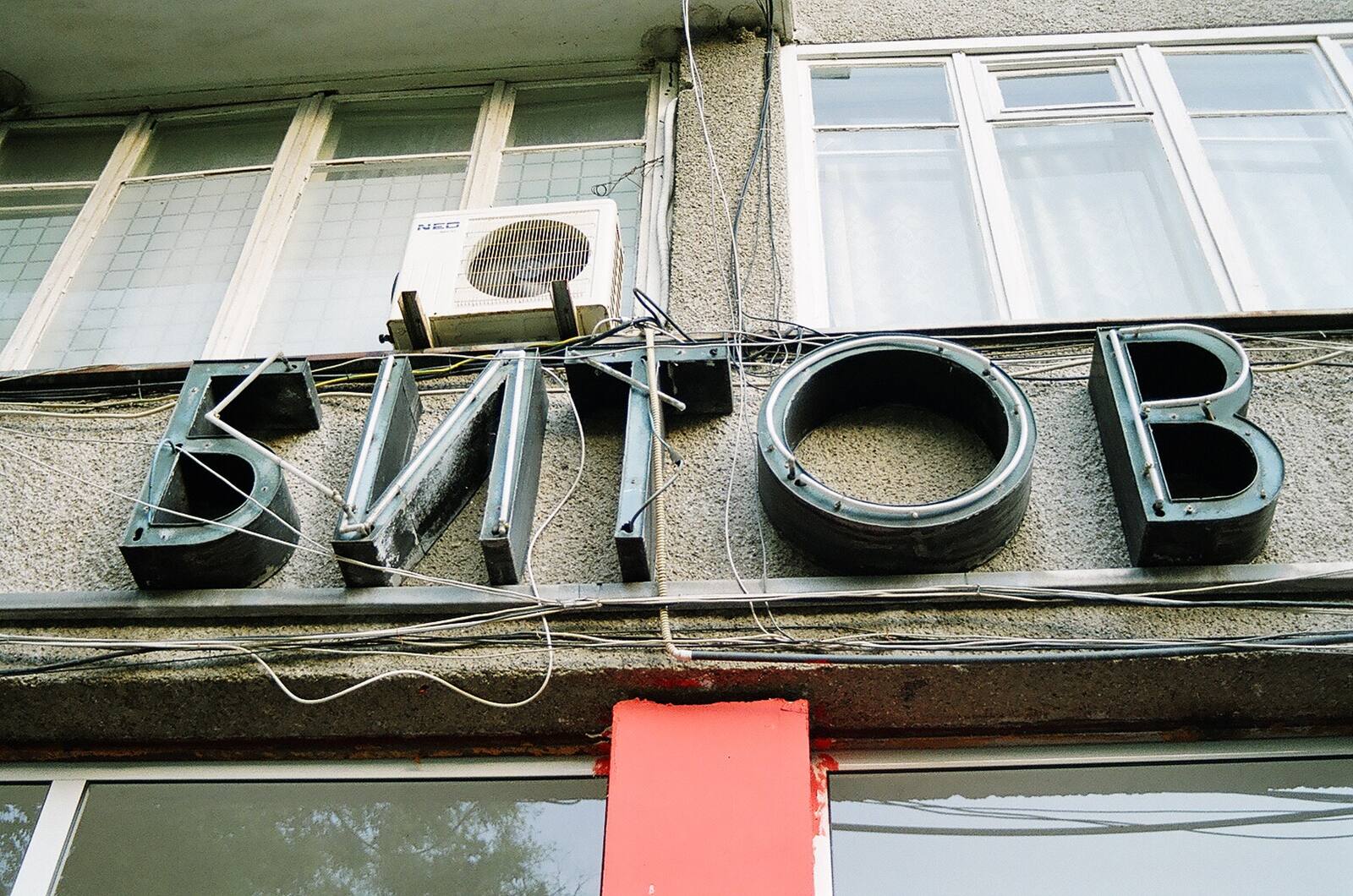
БИТОВ · homestyle
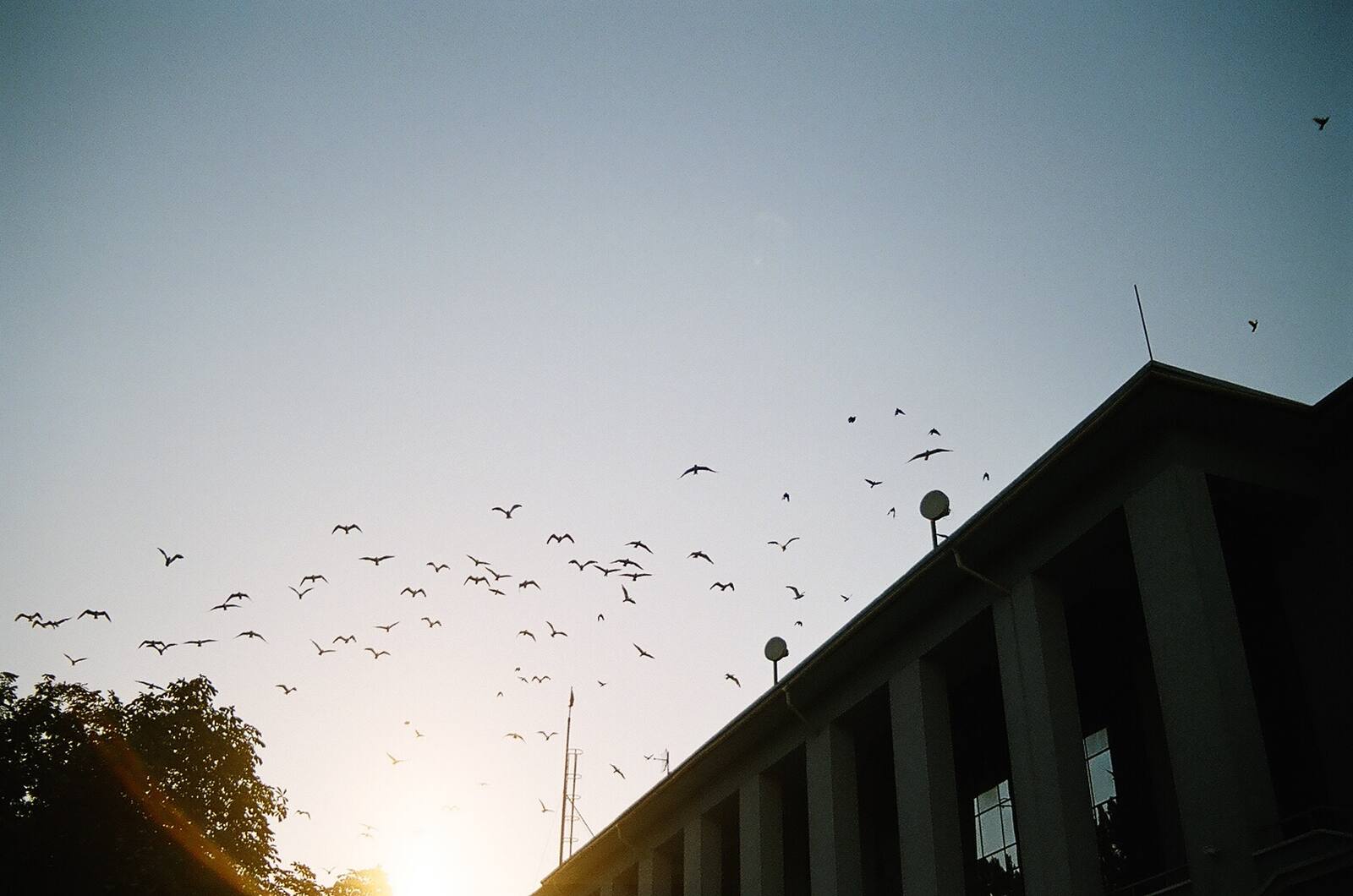
Varna up close. Sunset over the Naval Academy, seagulls on the last watch — then down into the streets of the transitional economy, the Sea Garden's marble and concrete, the cosmonauts, and the paper faces on every door.
The streets
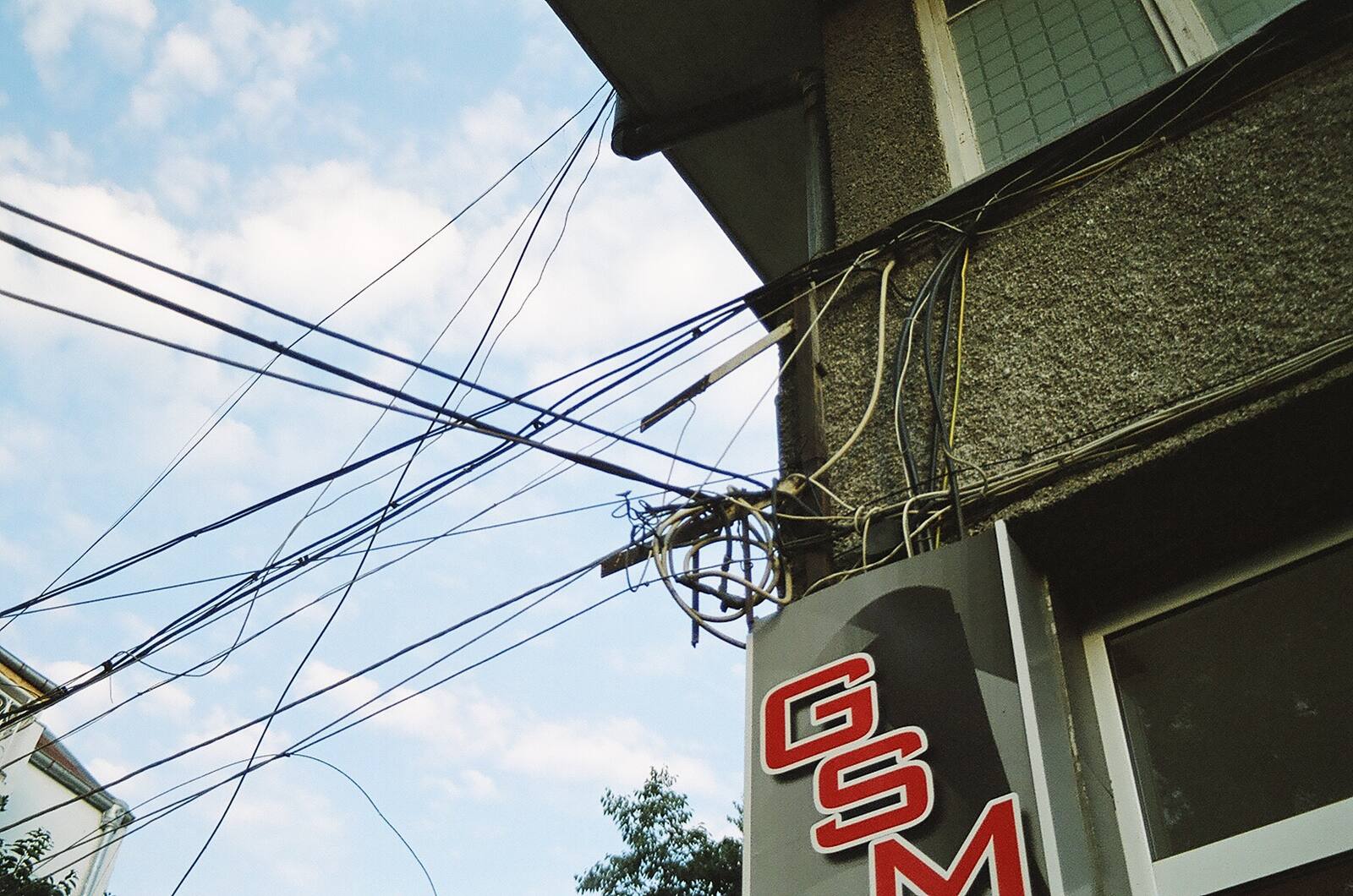
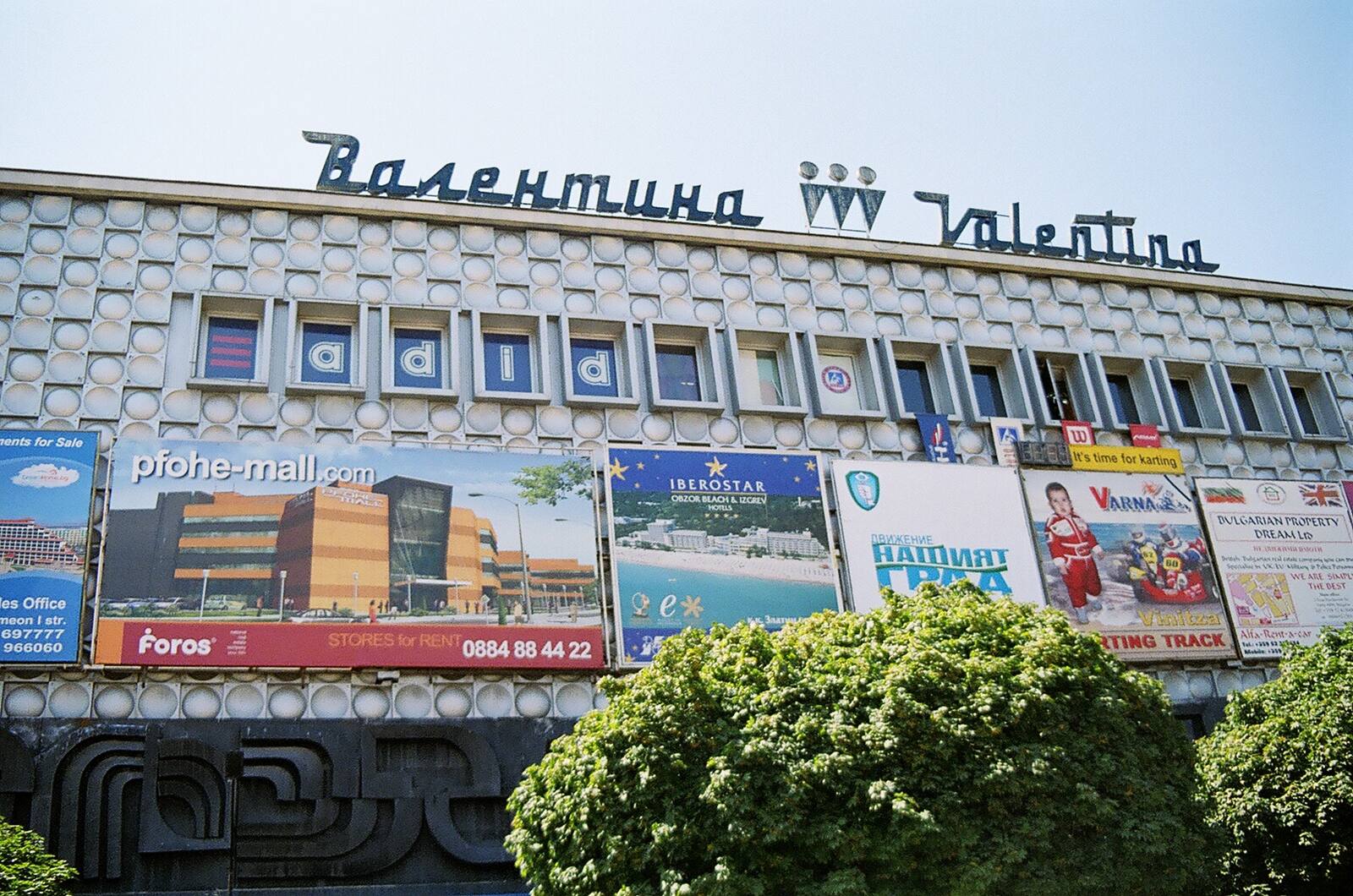
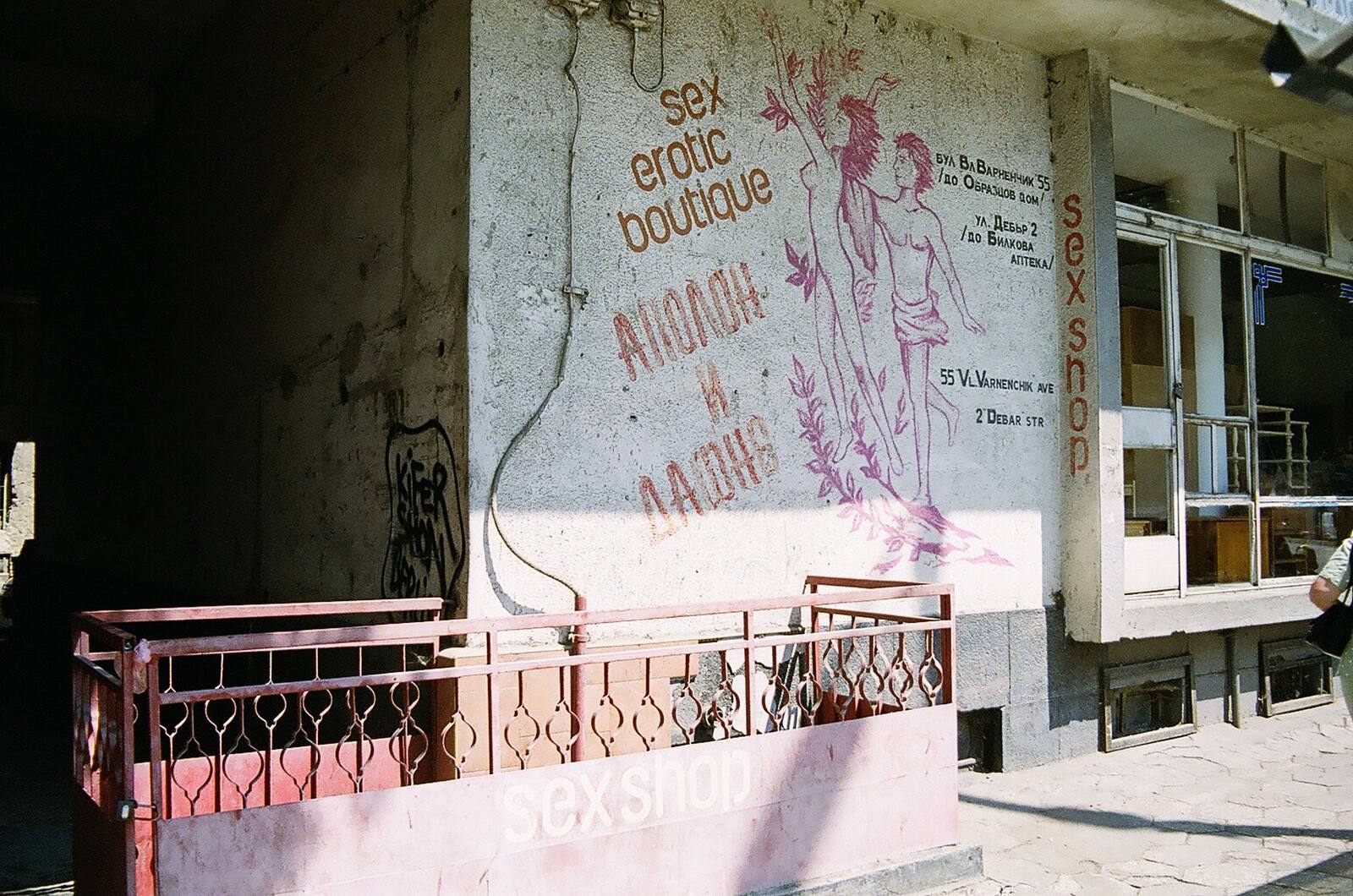
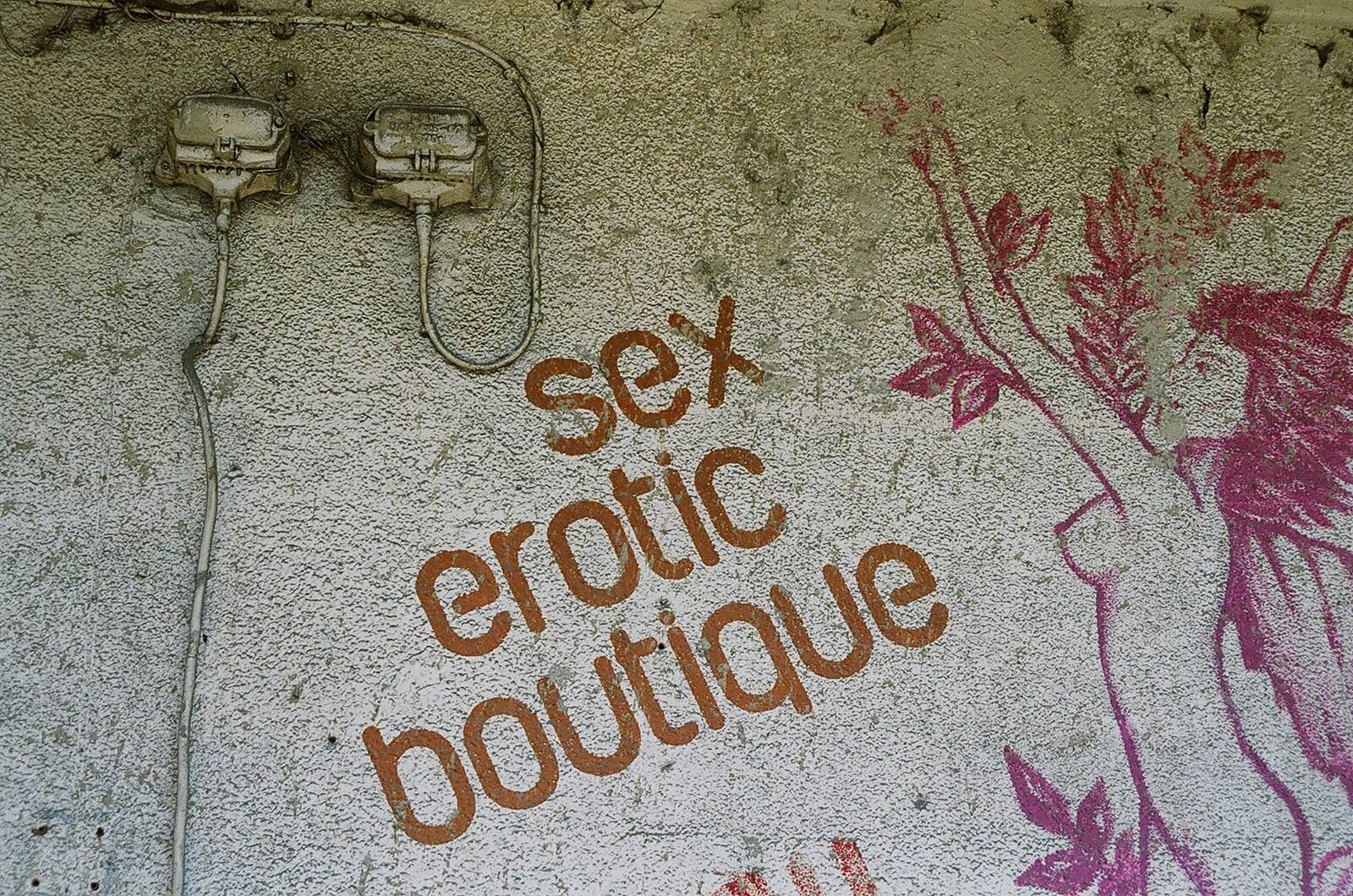
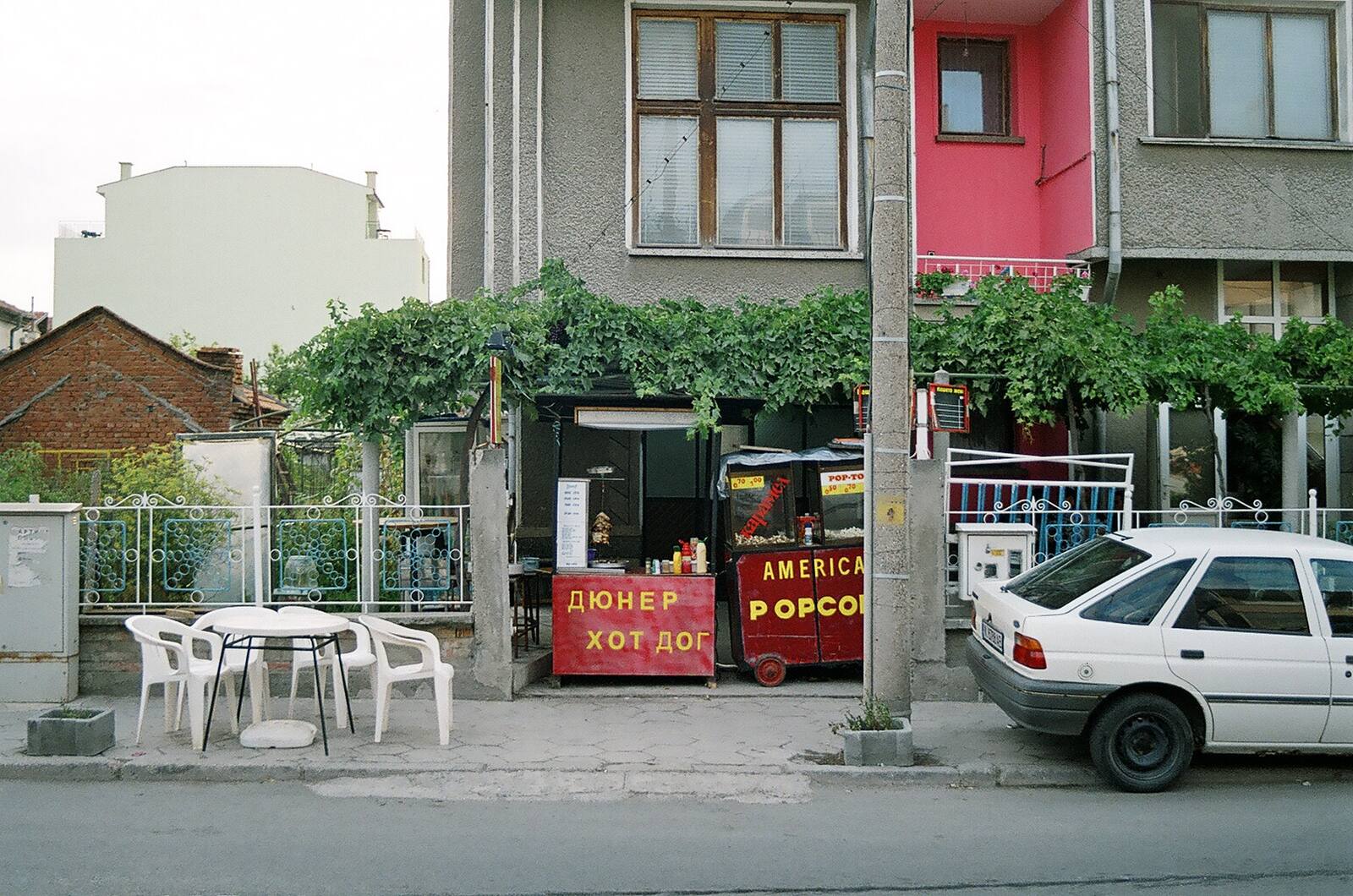
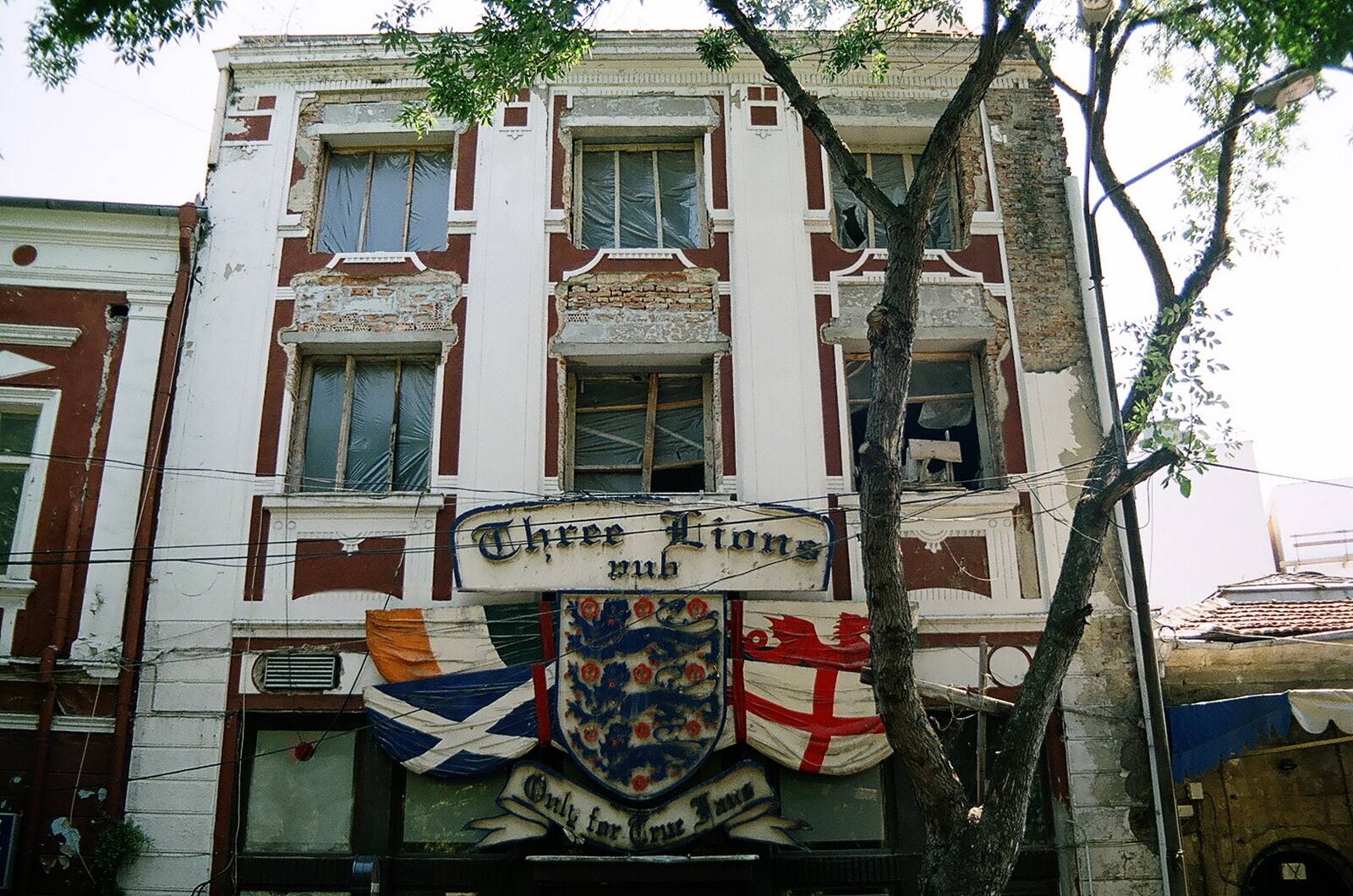
The transitional-economy high street: a homestyle diner's dying neon, GSM shops, the Valentina department store wearing billboards — and the new economy announcing itself in looping pink script.
БИТОВ · homestyle
GSM
Валентина · dept. store
бутикът
sex erotic boutique
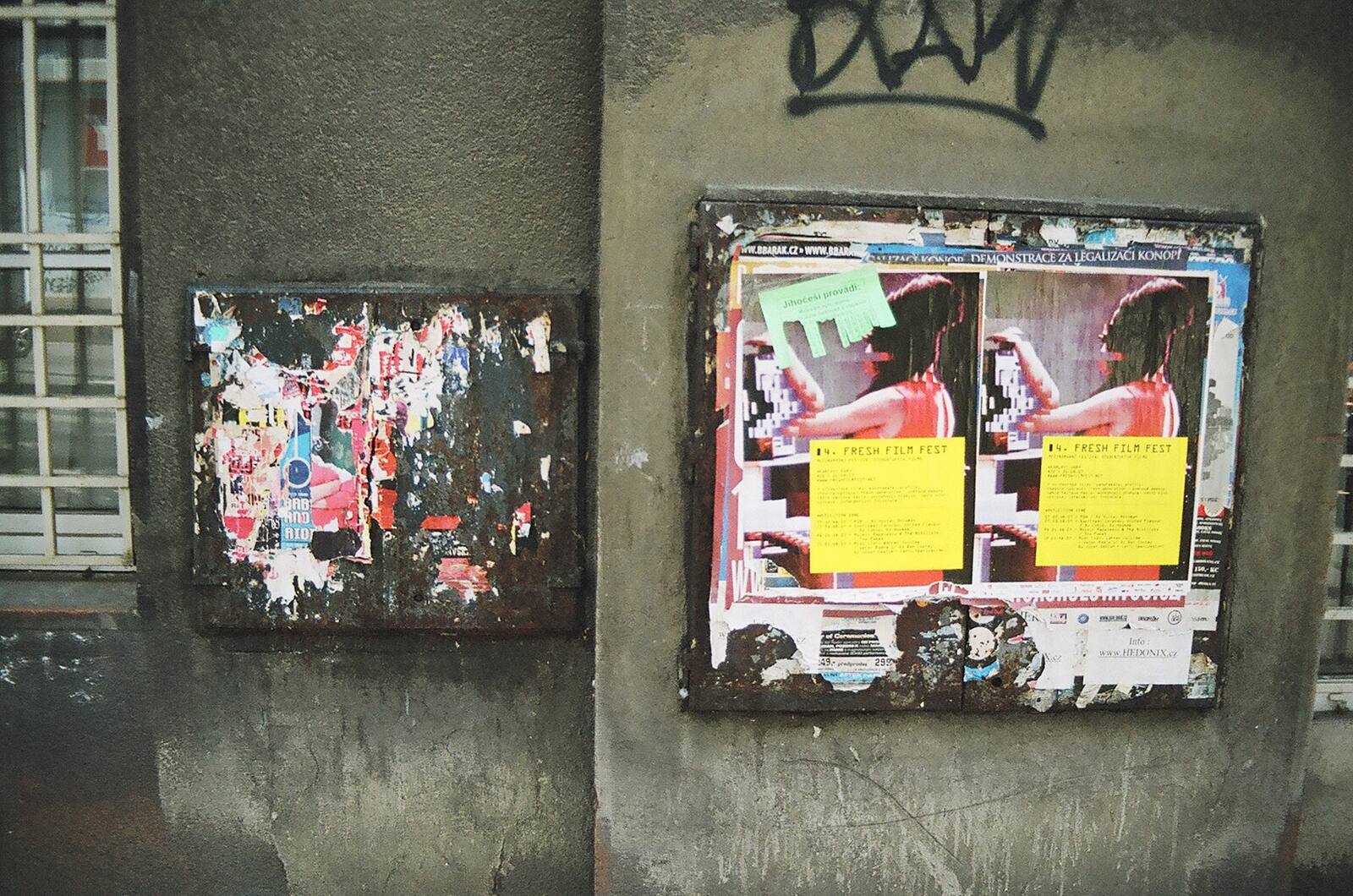
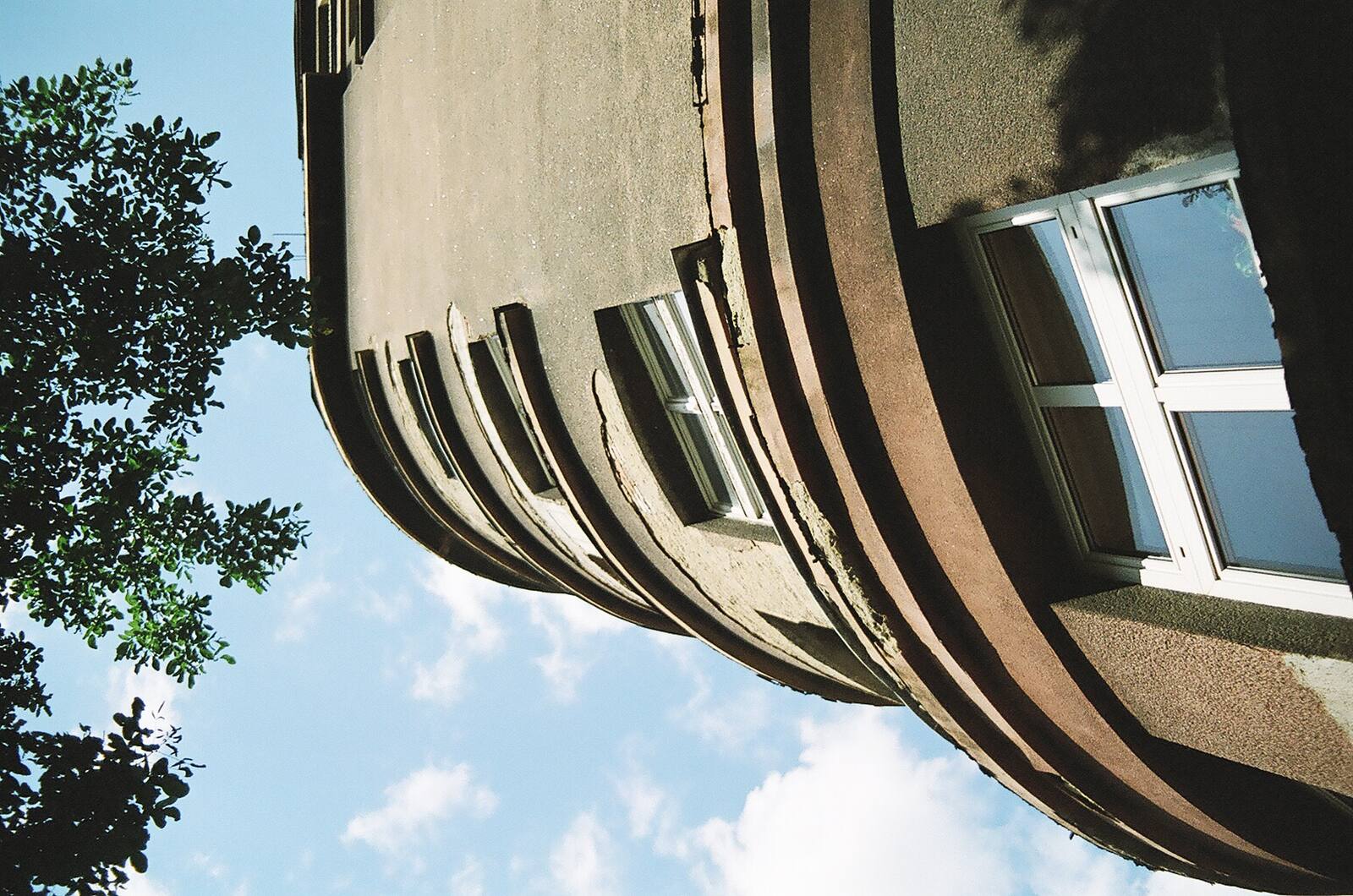
ъгълът · corner caféWall studies: poster layers going back years, curved balconies, rust streaks like pinstripes, and stencils by artists who never signed twice the same way.
палимпсест
балконите
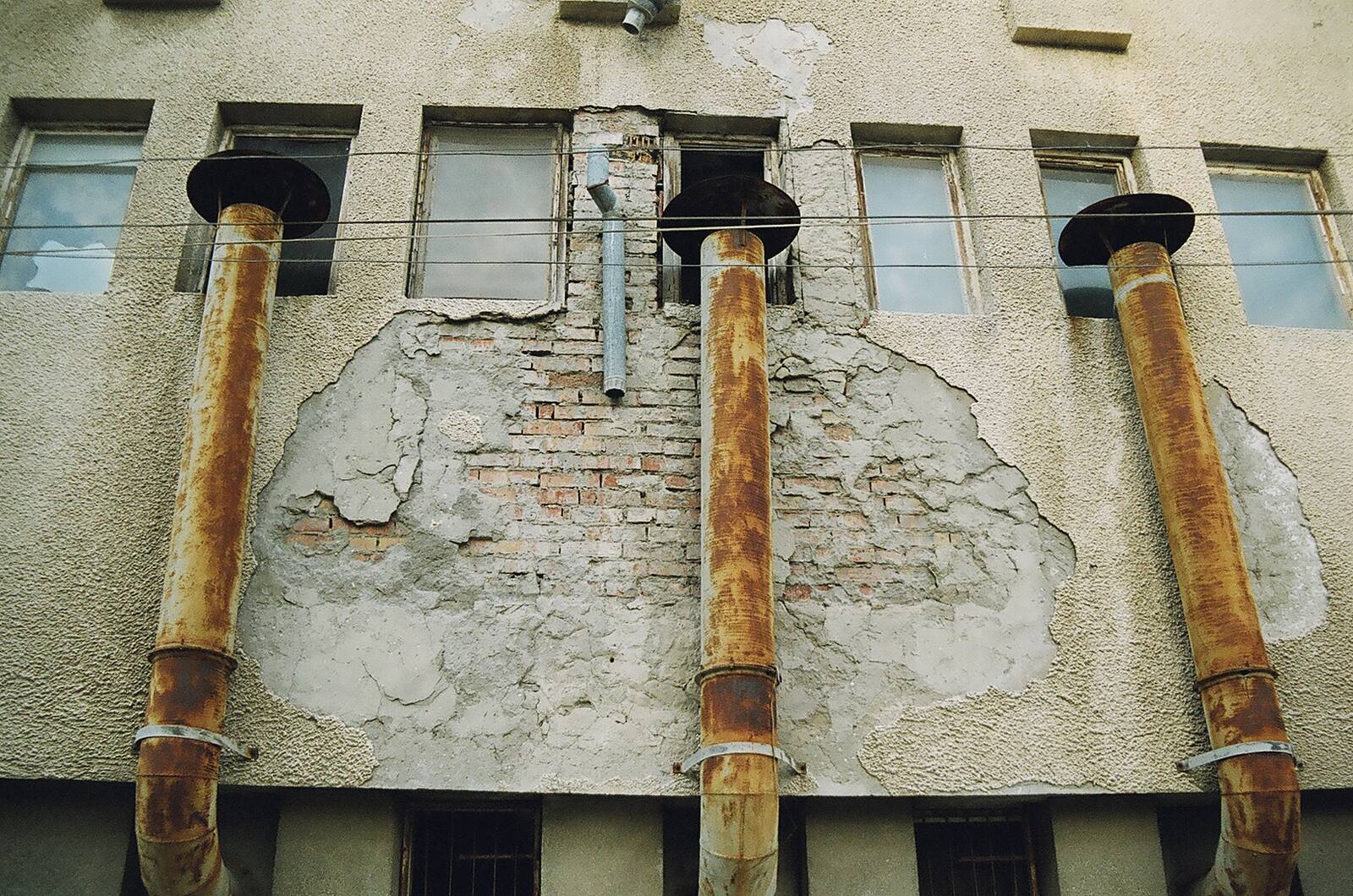
тръбите · the pipes
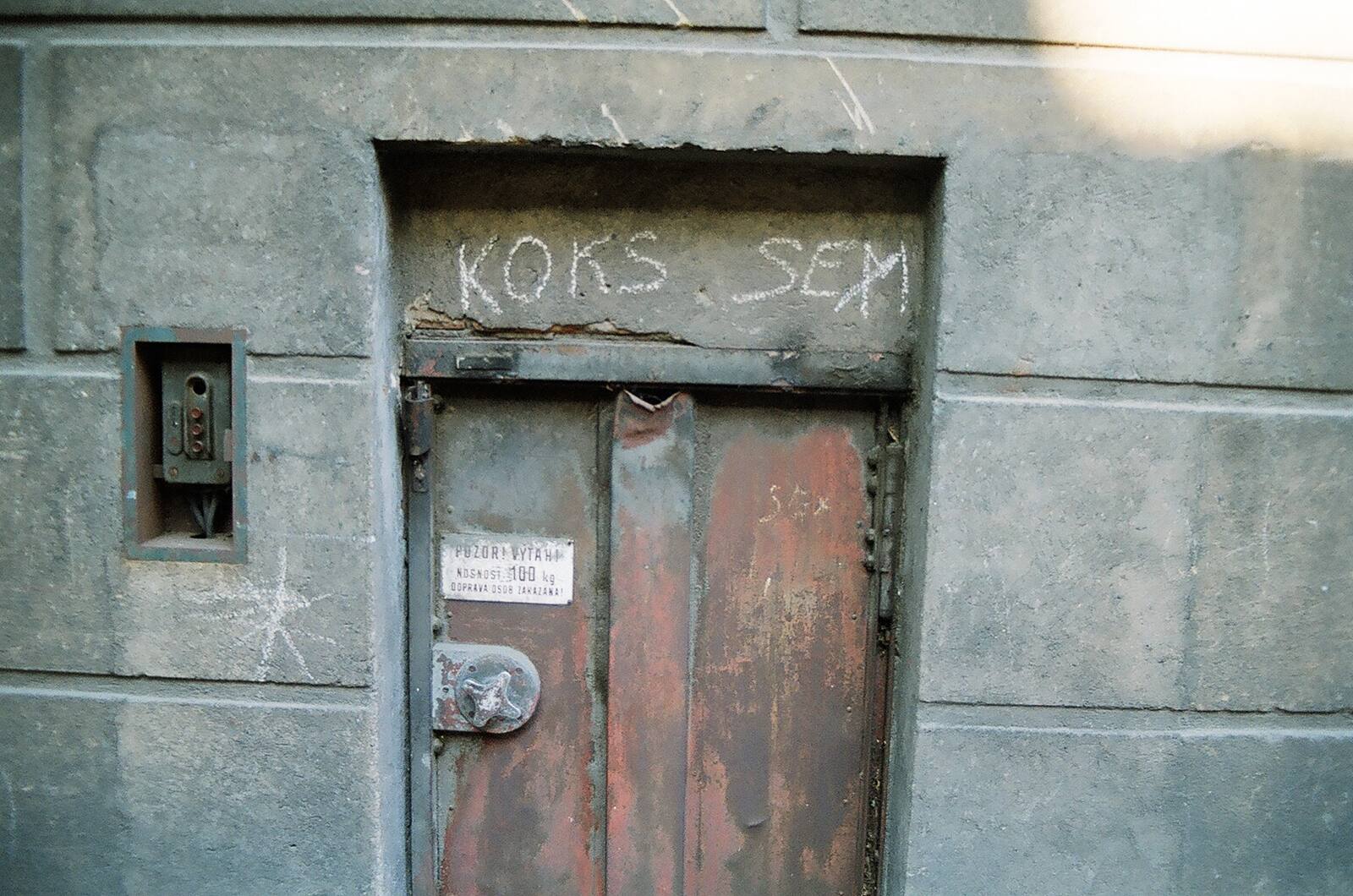
КОКС
стъпки · shoe prints
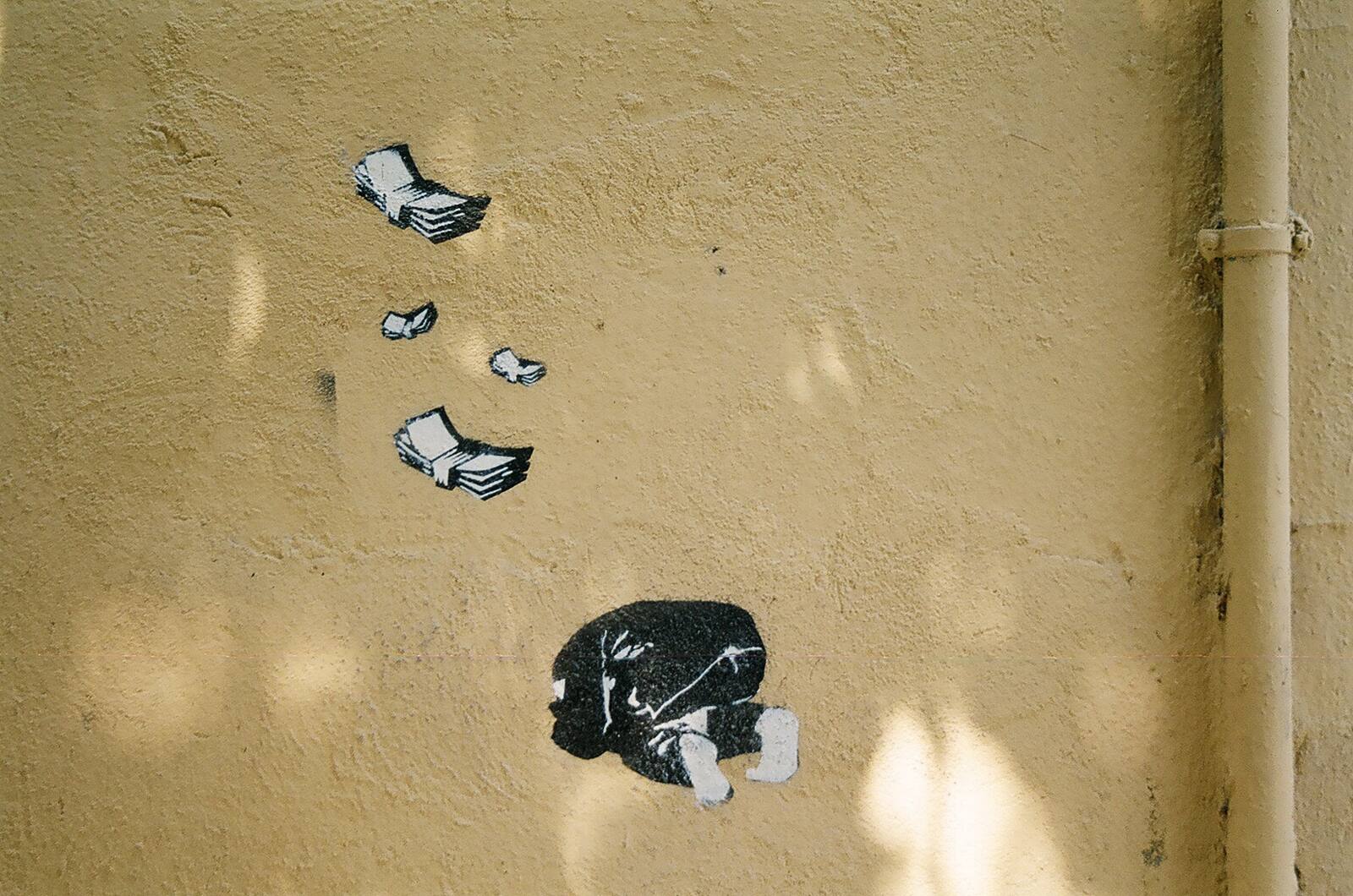
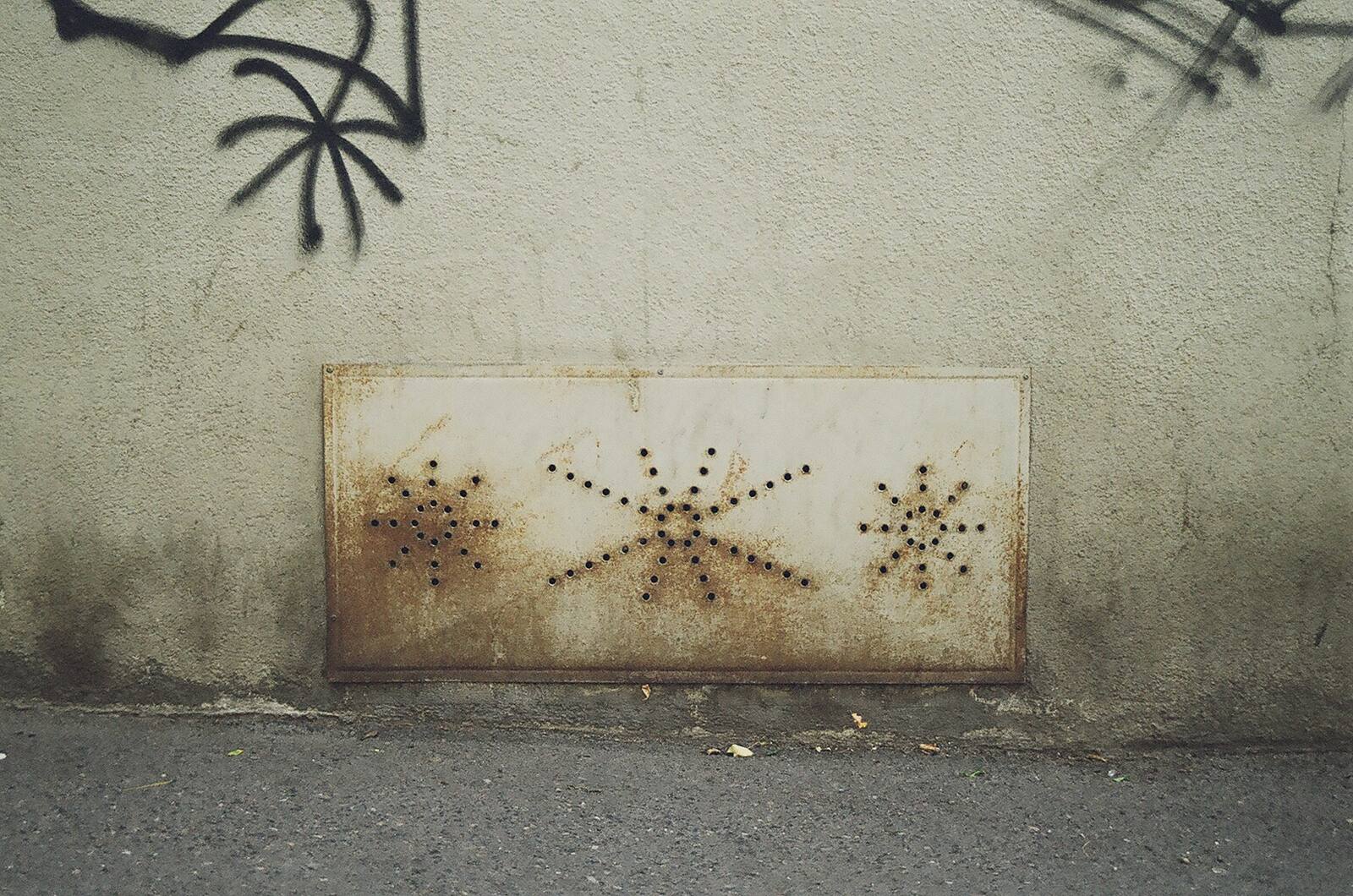
шаблон · stencil sun

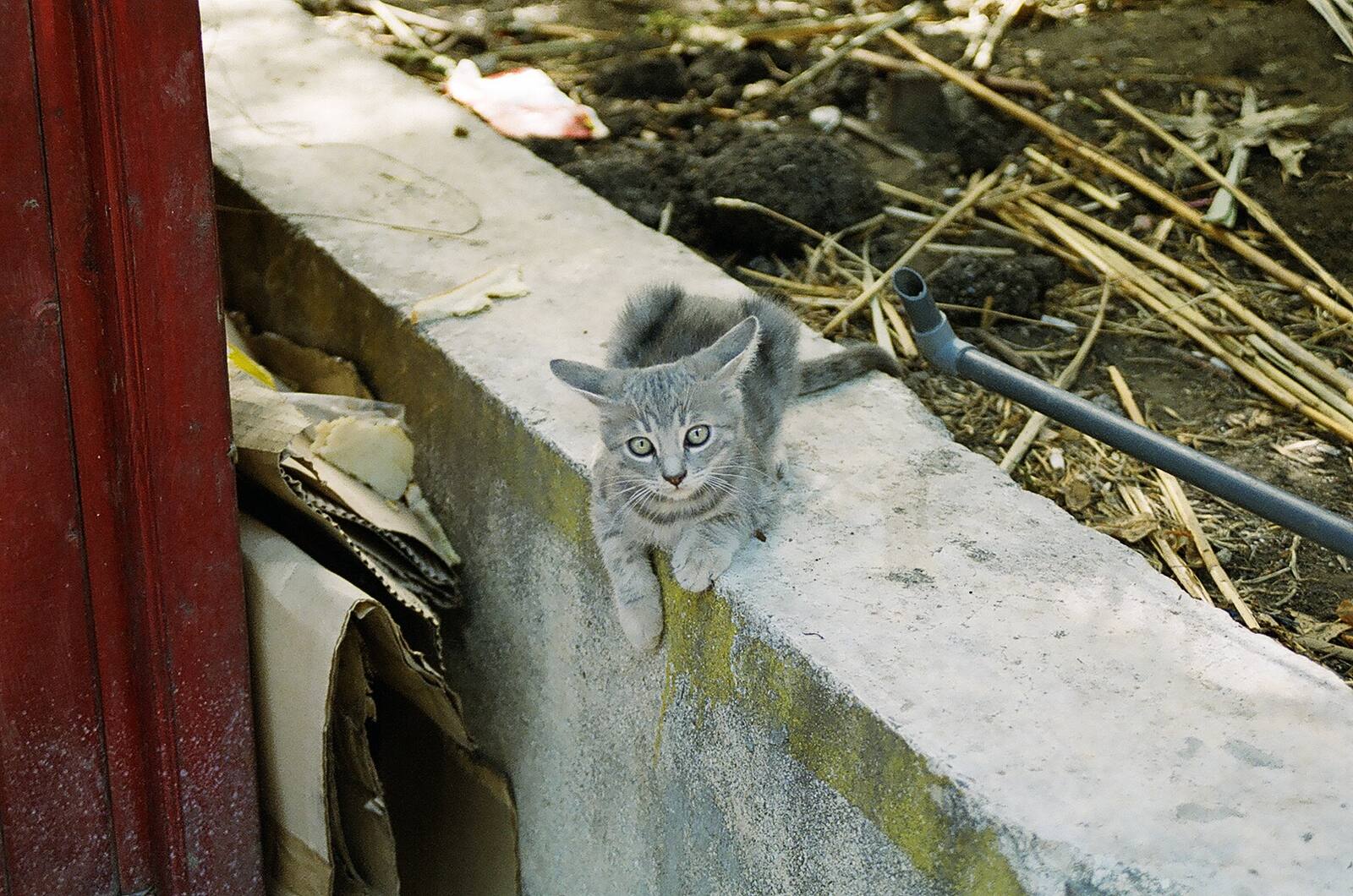
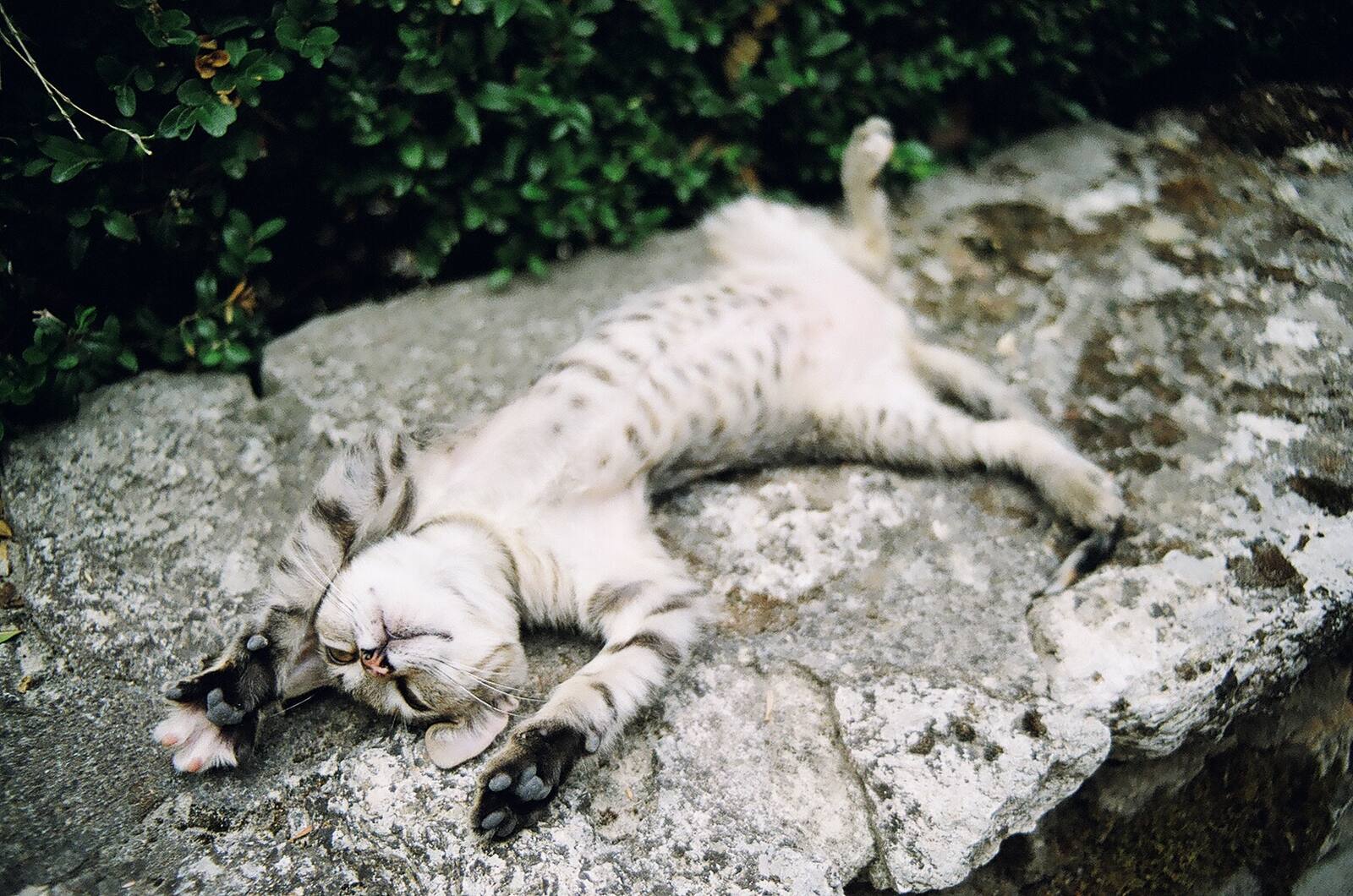
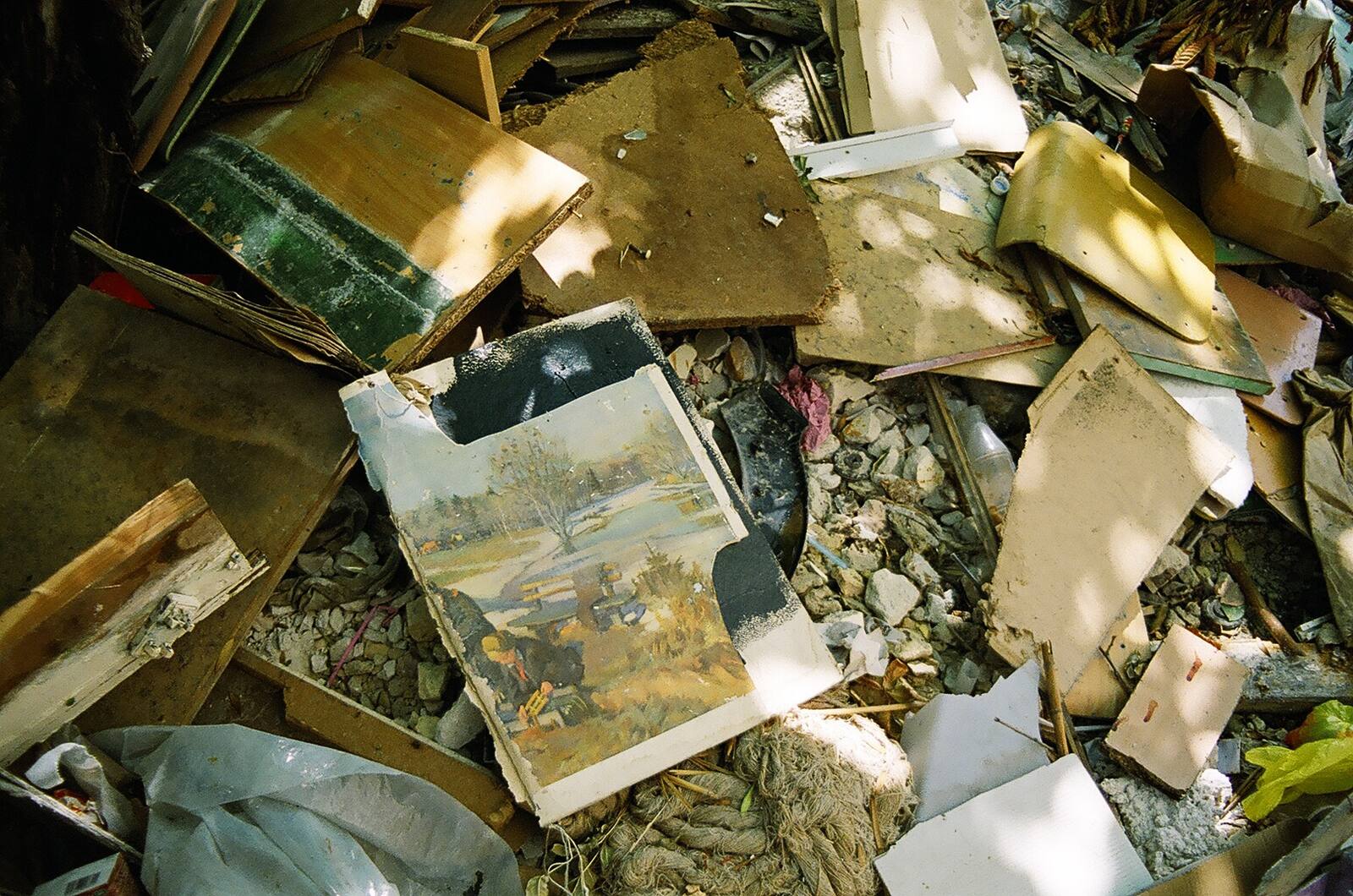
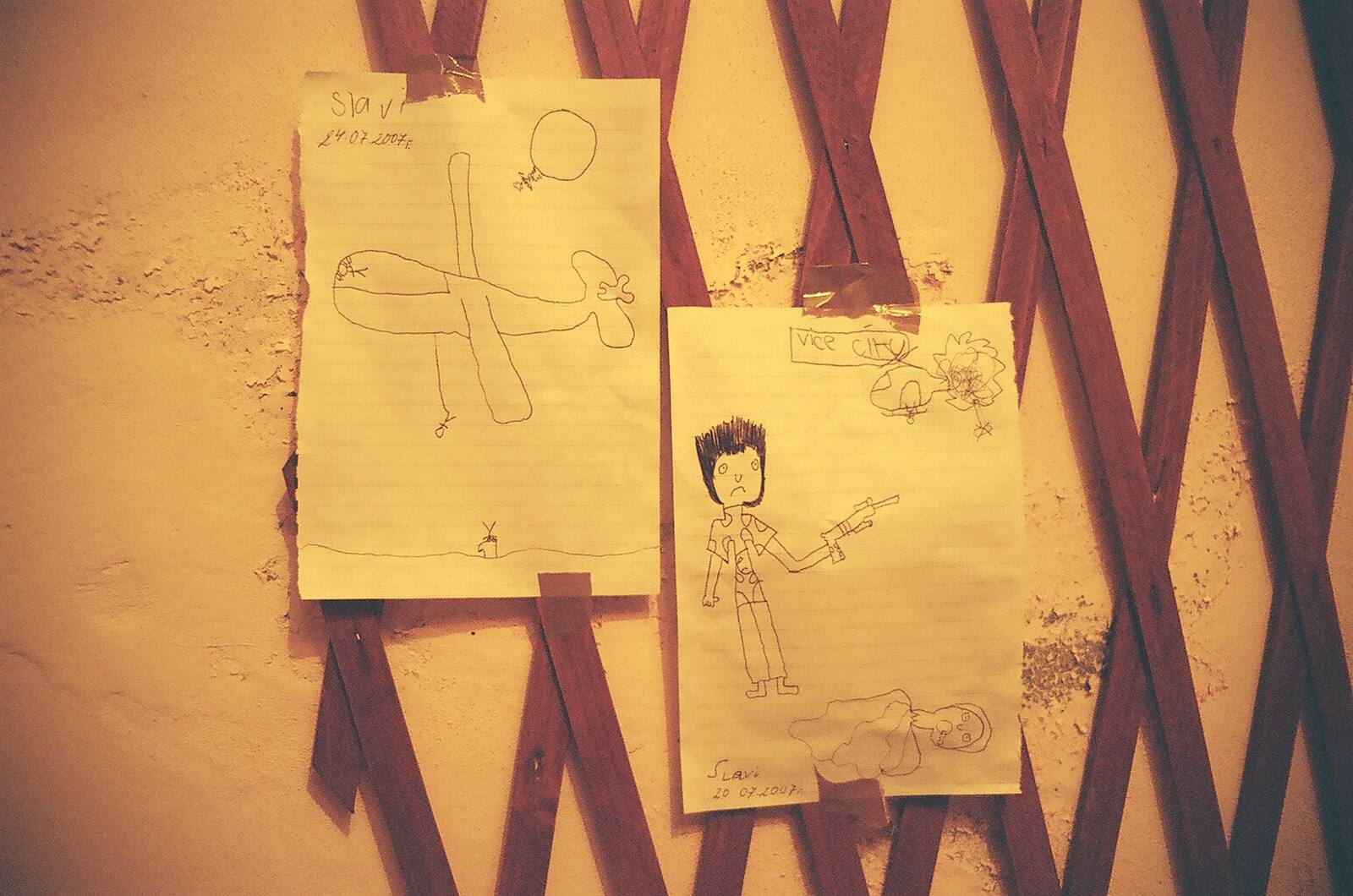
Residents: working cats on every wall, a library dumped in a park, and children's drawings pinned to a lattice — the city keeps its own archives.
котката
следобеден сън
изхвърлените книги
детските рисунки
паякът · the spider
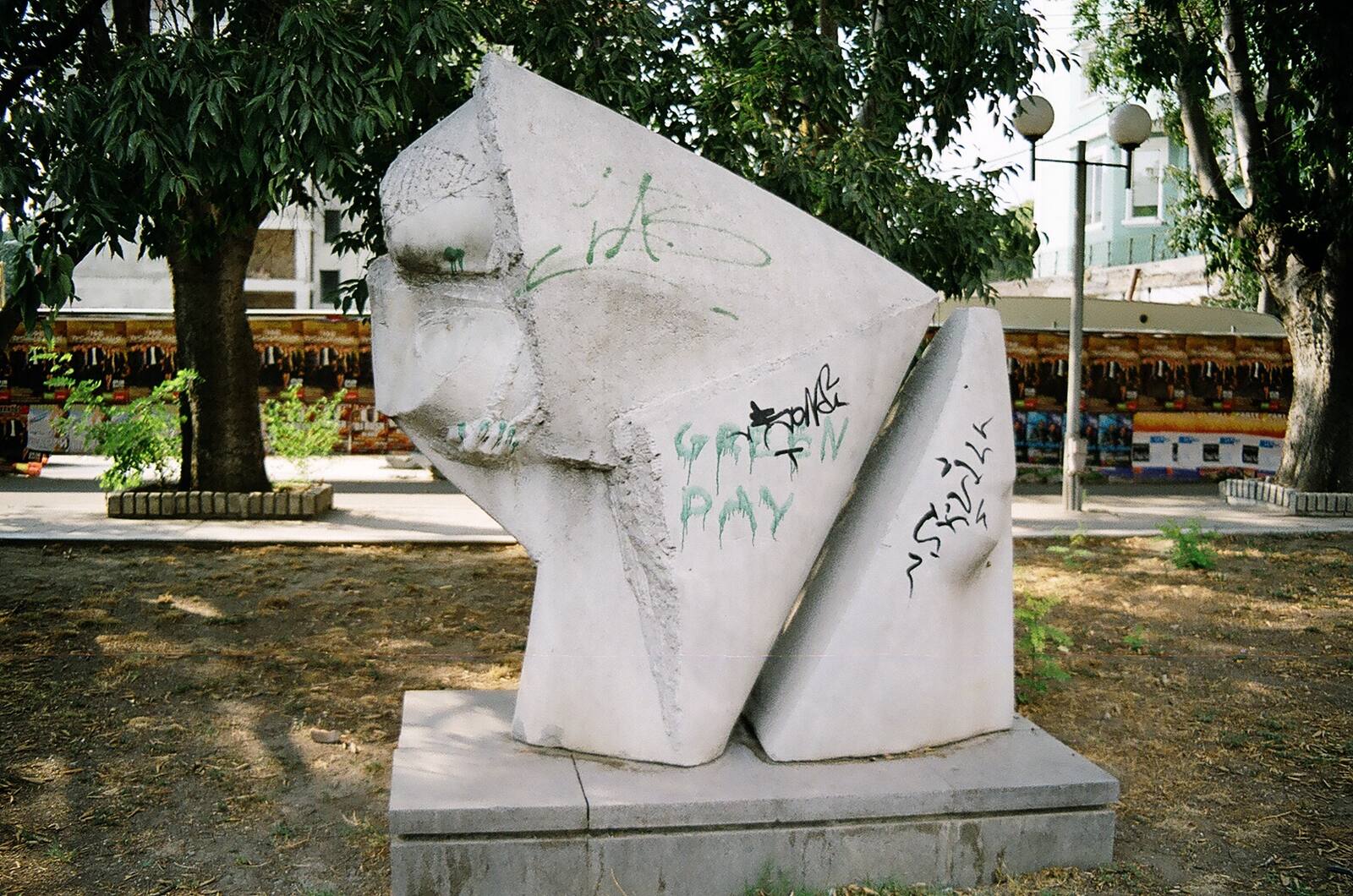
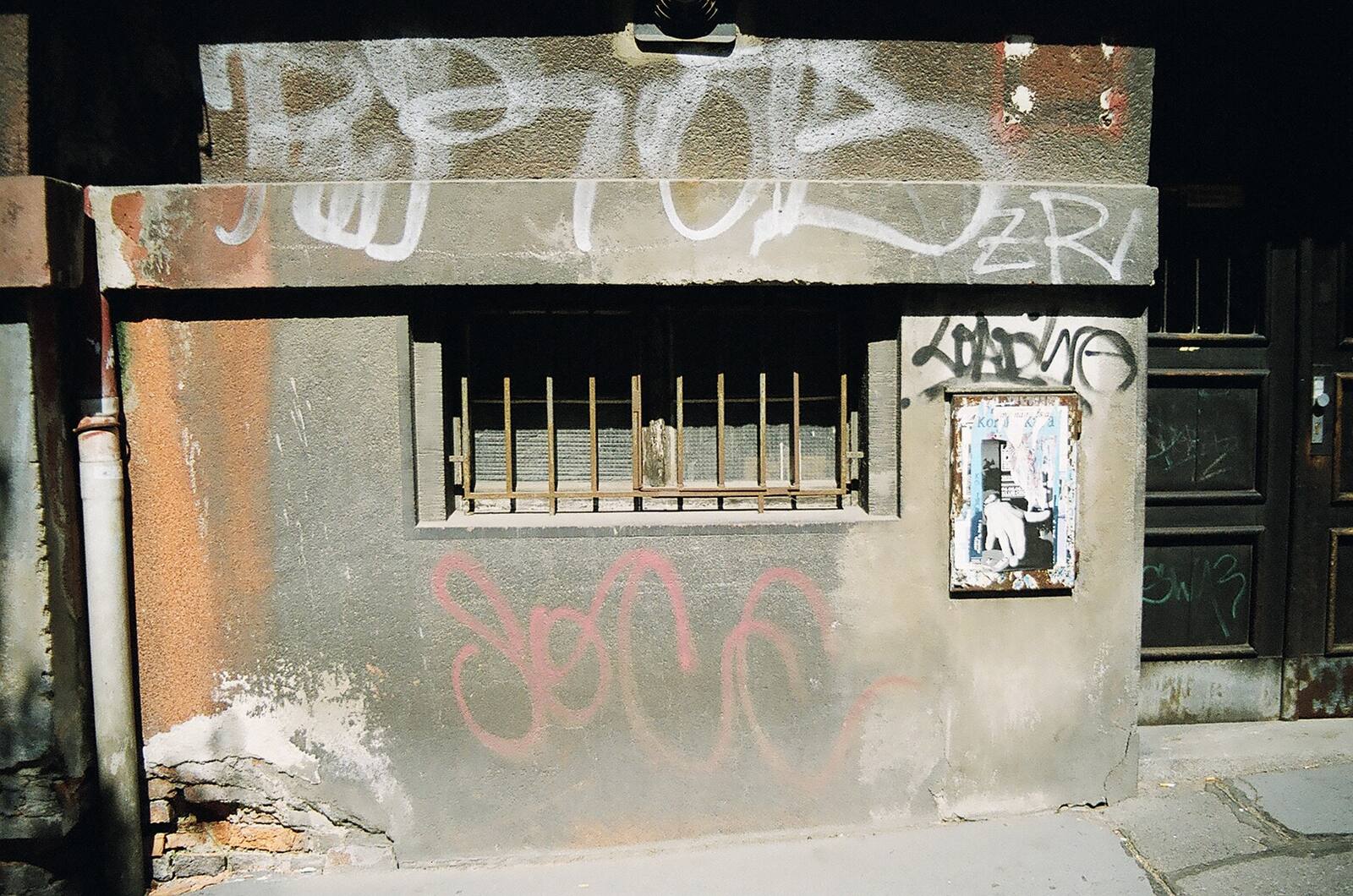
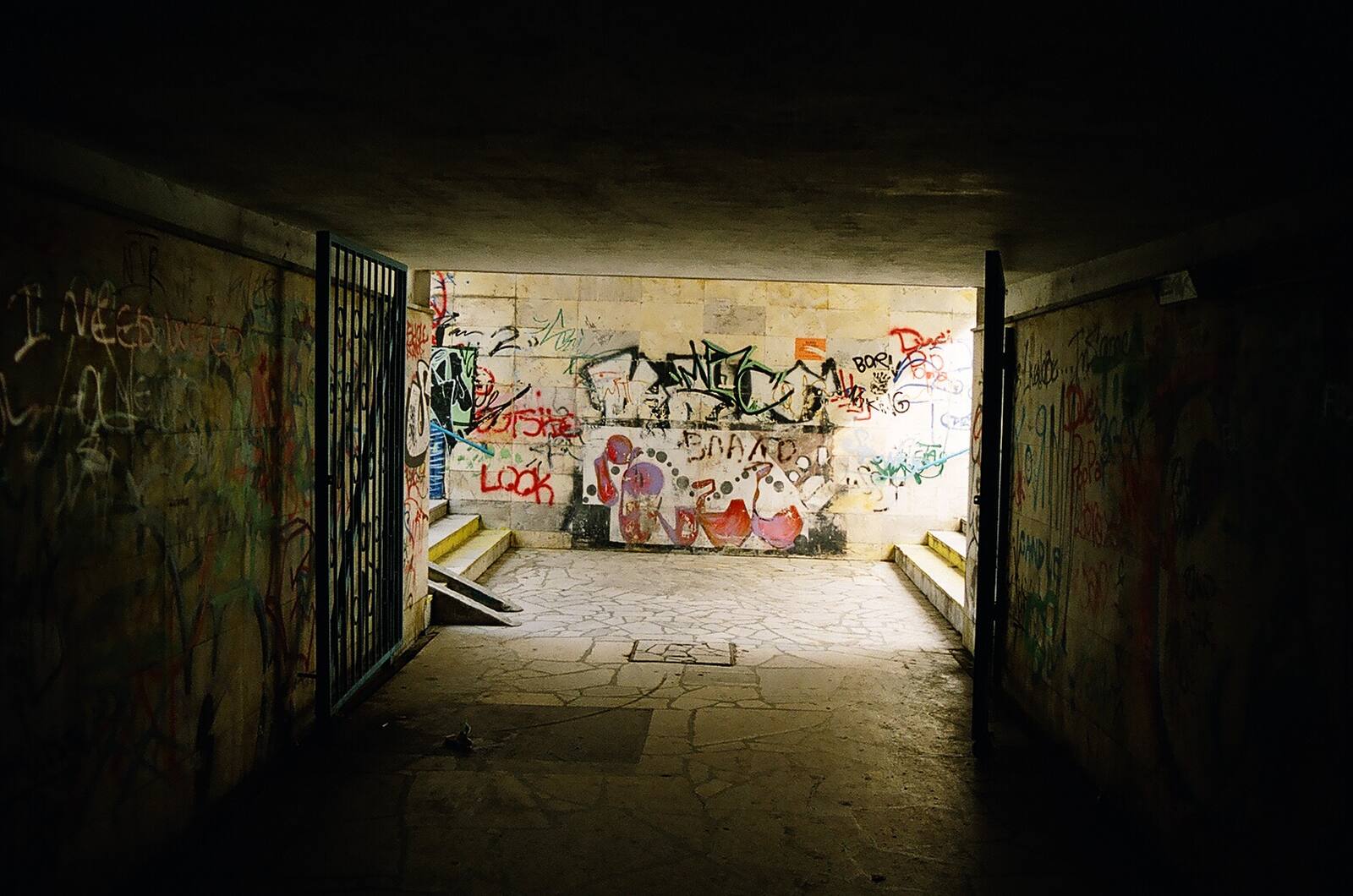
скулптурата UN+PAYThe graffiti layer — every surface negotiable, every underpass a gallery with poor lighting.
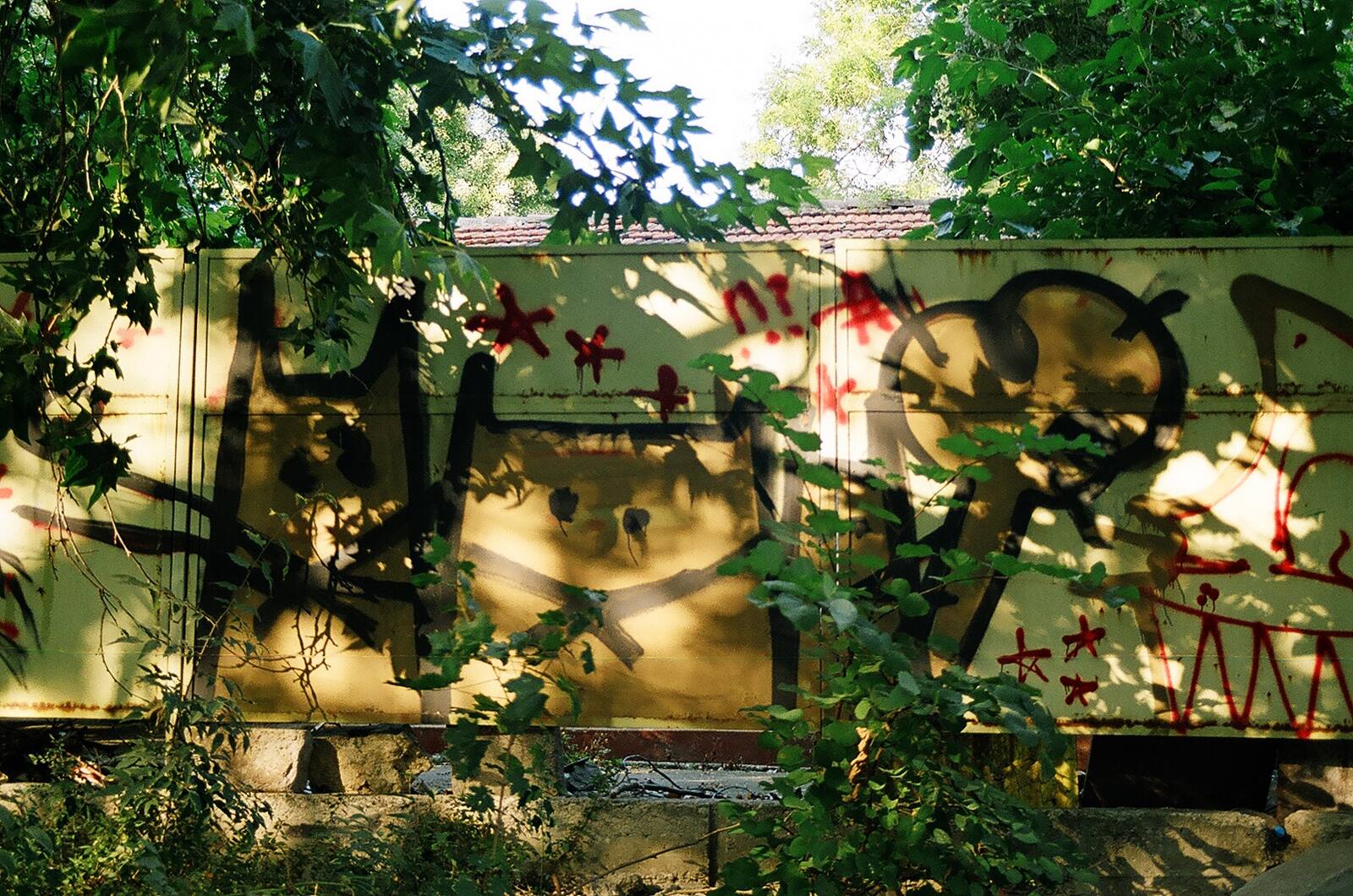
зеленият зид
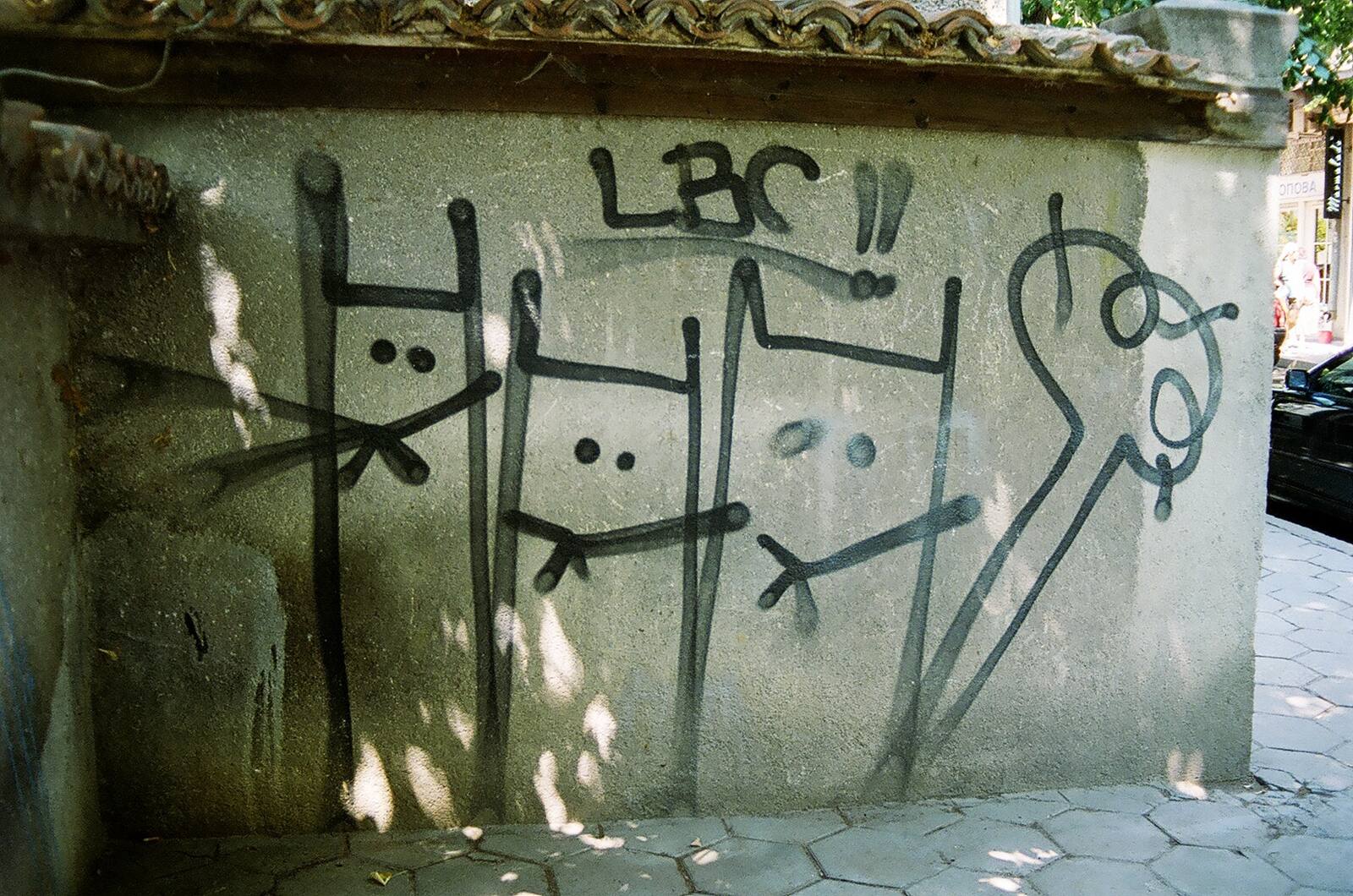
LBC
павилионът
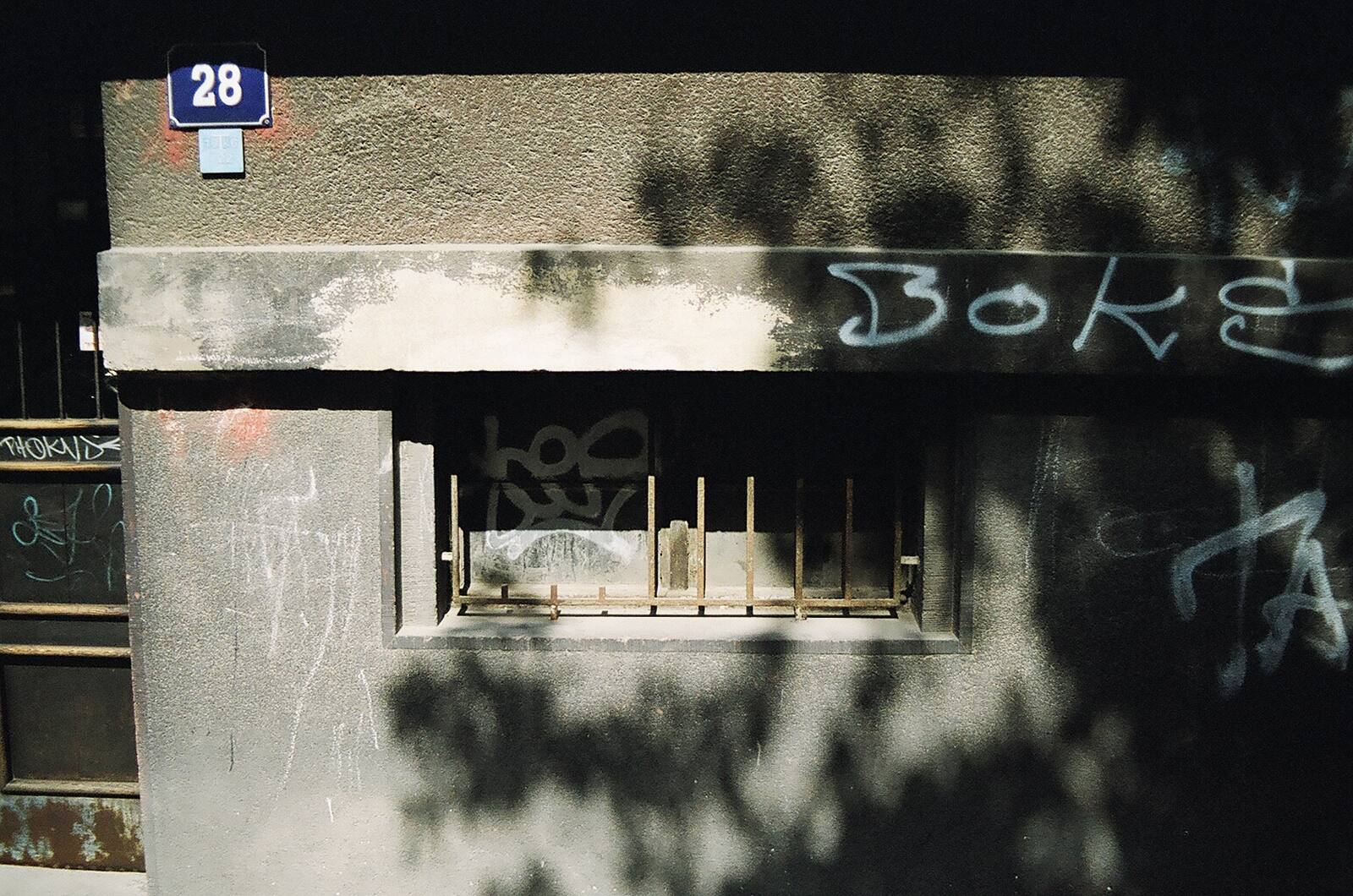
БОКЕ
подлезът
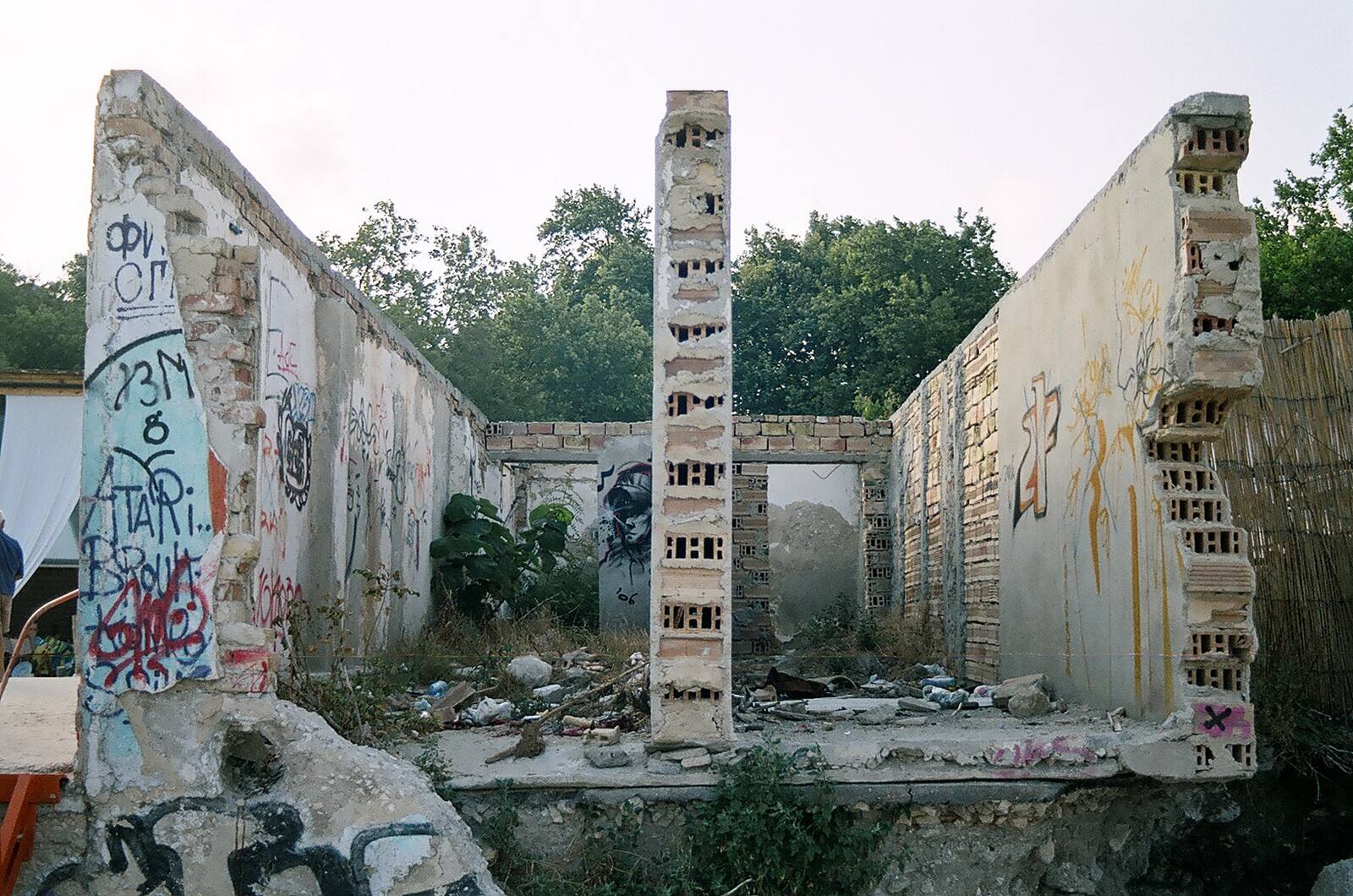
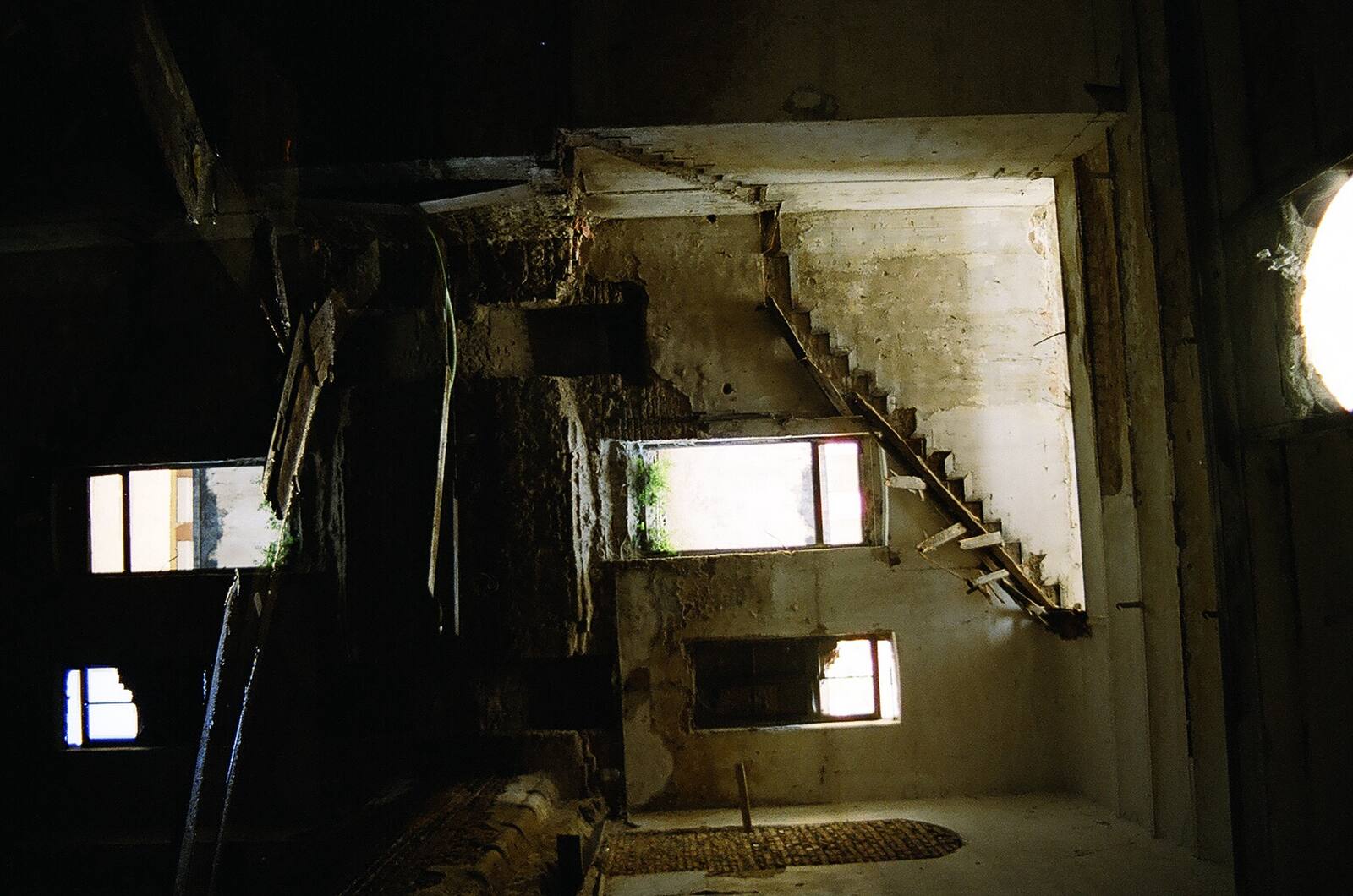
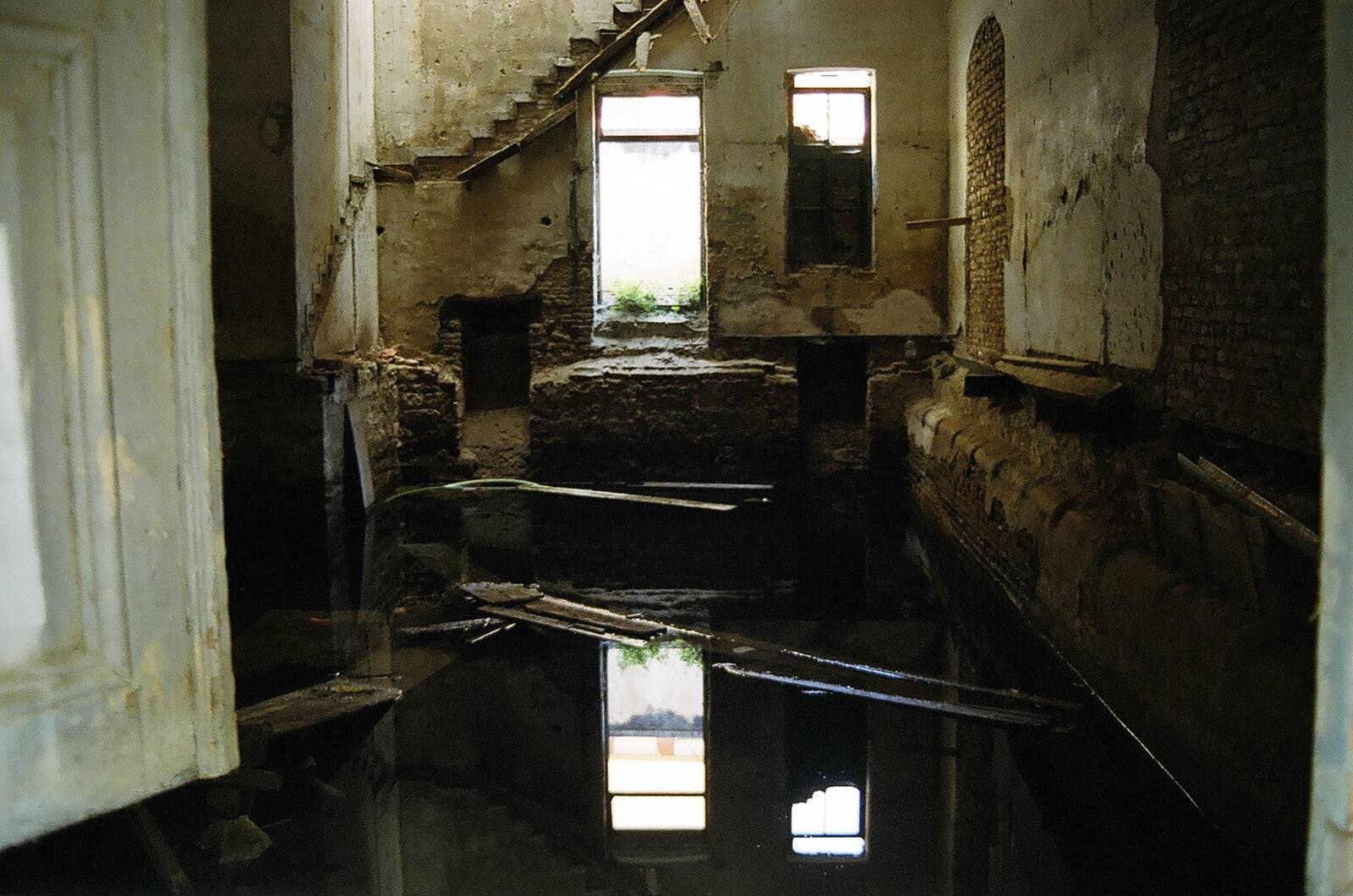
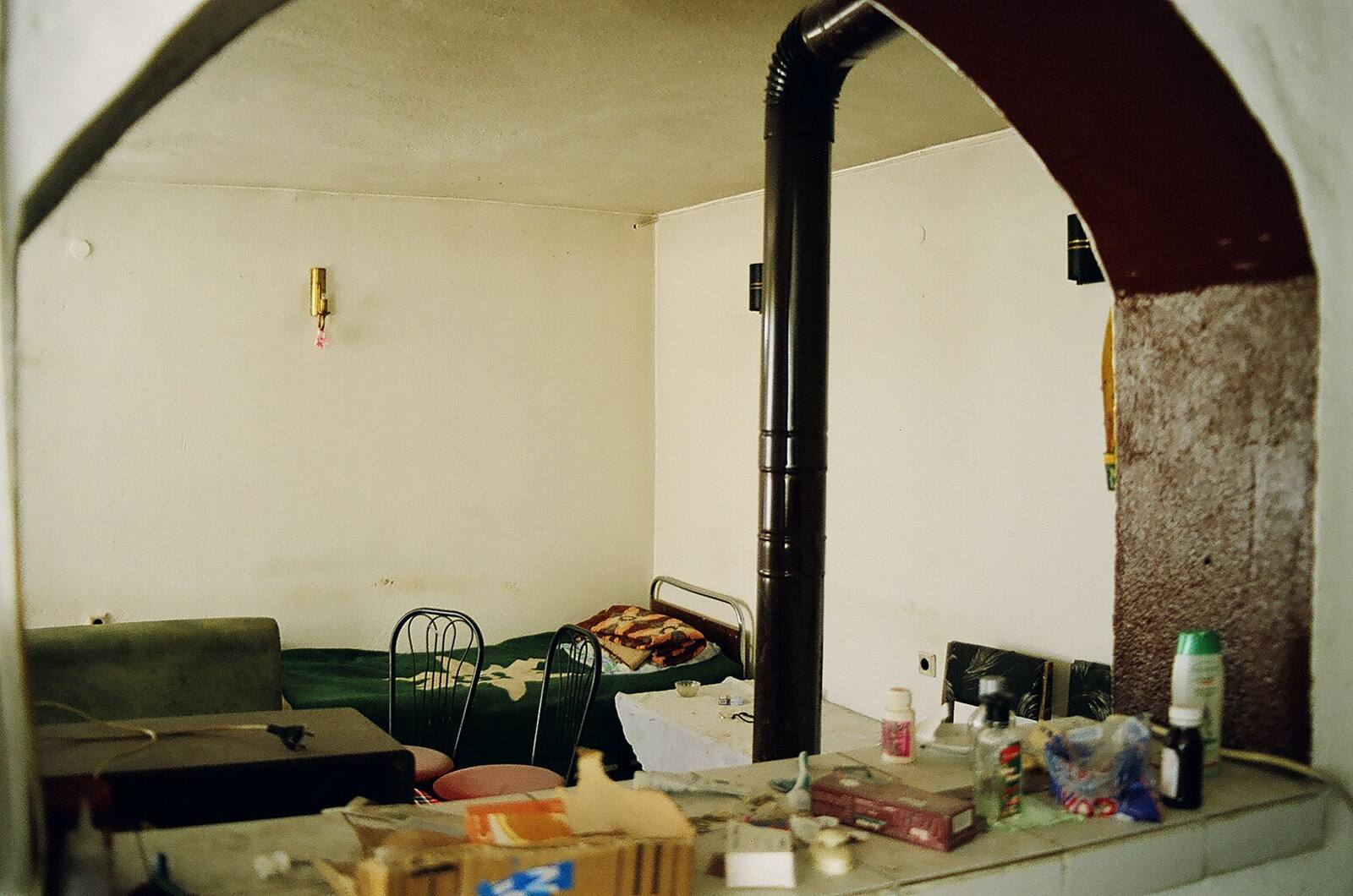
звездитеAnd the beautiful ruins — flooded ballrooms, staircases to nothing, a squat with the kettle still out. Nothing here is demolished; it is simply left to think about what it did.
залата · the ruined hall
стълбите
наводнението
скуотът
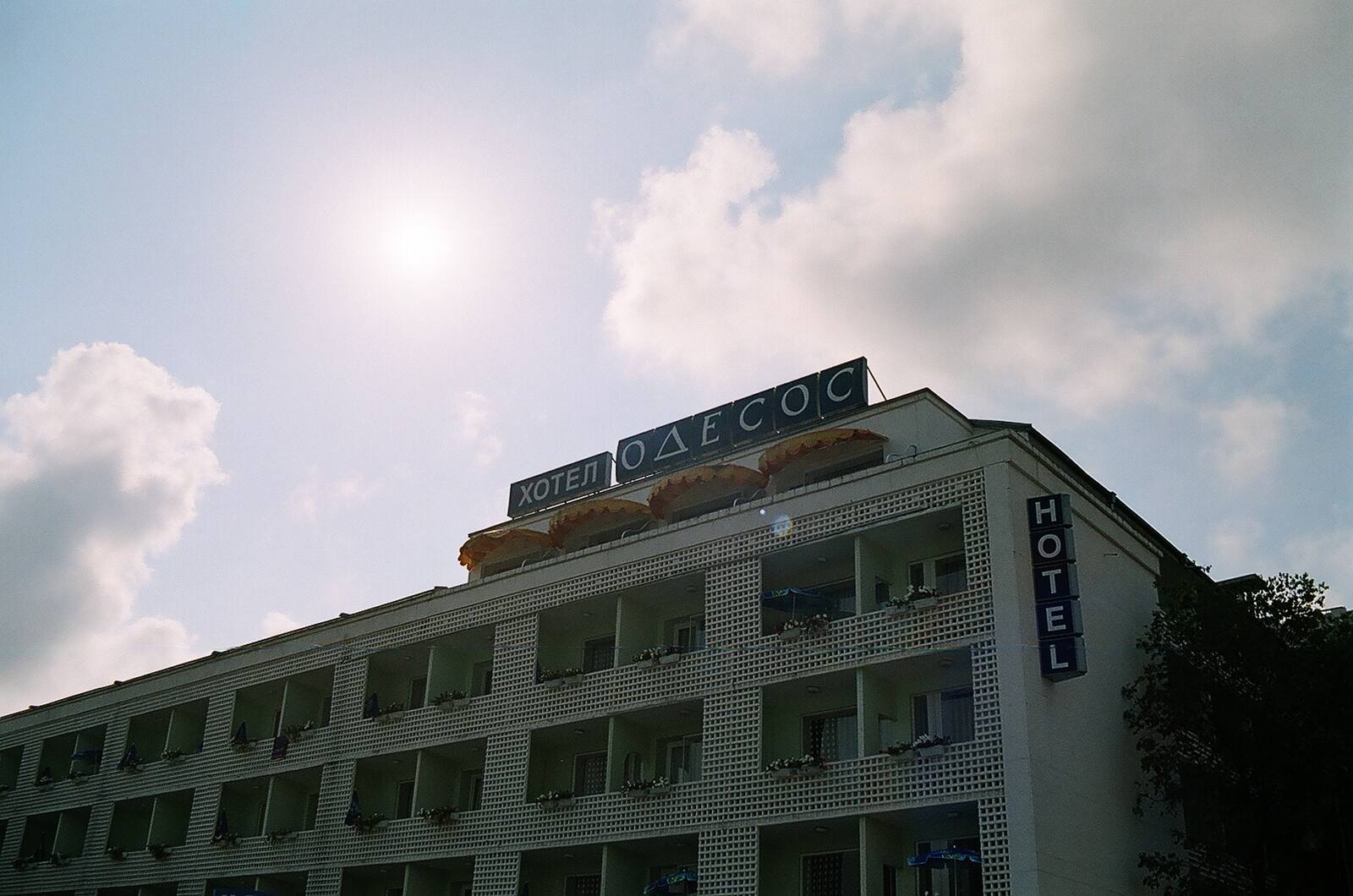
хотел ФАРОС
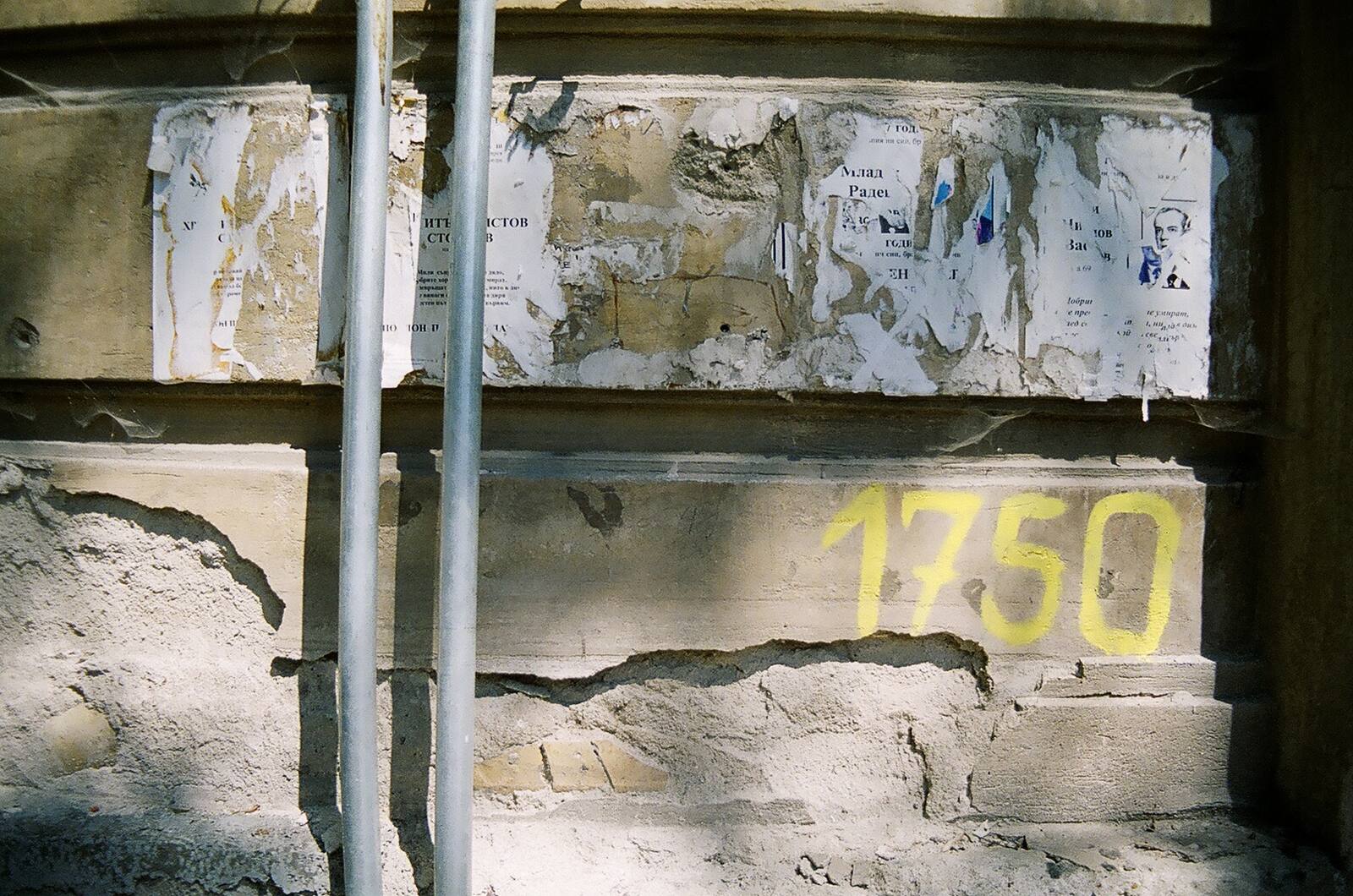
1750The Sea Garden

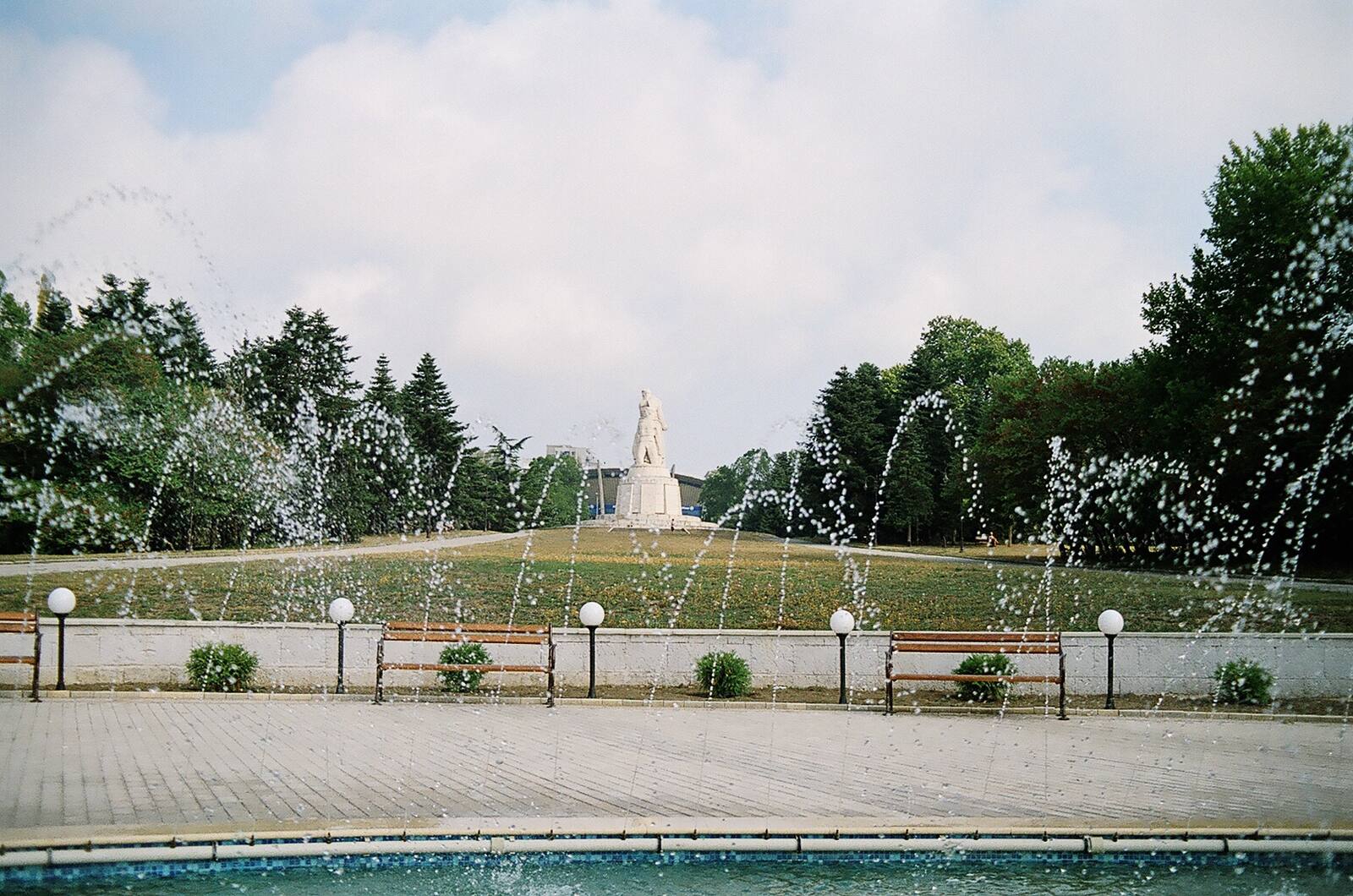
The fountains run for nobody at seven —
the monuments approve.
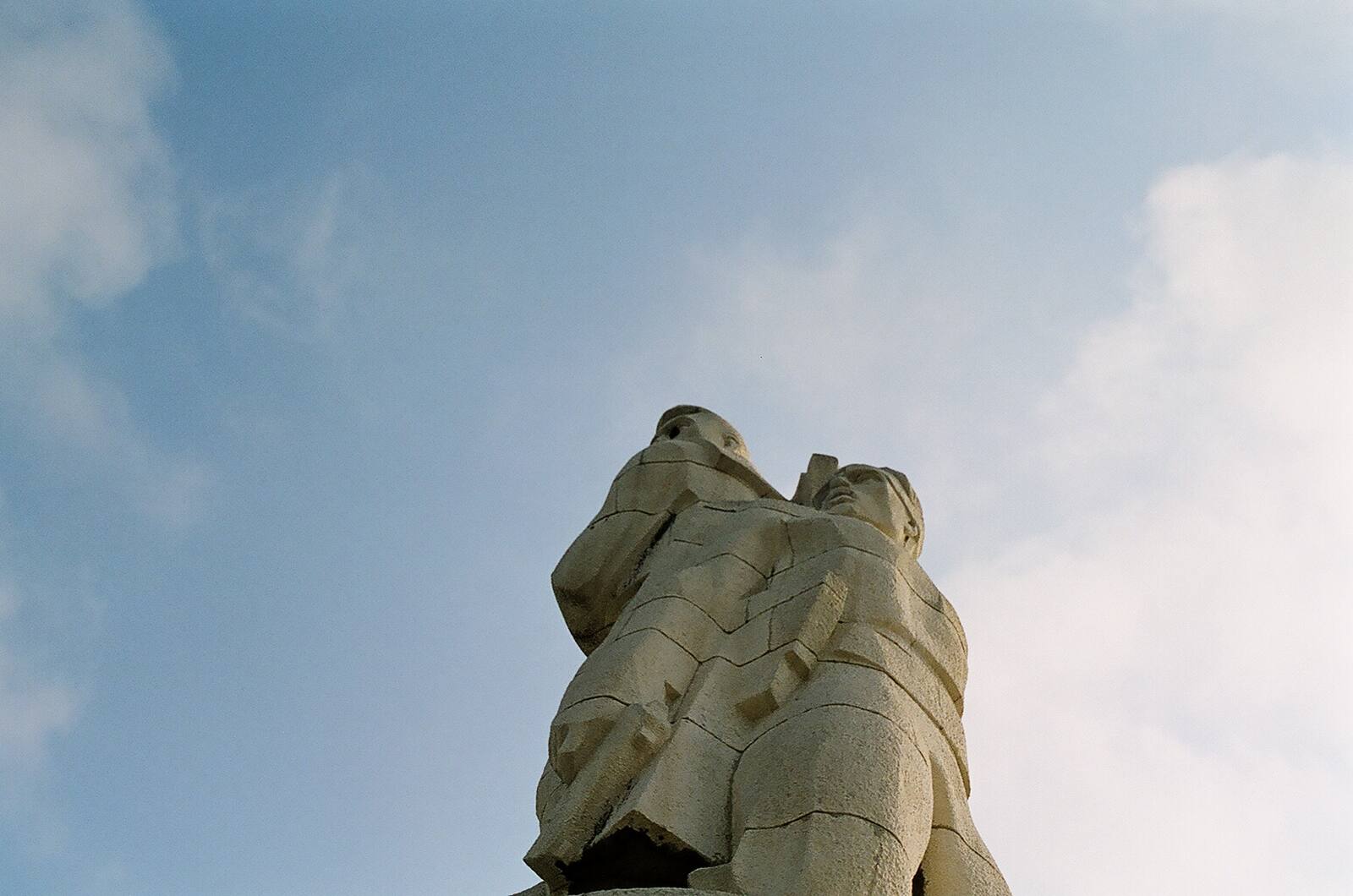
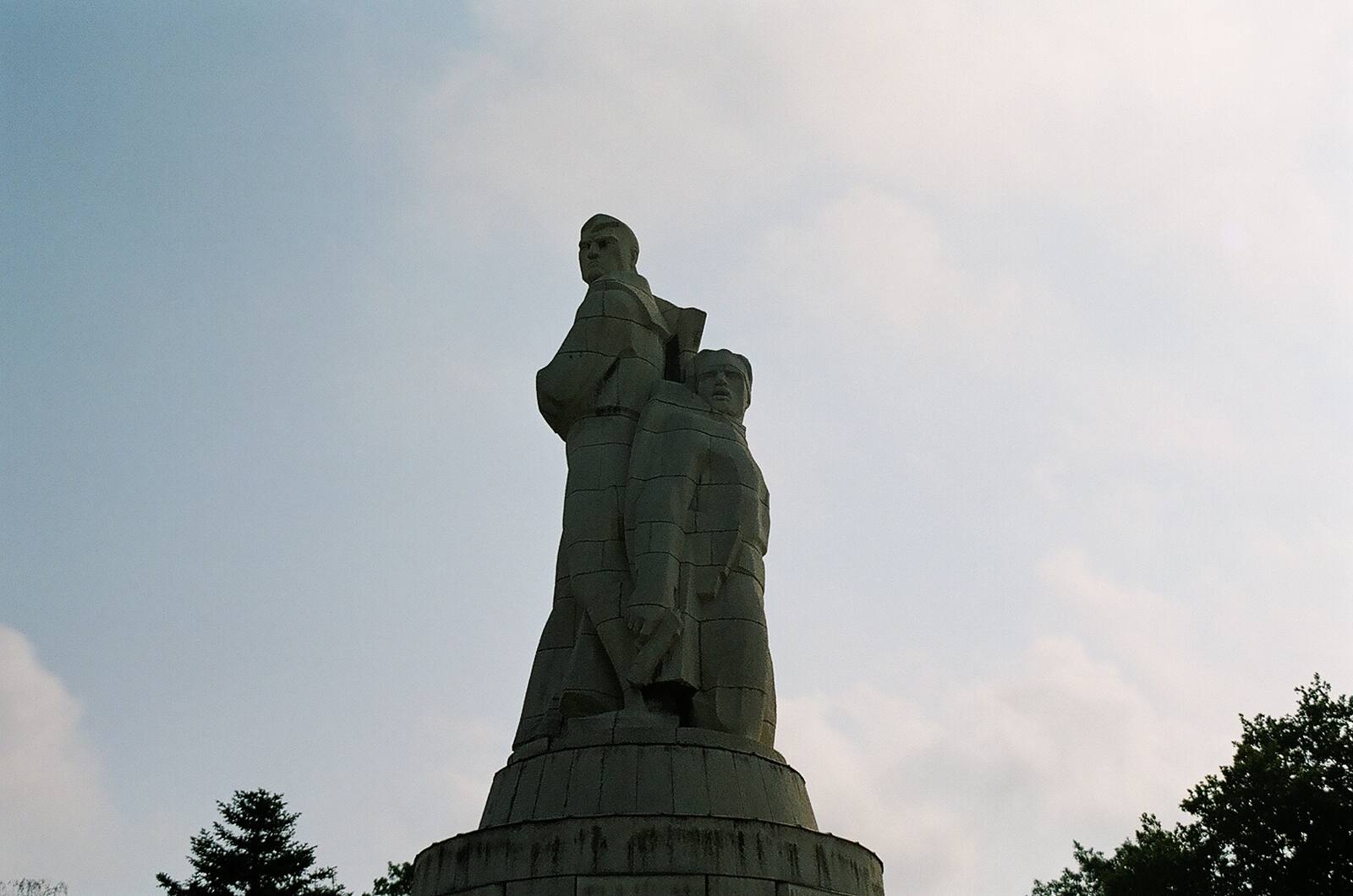
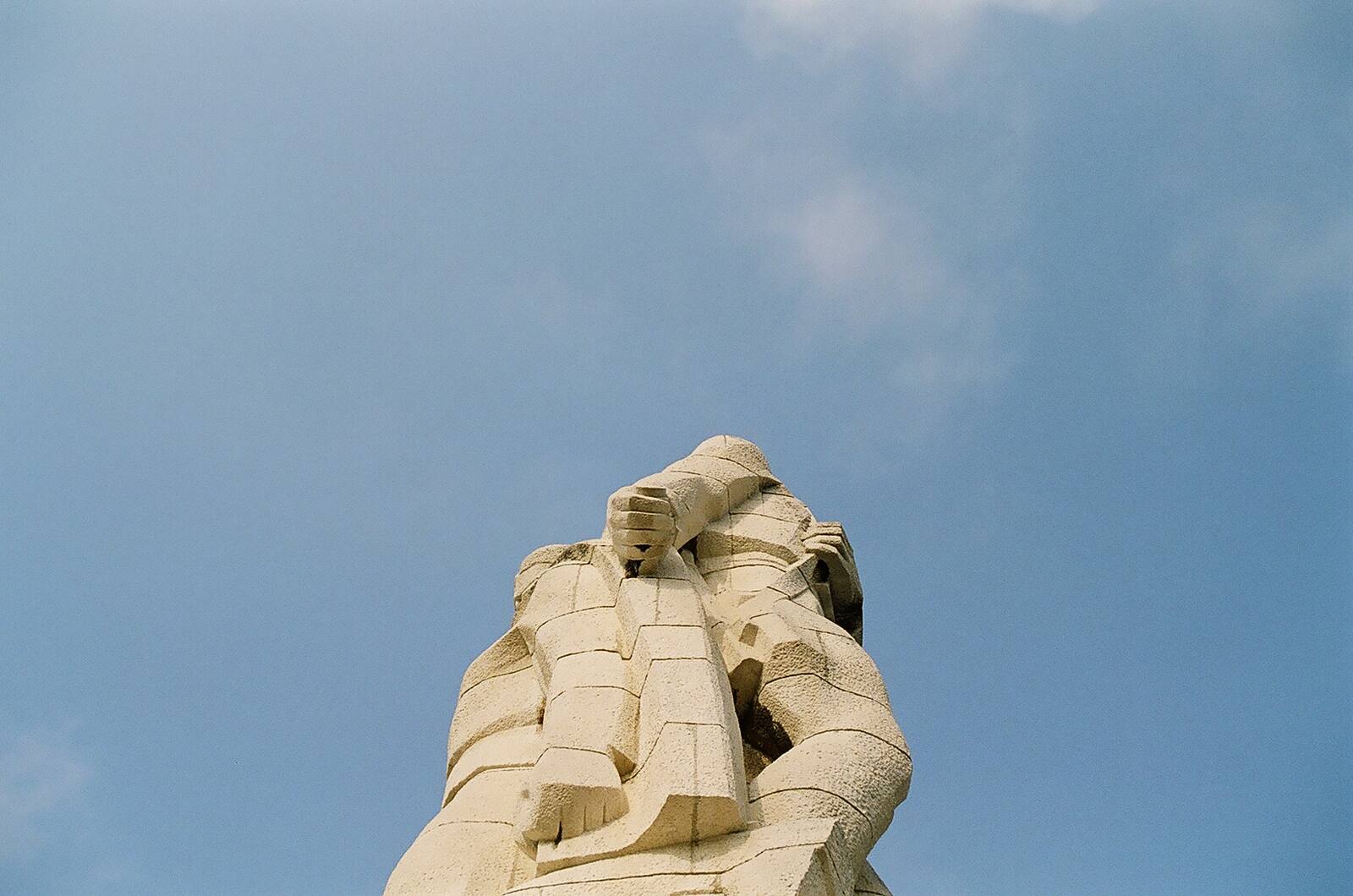
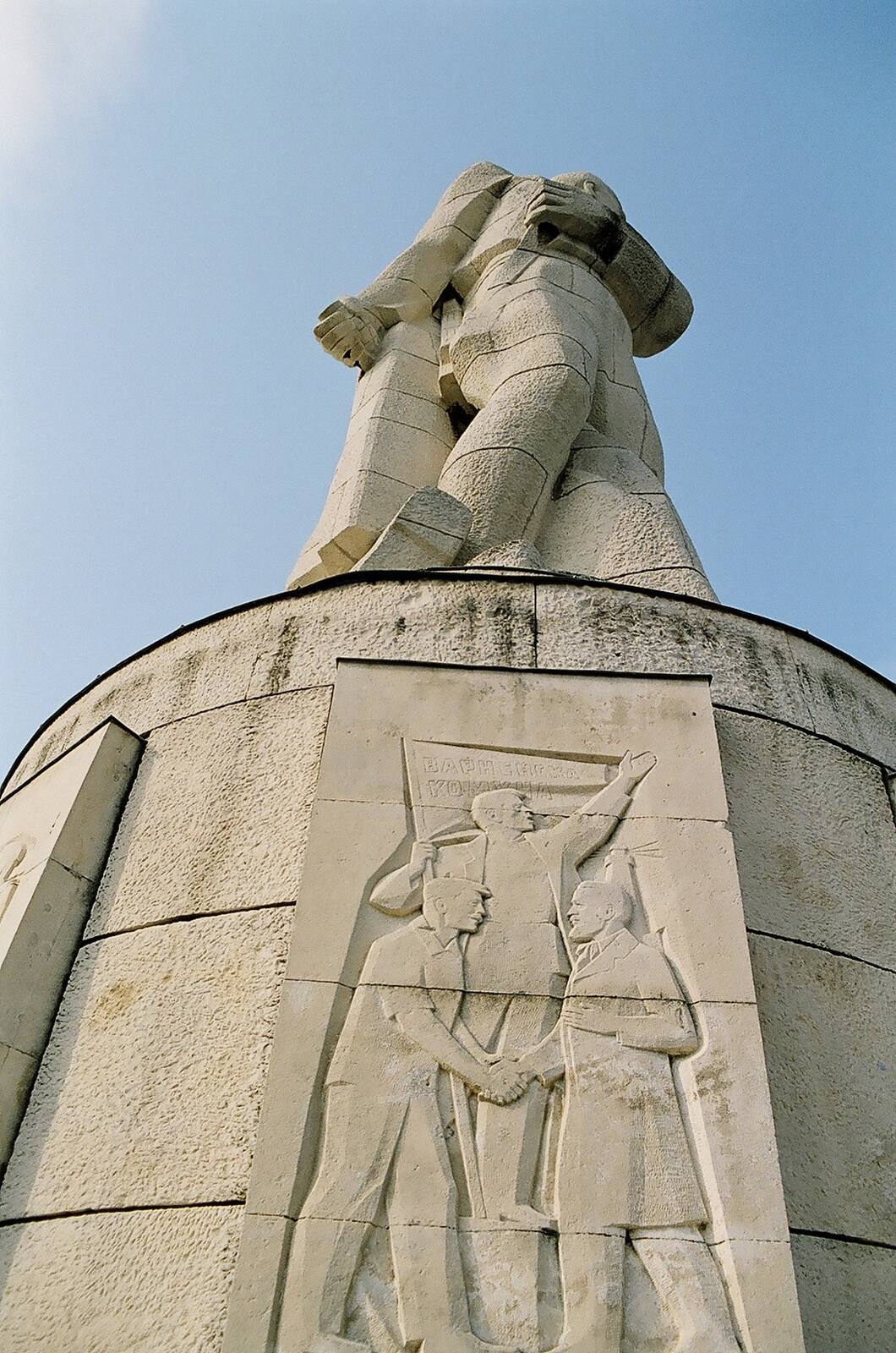
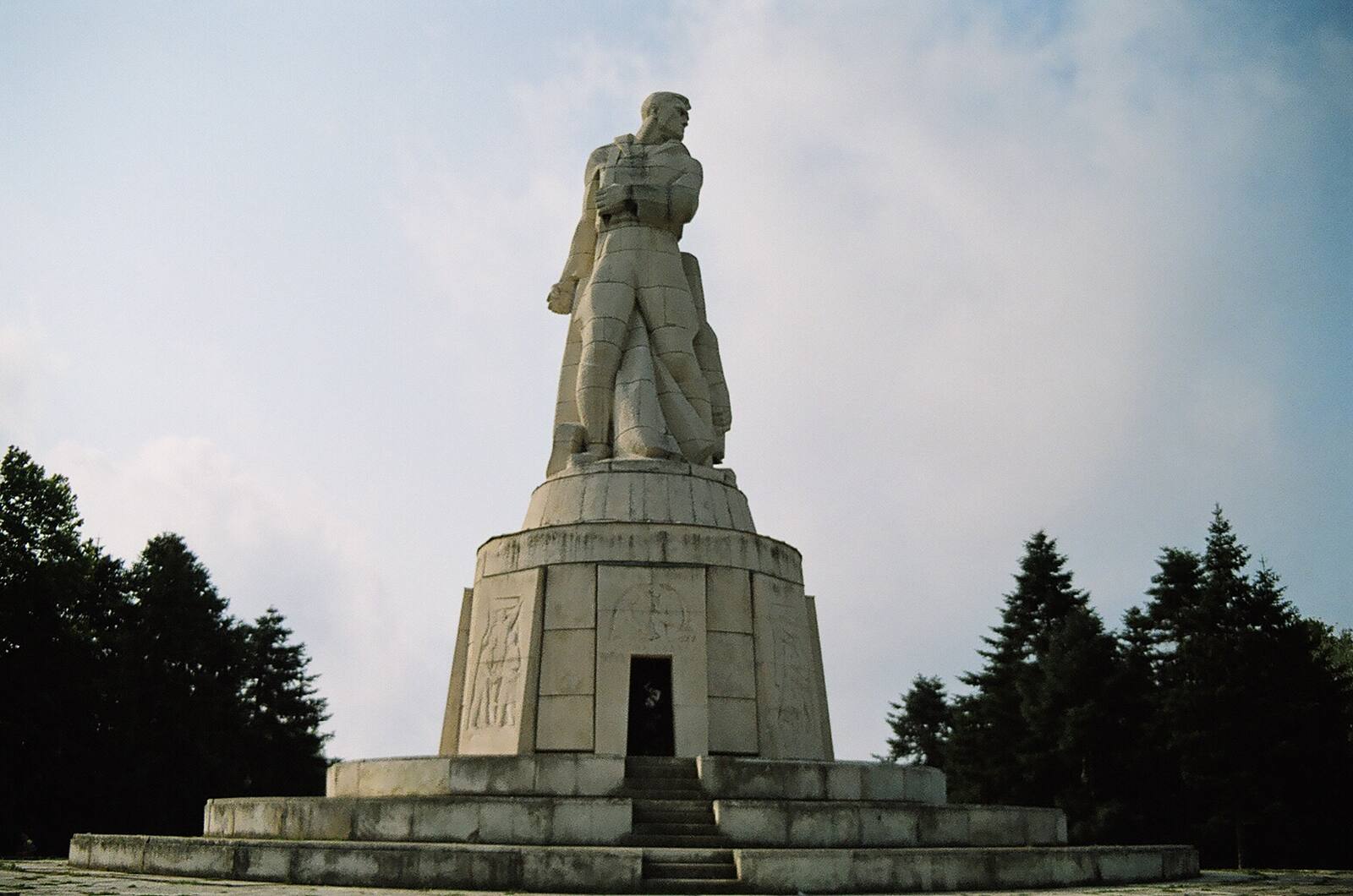
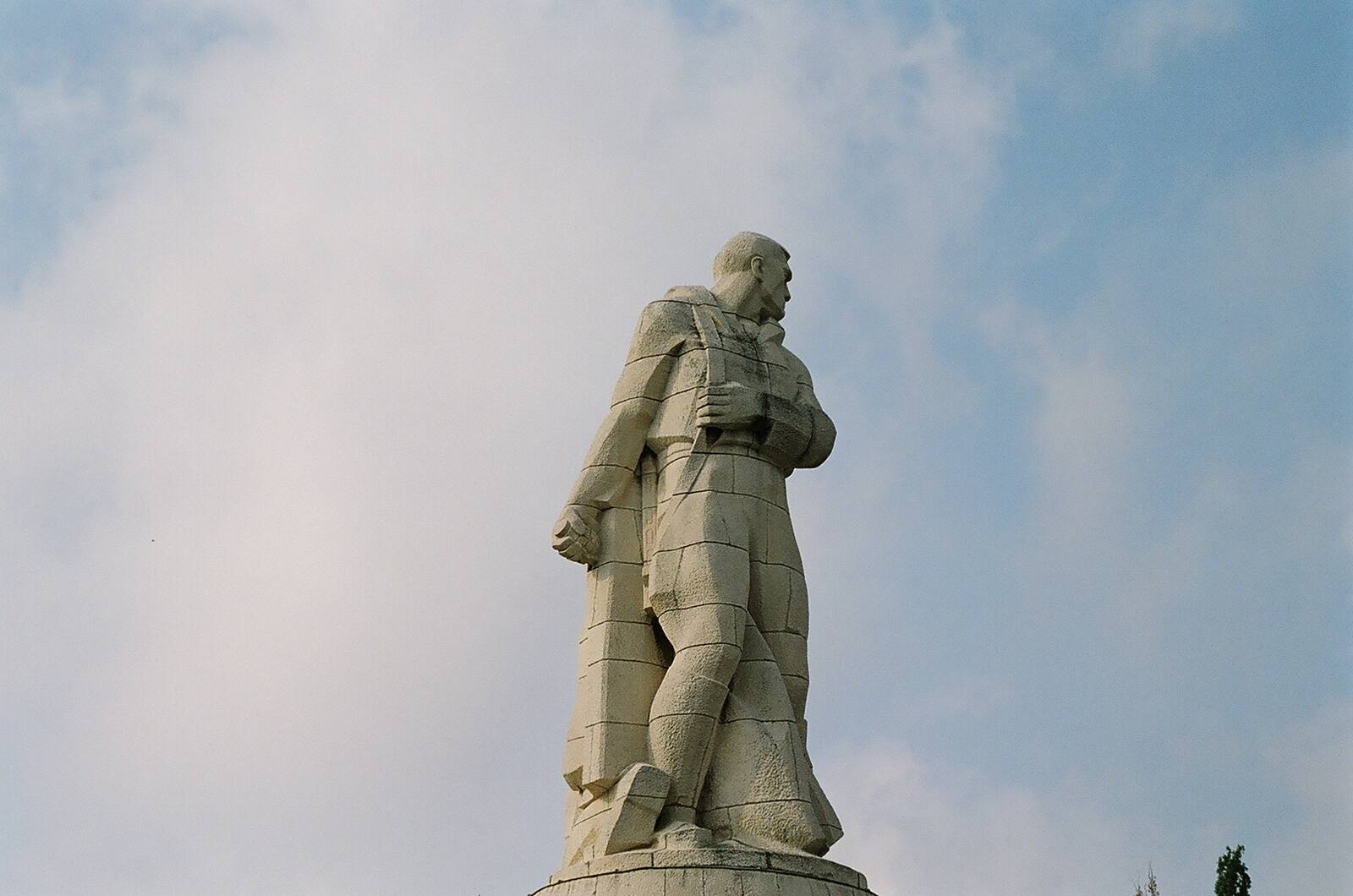
ПантеонътThe concrete mother of the Pantheon, shot from her feet — whatever you think of the politics, the sculpture means every word of it.
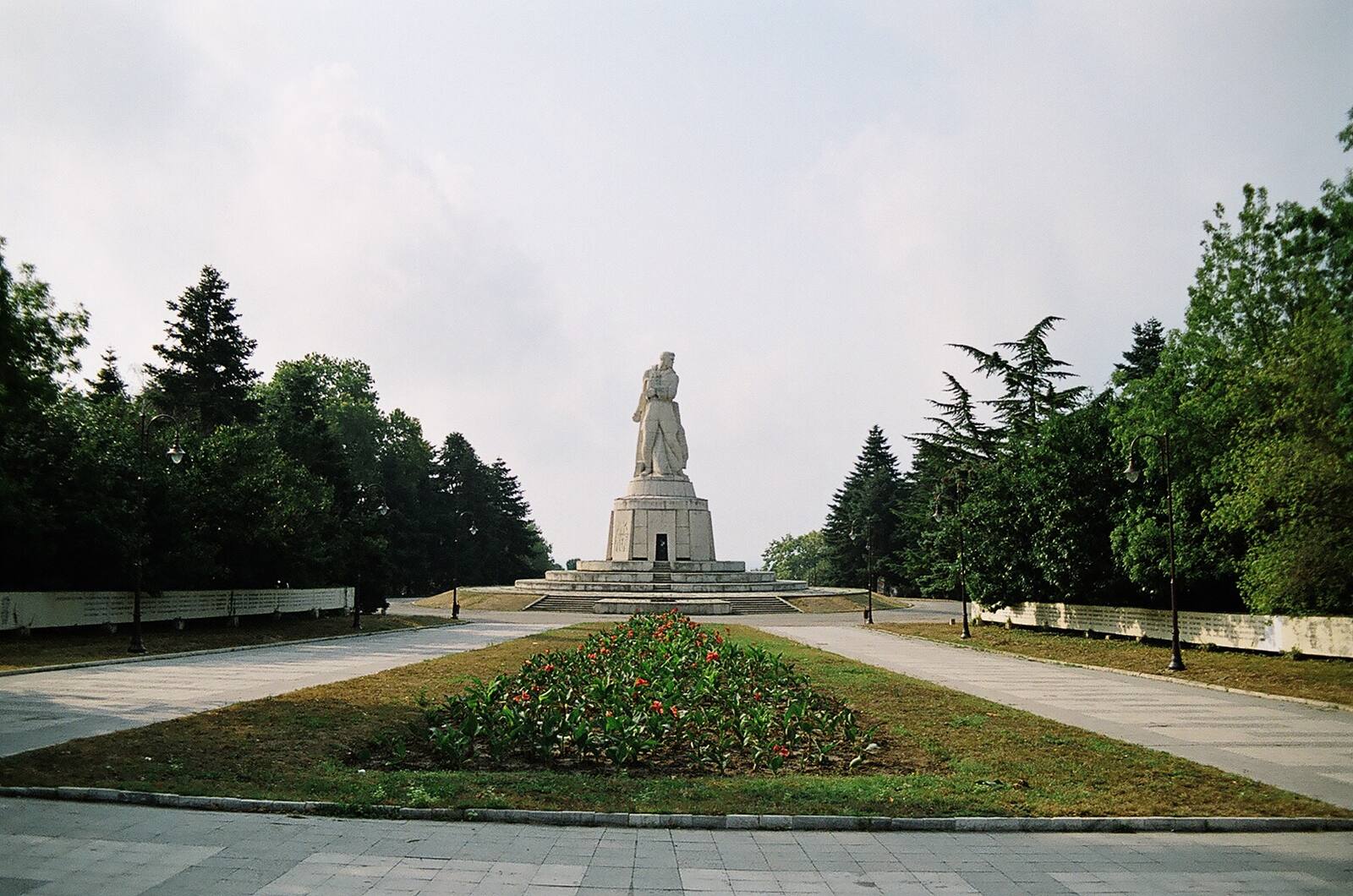
The Pantheon of the fallen: the mother rising out of the trees, the ceremonial axis, soldiers at her feet.
майката · the mother
алеята · the axis
срещу слънцето
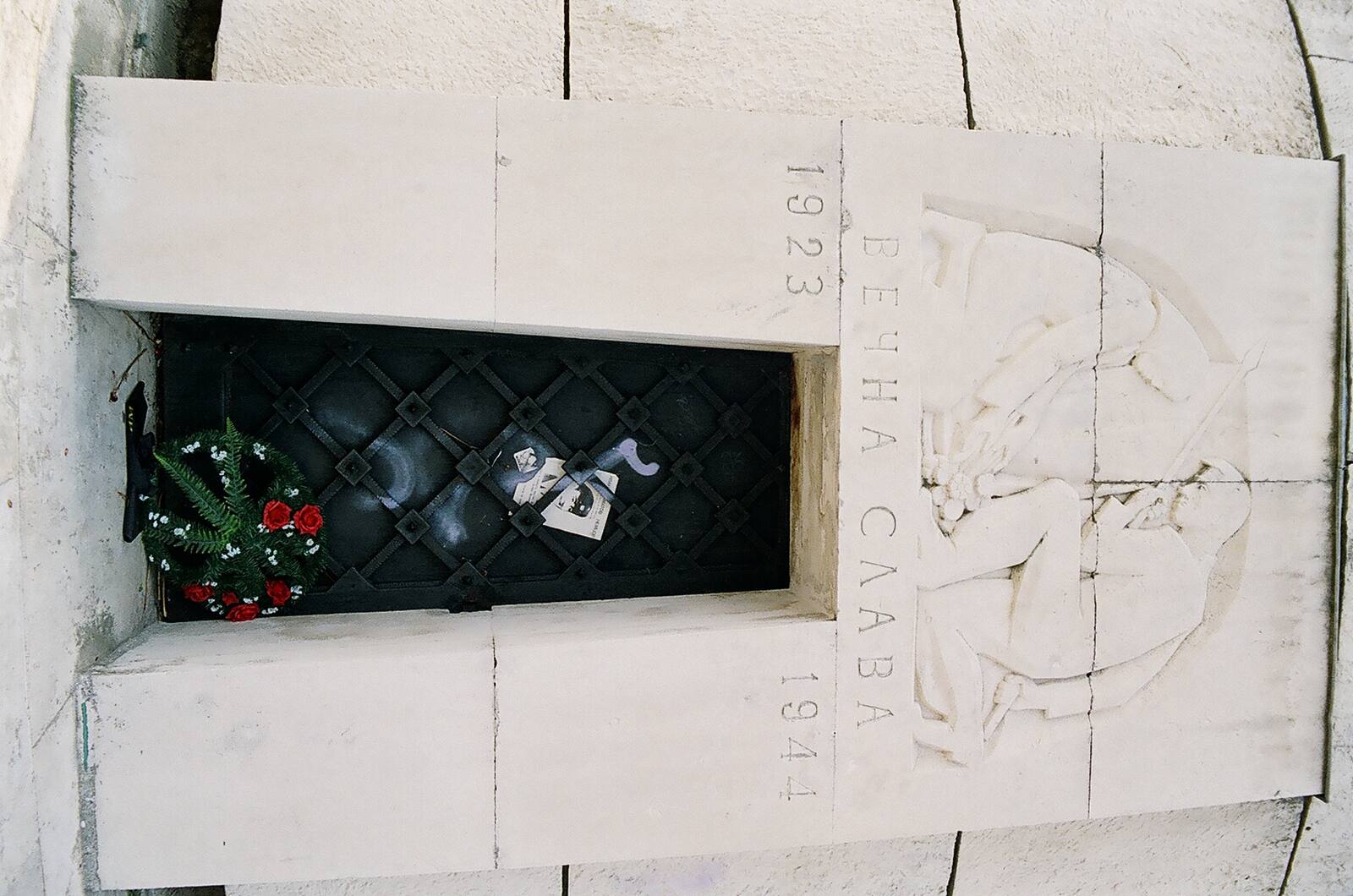
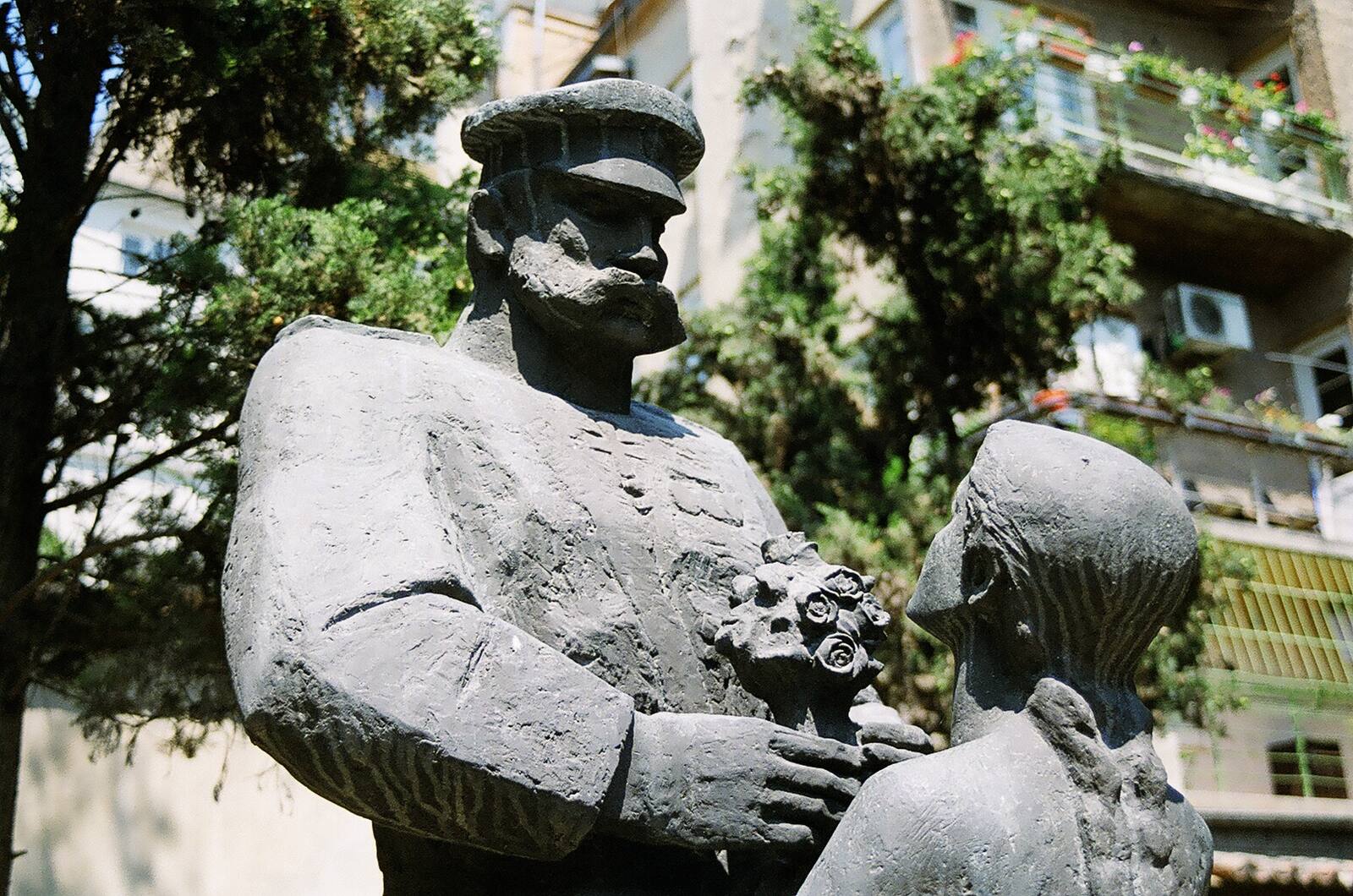
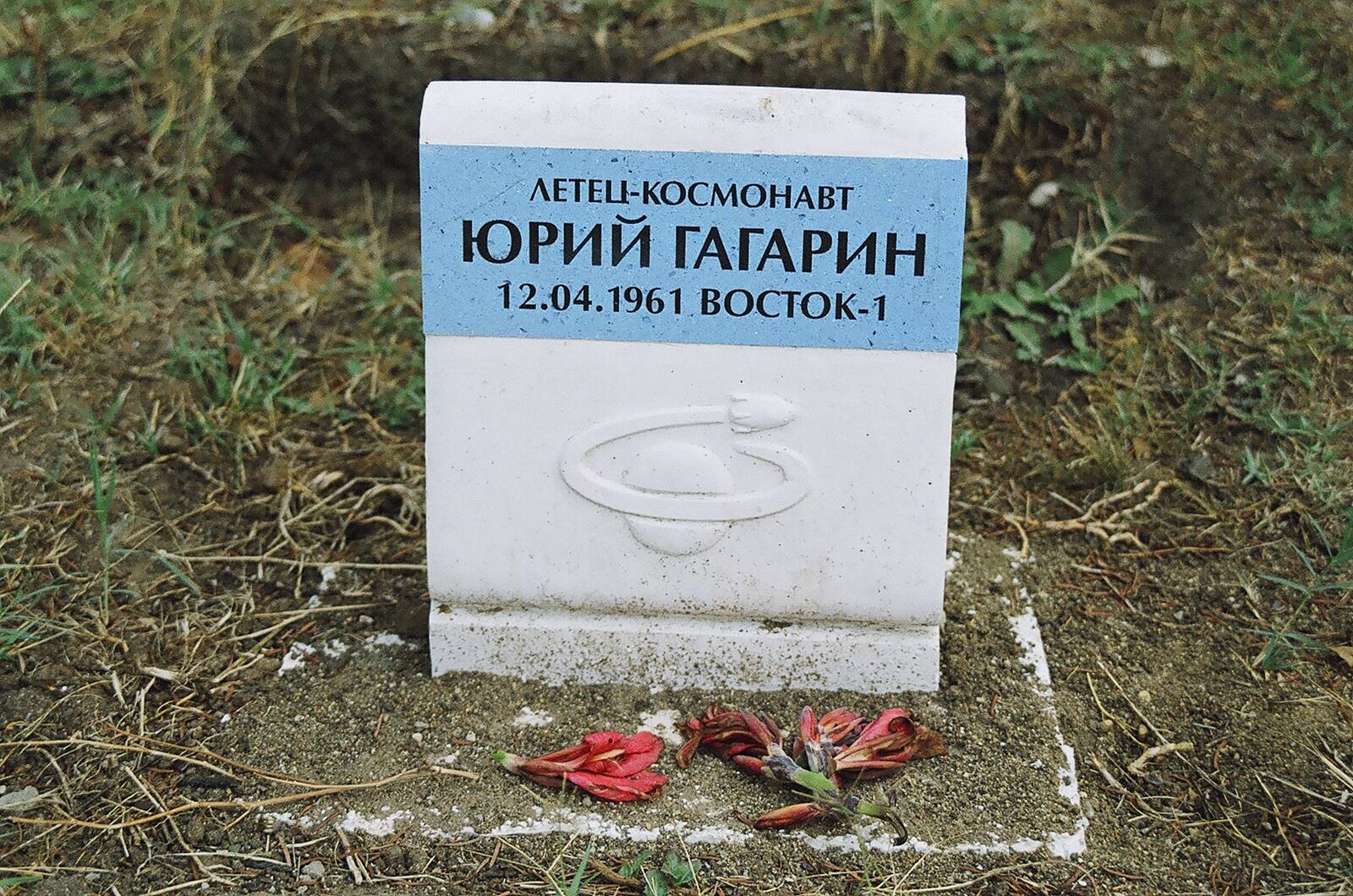
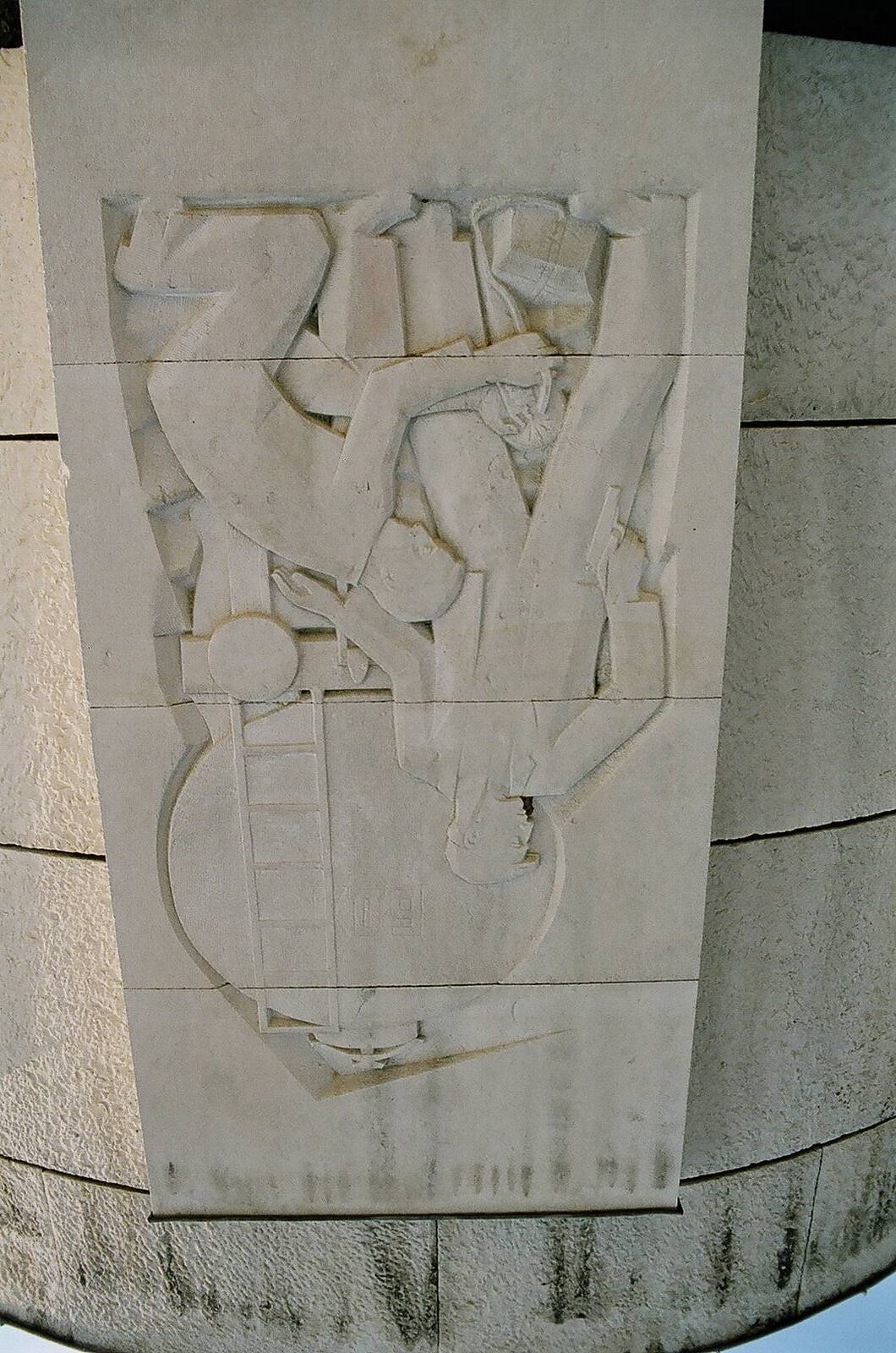
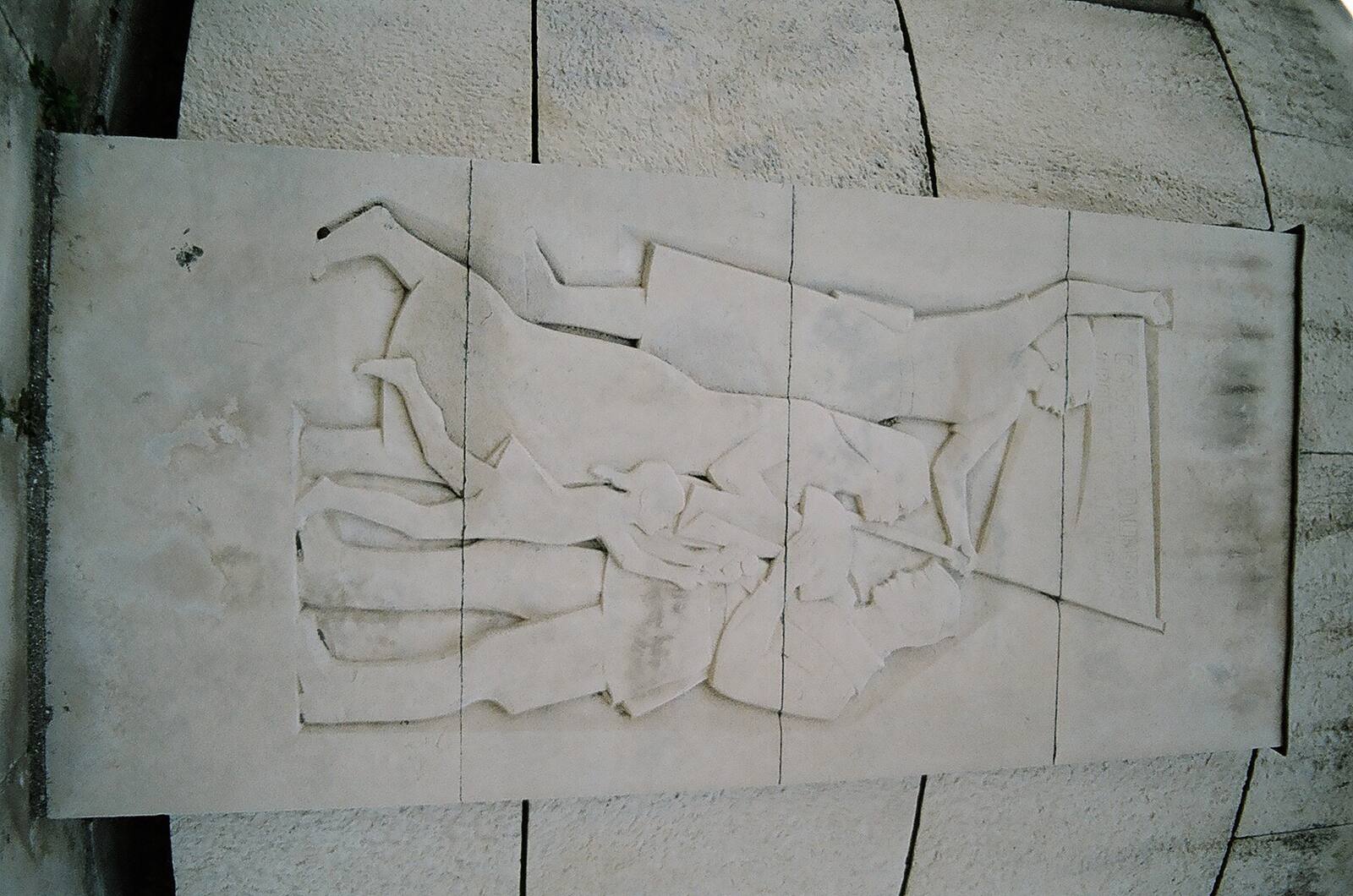
войникътWhite marble reliefs, a niche kept in fresh flowers — and Yuri Gagarin's little memorial stone, carnations renewed by someone who still remembers 12 April 1961.
релефът I
релефът II
нишата с цветята
генералът с цветята
гърбът на майкатаPlate IV: the poster the park is still printing — cosmonautics as civic religion.
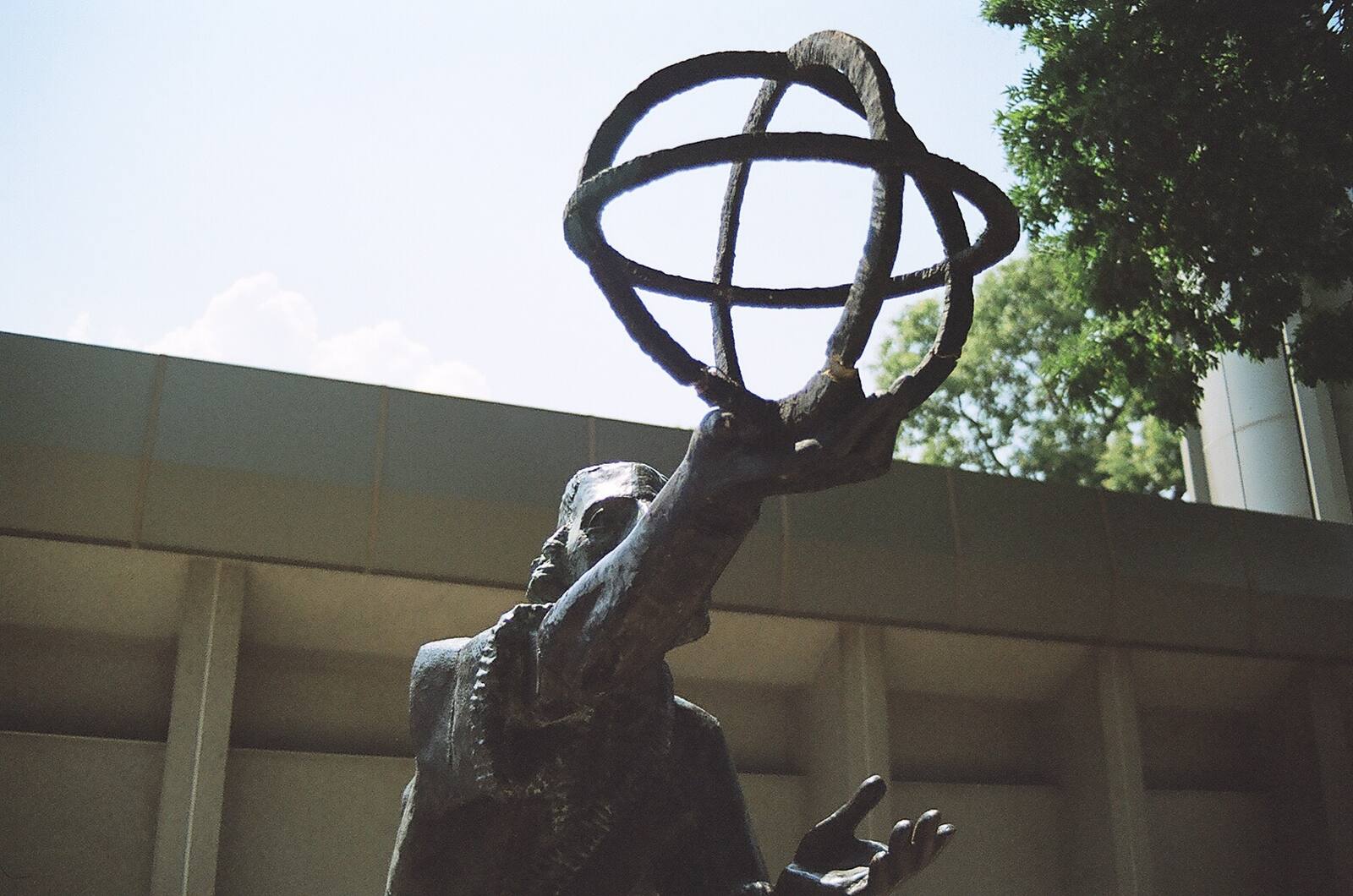
КоперникCopernicus holds up the solar system outside the observatory — the officially approved saint of the scientific age, mid-sermon since 1968.
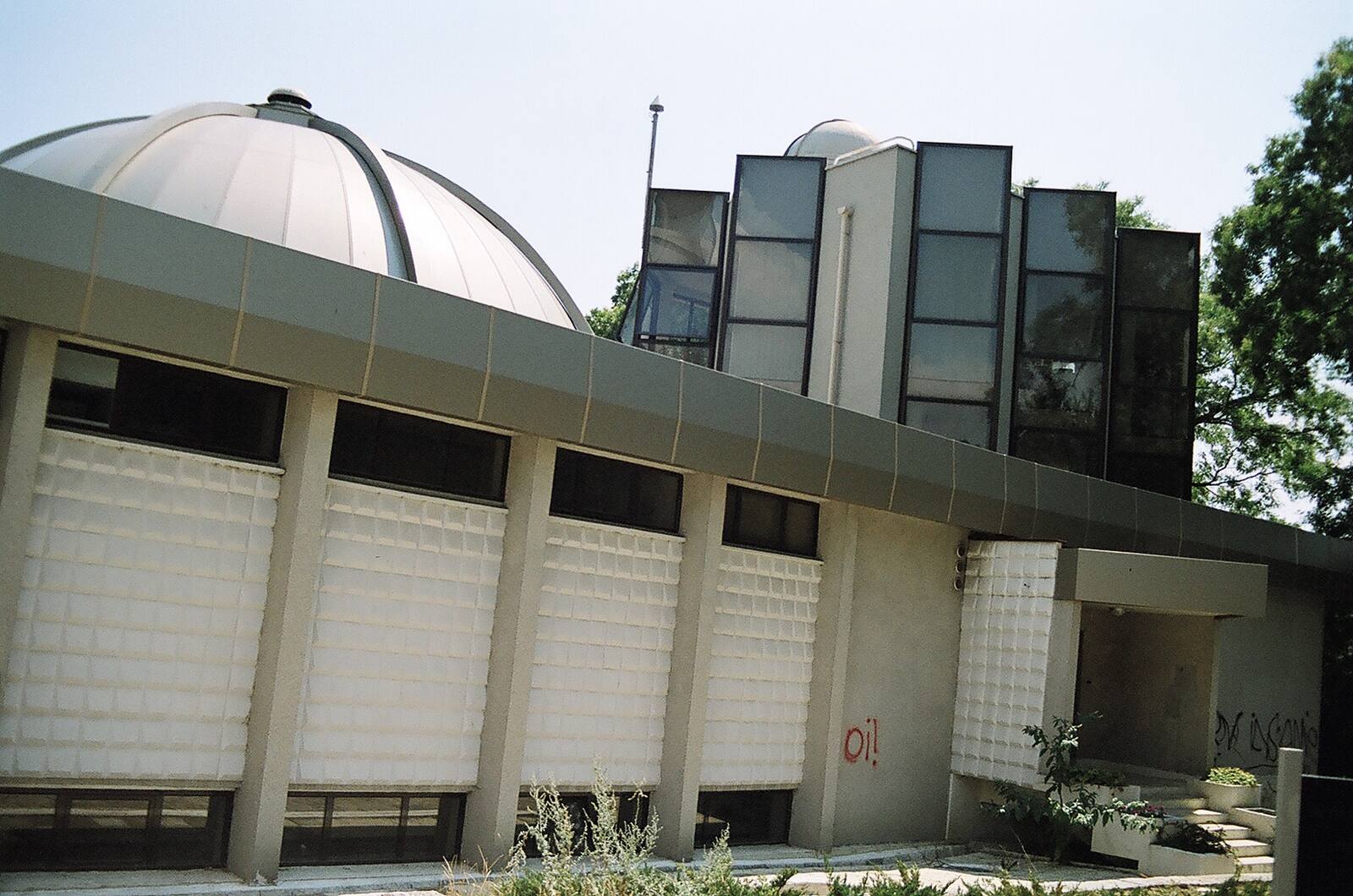
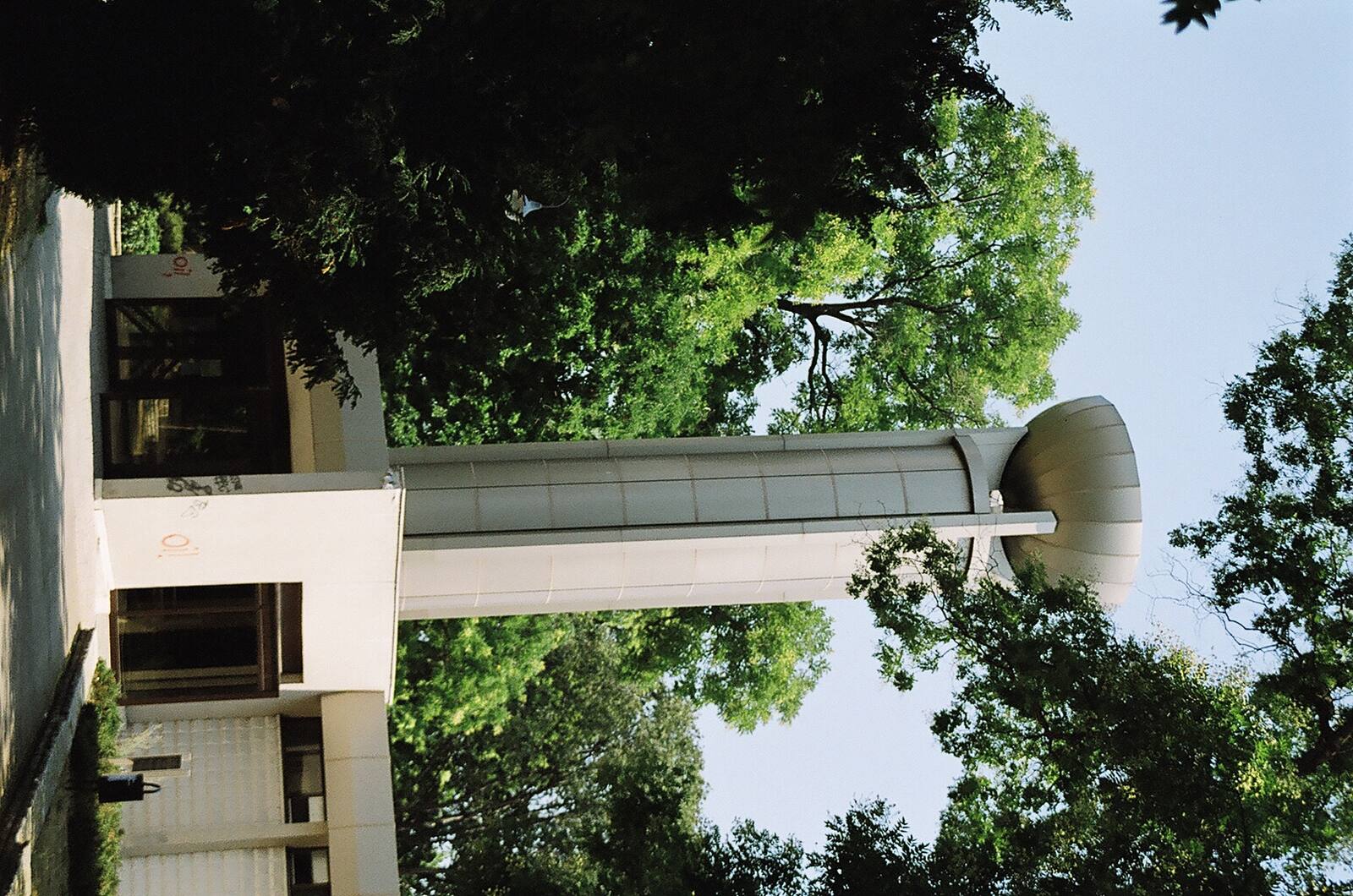
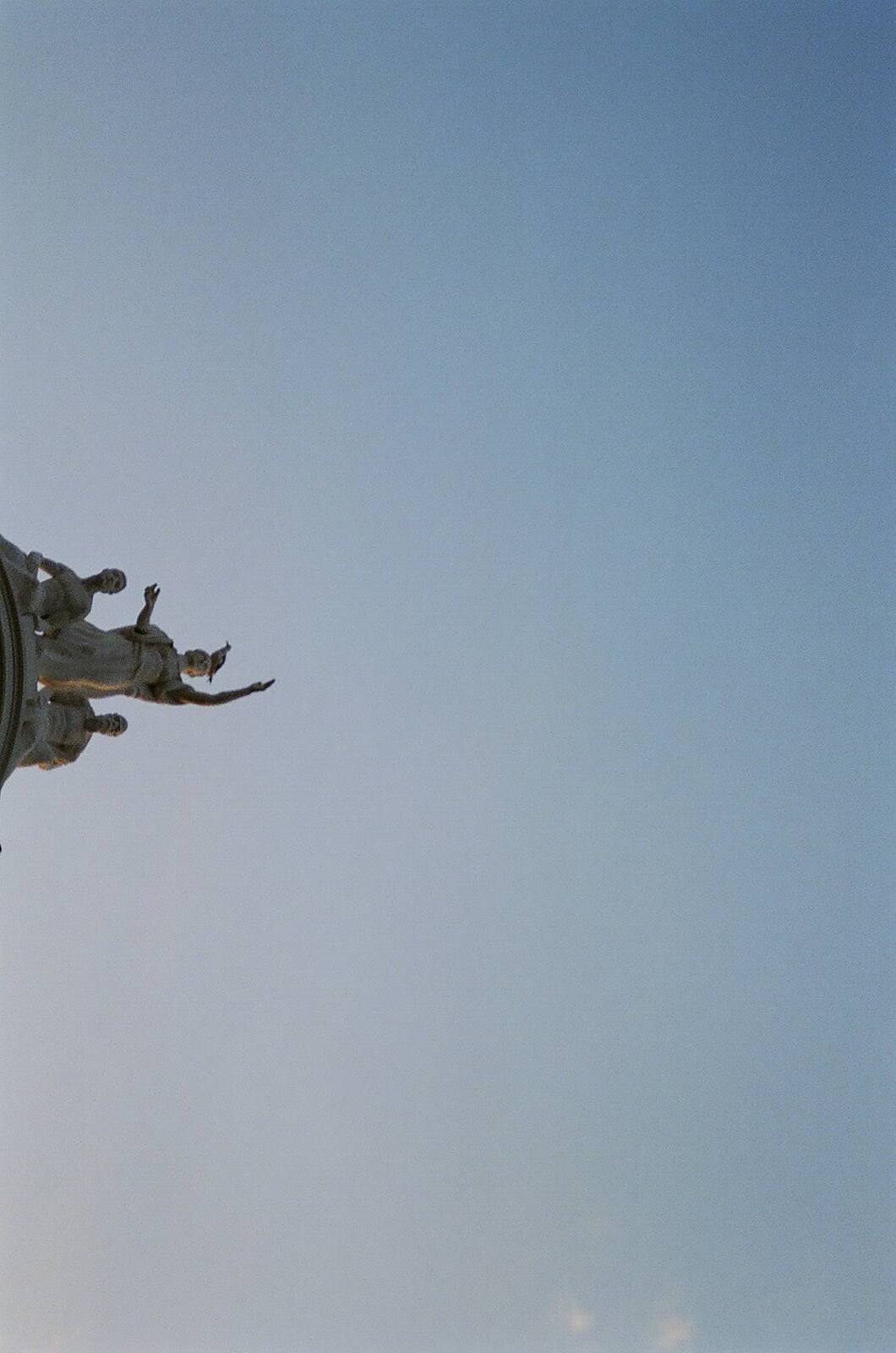
The observatory quarter — planetarium concrete folded like a launch shroud, a figure saluting from a dome, and every sculpture pointing up. The message was never subtle: the future is vertical, comrades.
планетариумът
кулата на звездите
статуята на купола
сфинксът
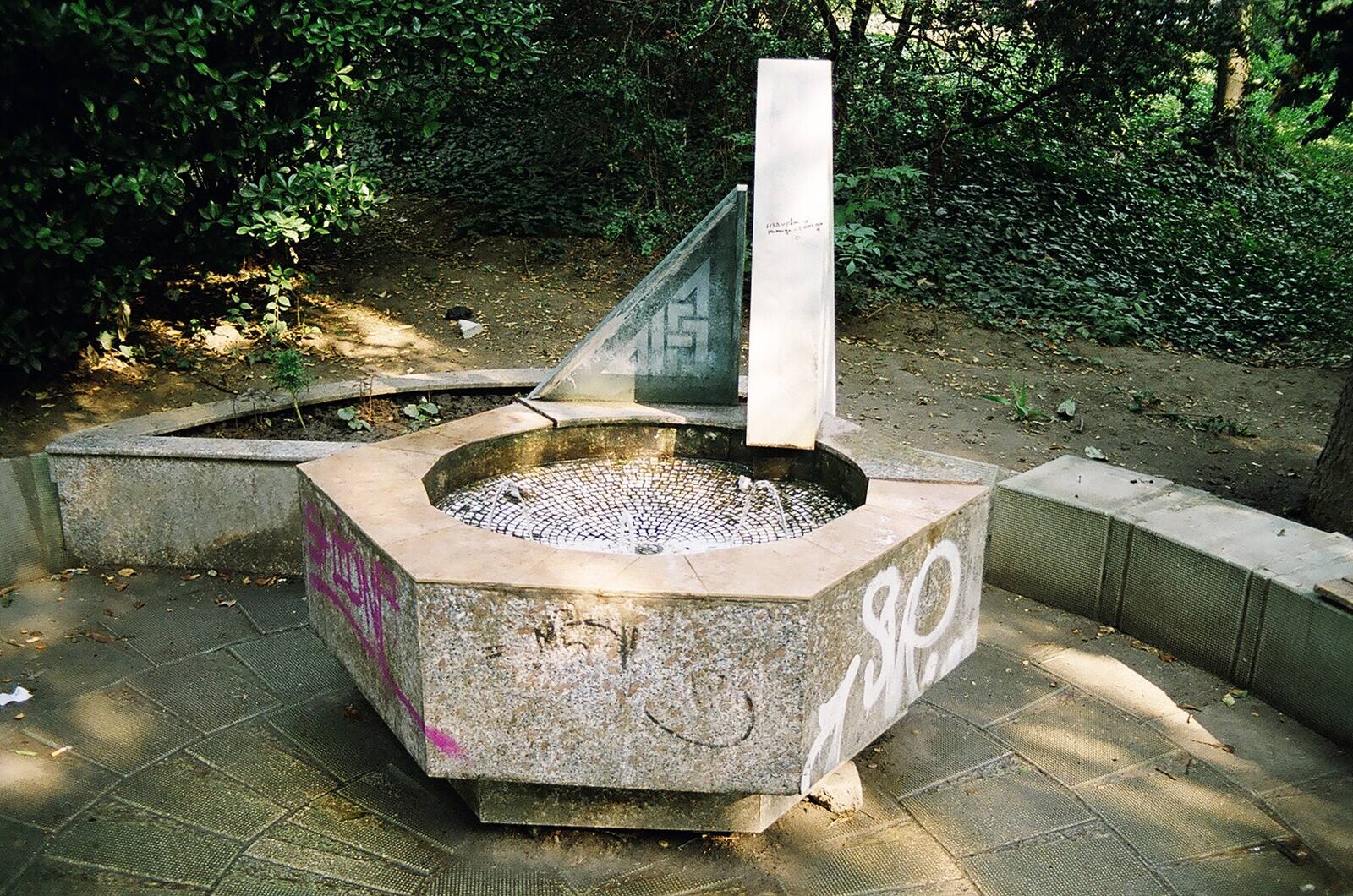
фонтанът-купа
стрелите нагоре


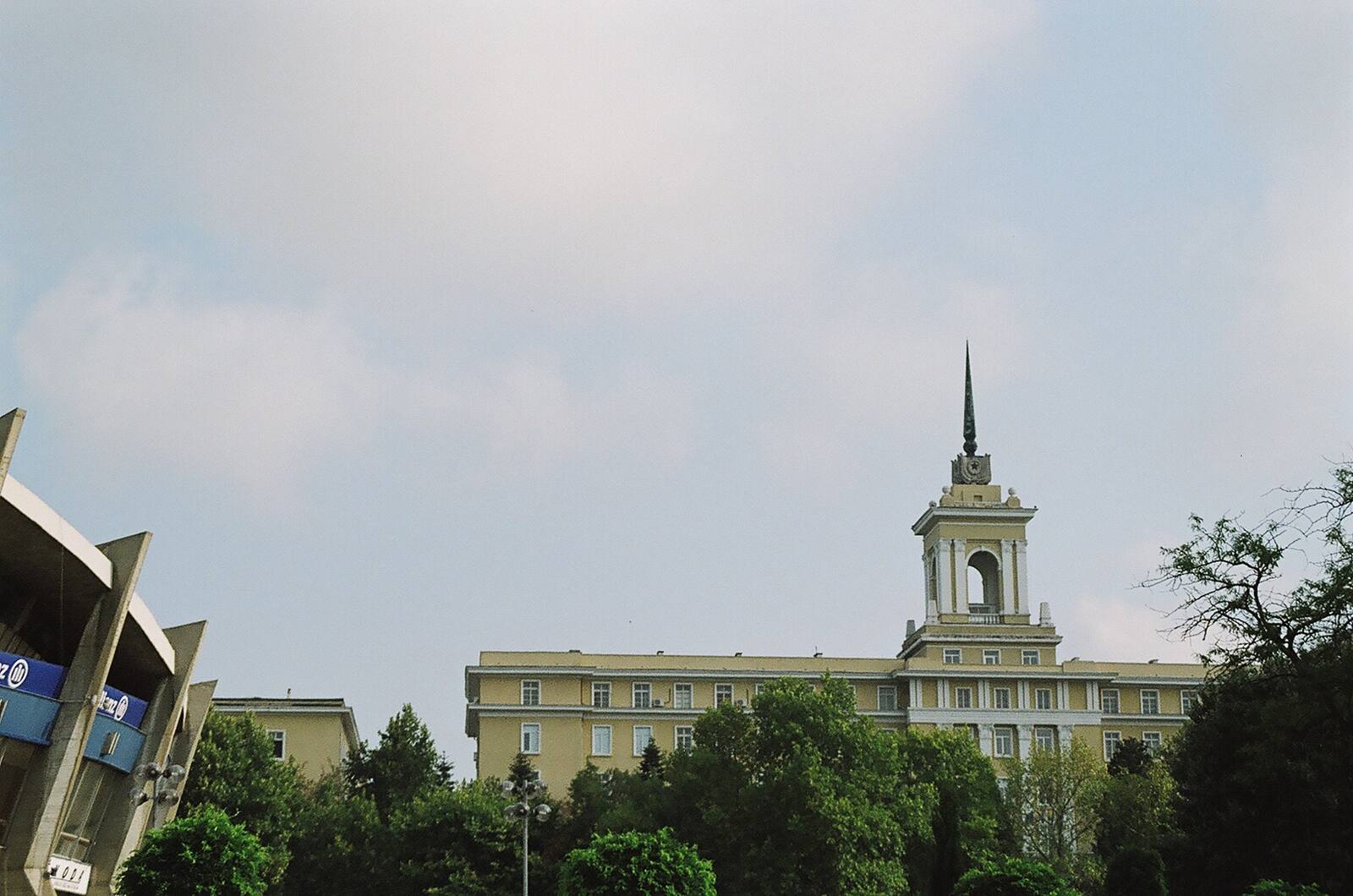
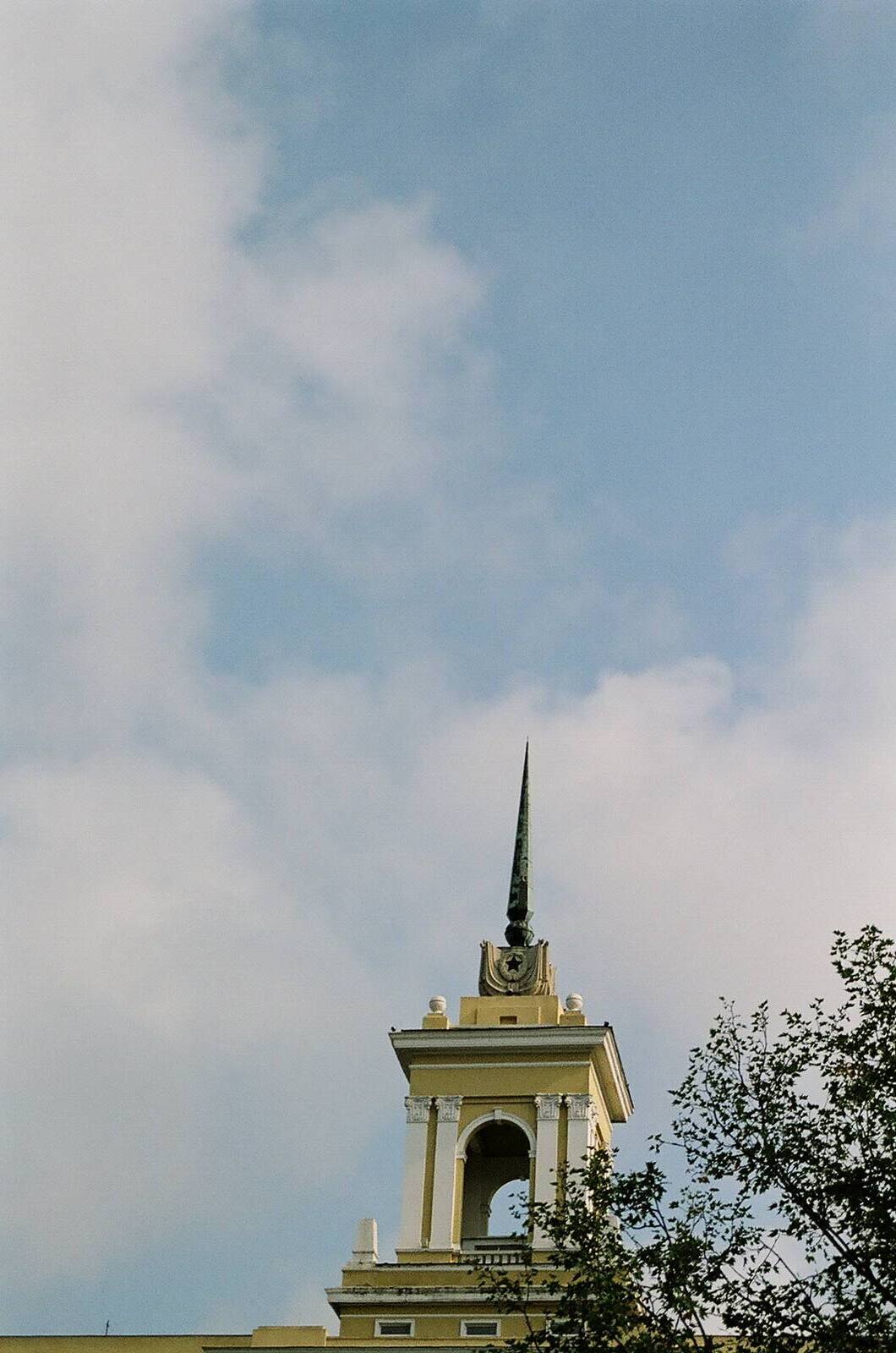
Морското училищеThe Naval Academy's tower keeping watch over the parade ground — Bulgaria's admirals all learned to salute here.
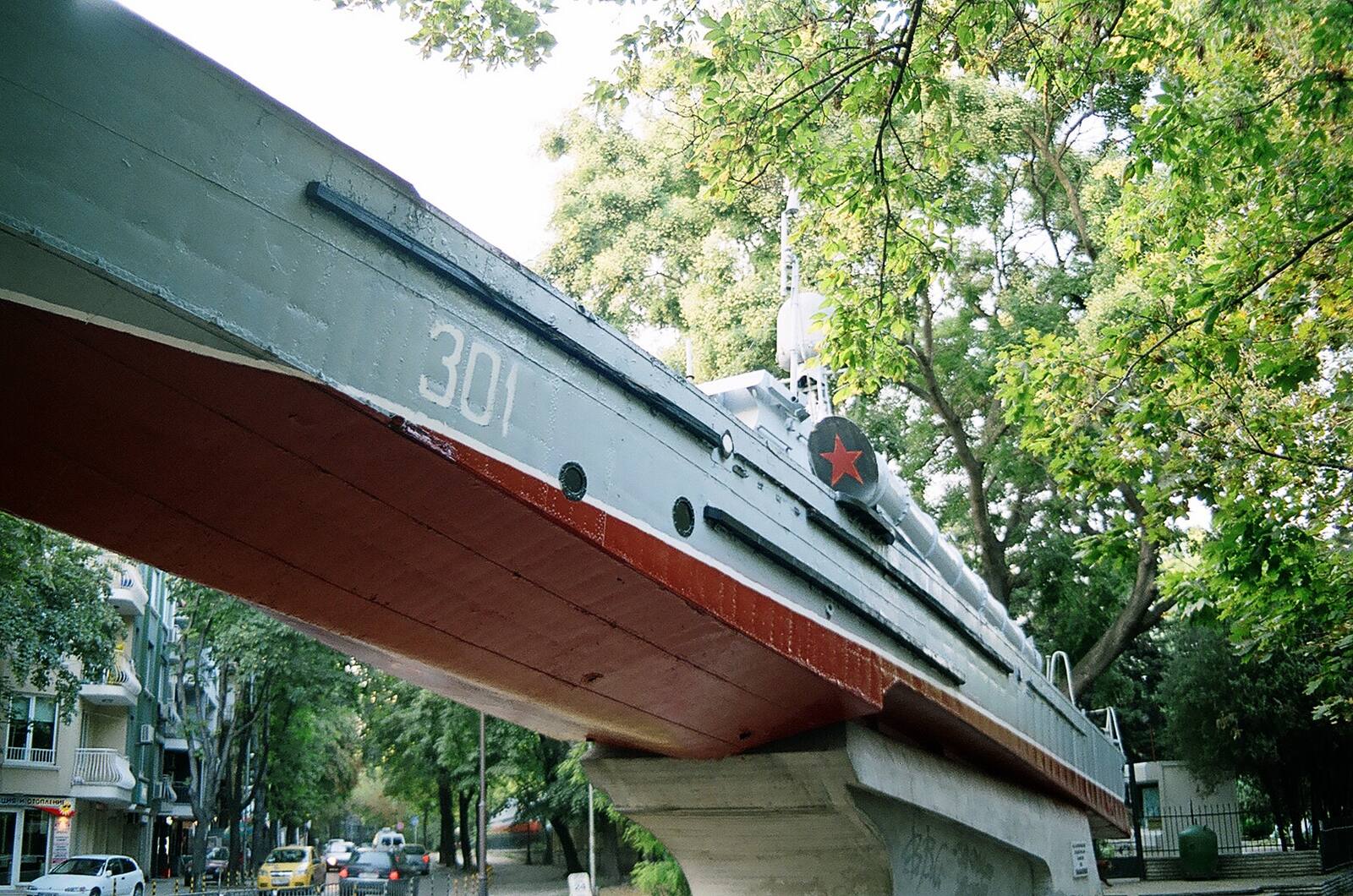
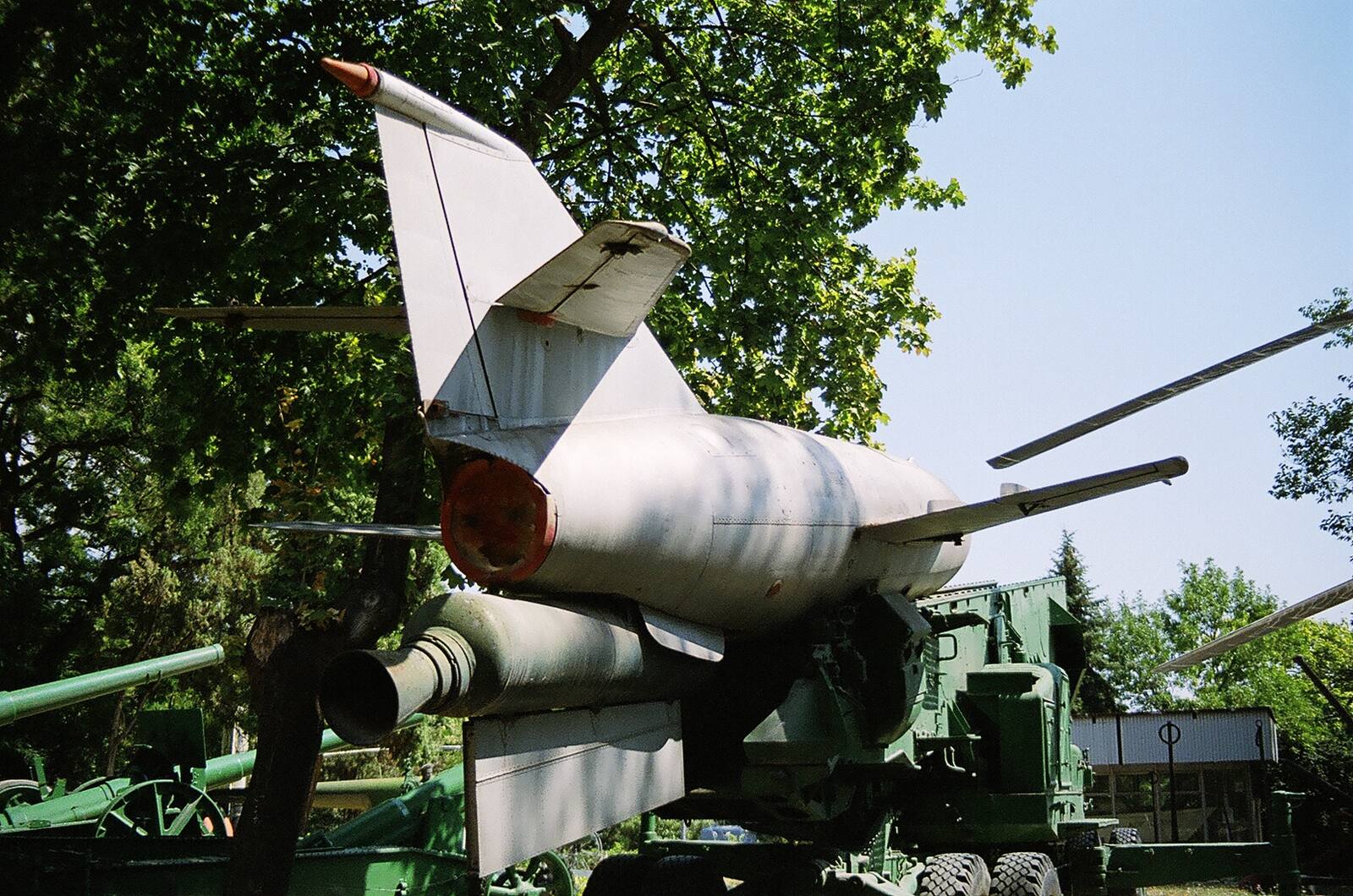
The Naval Museum keeps the torpedo boat Drazki — 'the Daring', which sank an Ottoman cruiser in 1912 — and a rocket for later arguments.
Дръзки · the Daring
ракетата
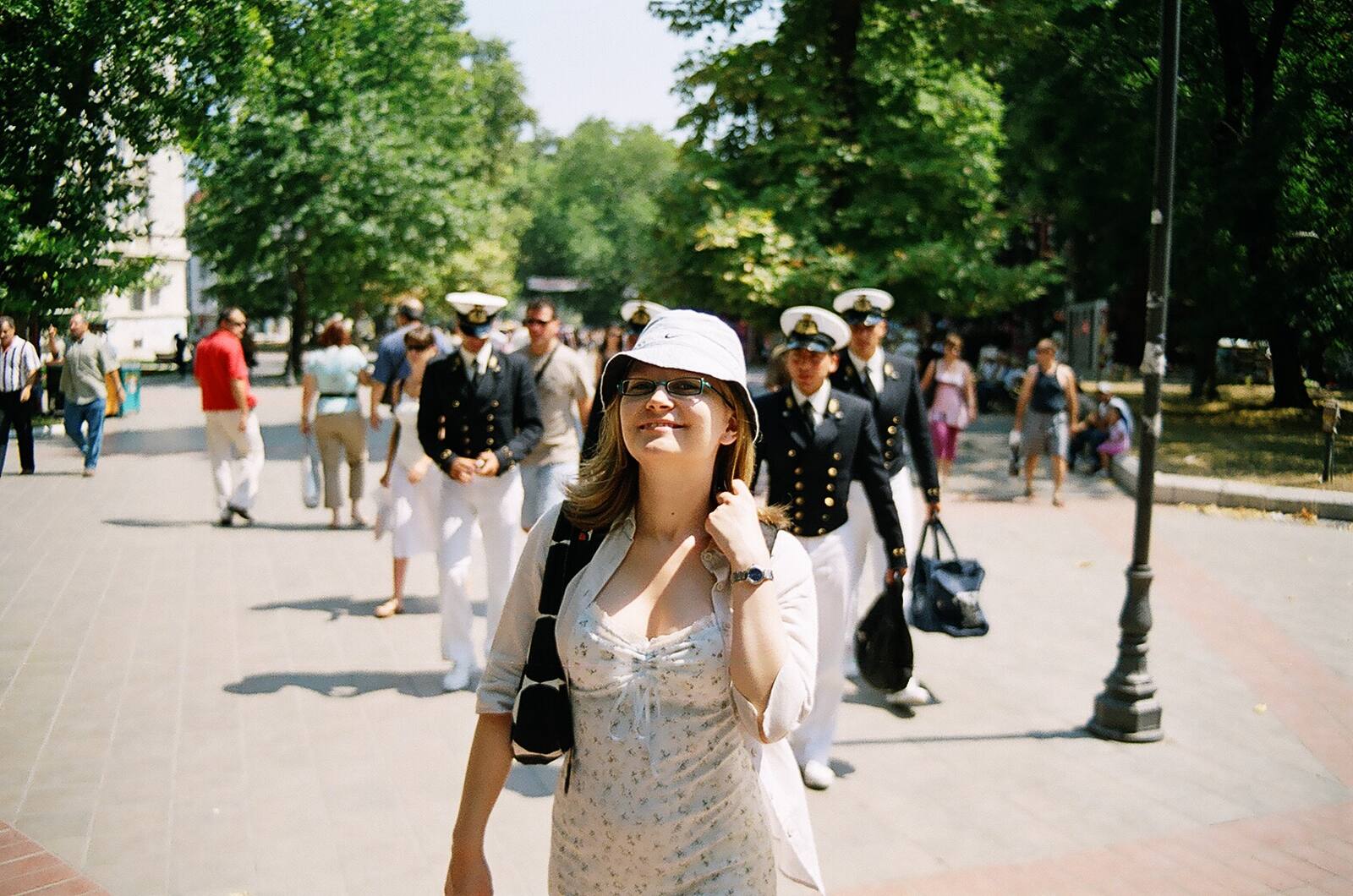
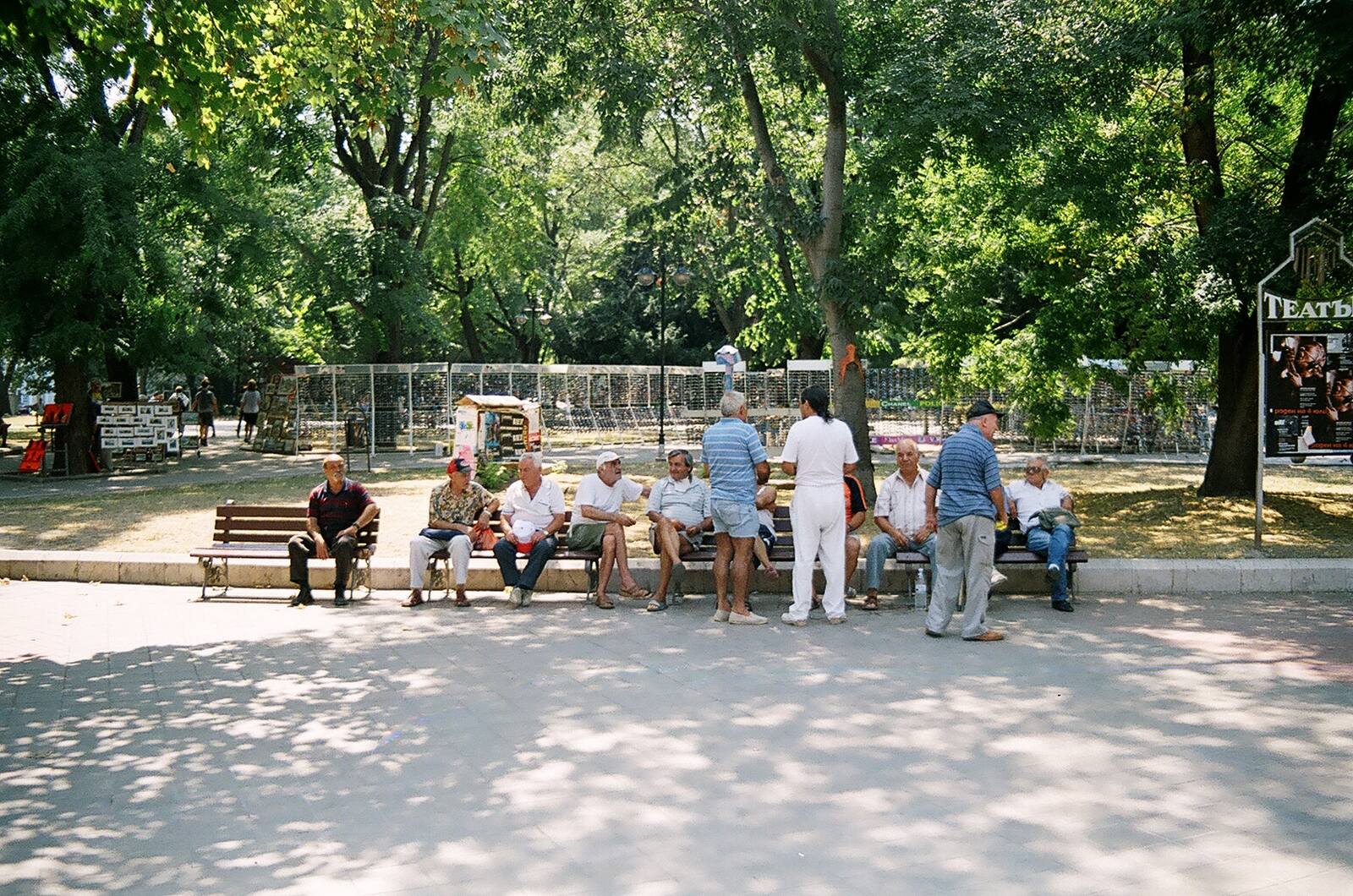
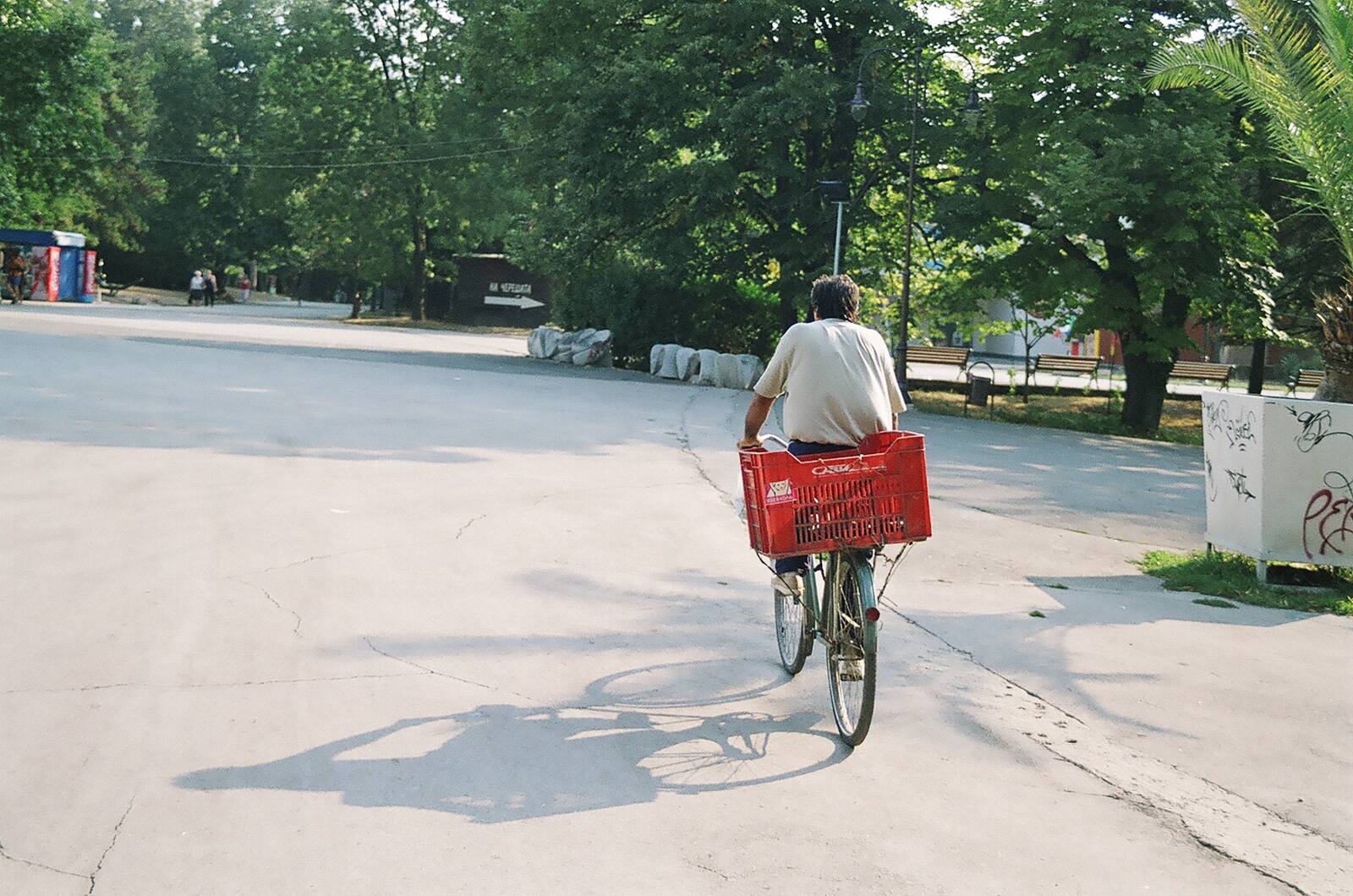
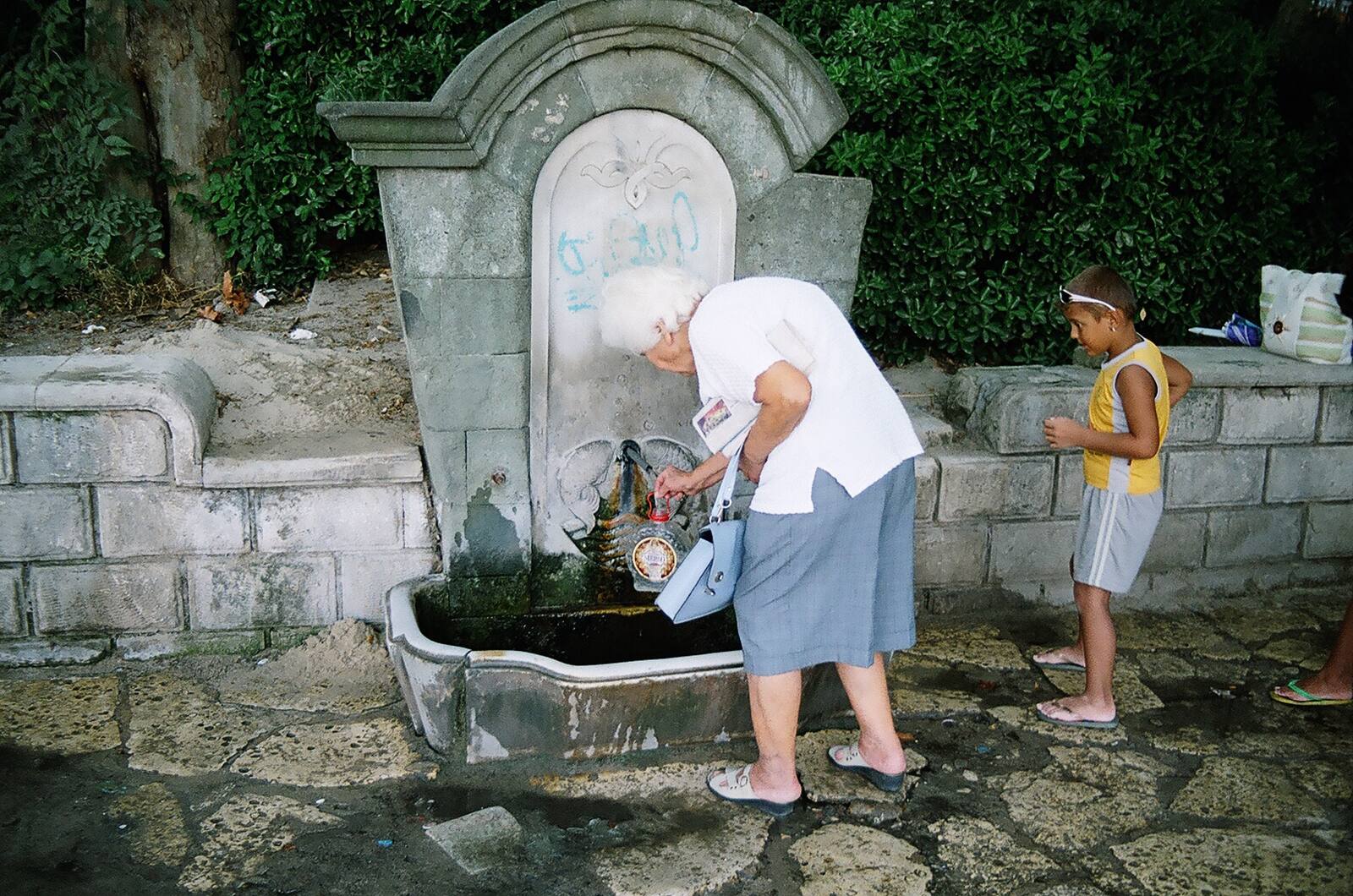
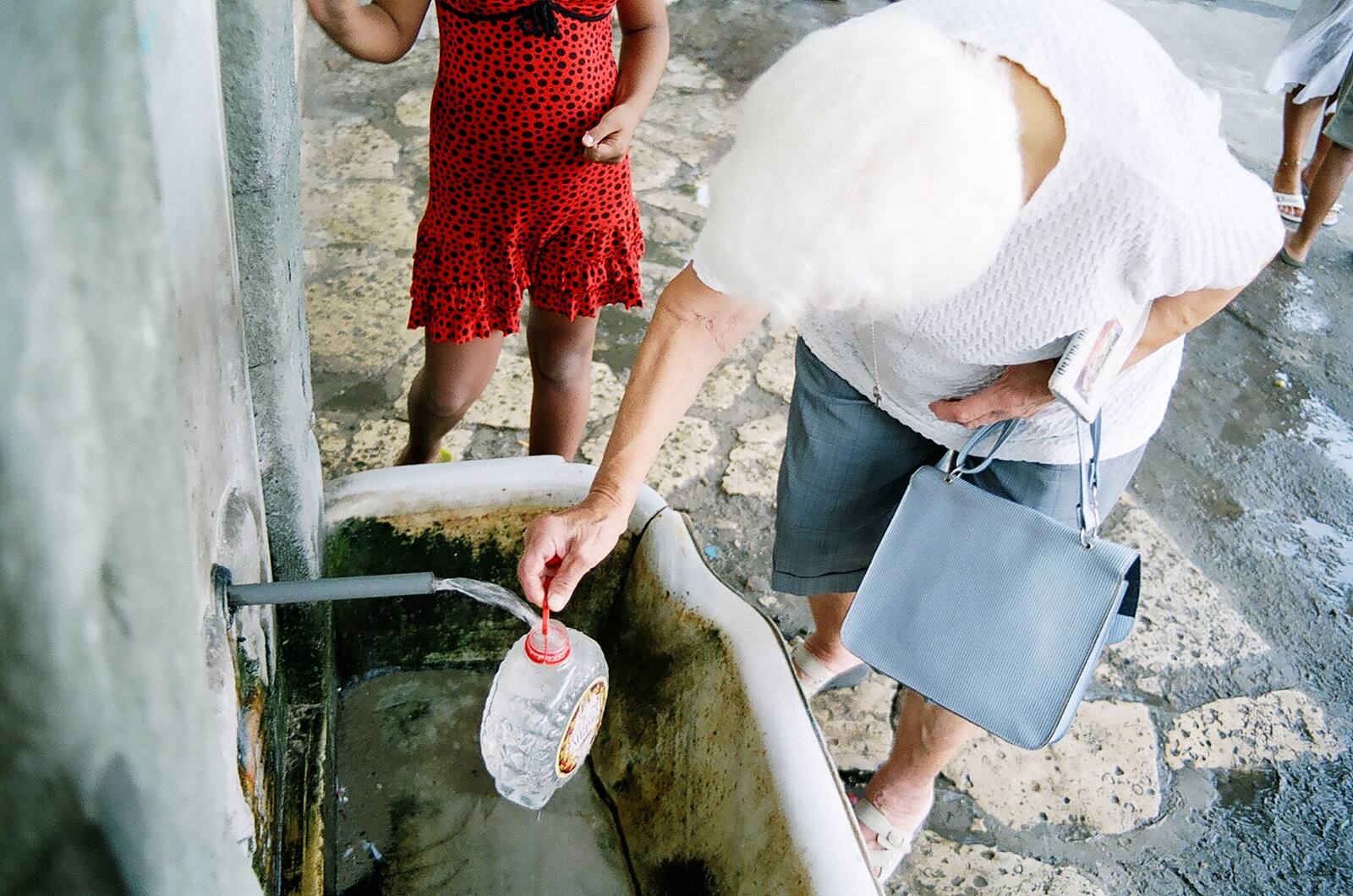
шпилътThe garden's daily congregation: sailors in whites, pensioners holding the benches, a red bicycle on its rounds, and the mineral fountains where the city queues with bottles — the water is warm, sulphurous, and sworn by.
моряците · sailors on parade
пейките · the benches
колелото · the red bicycle
чешмата I
чешмата II
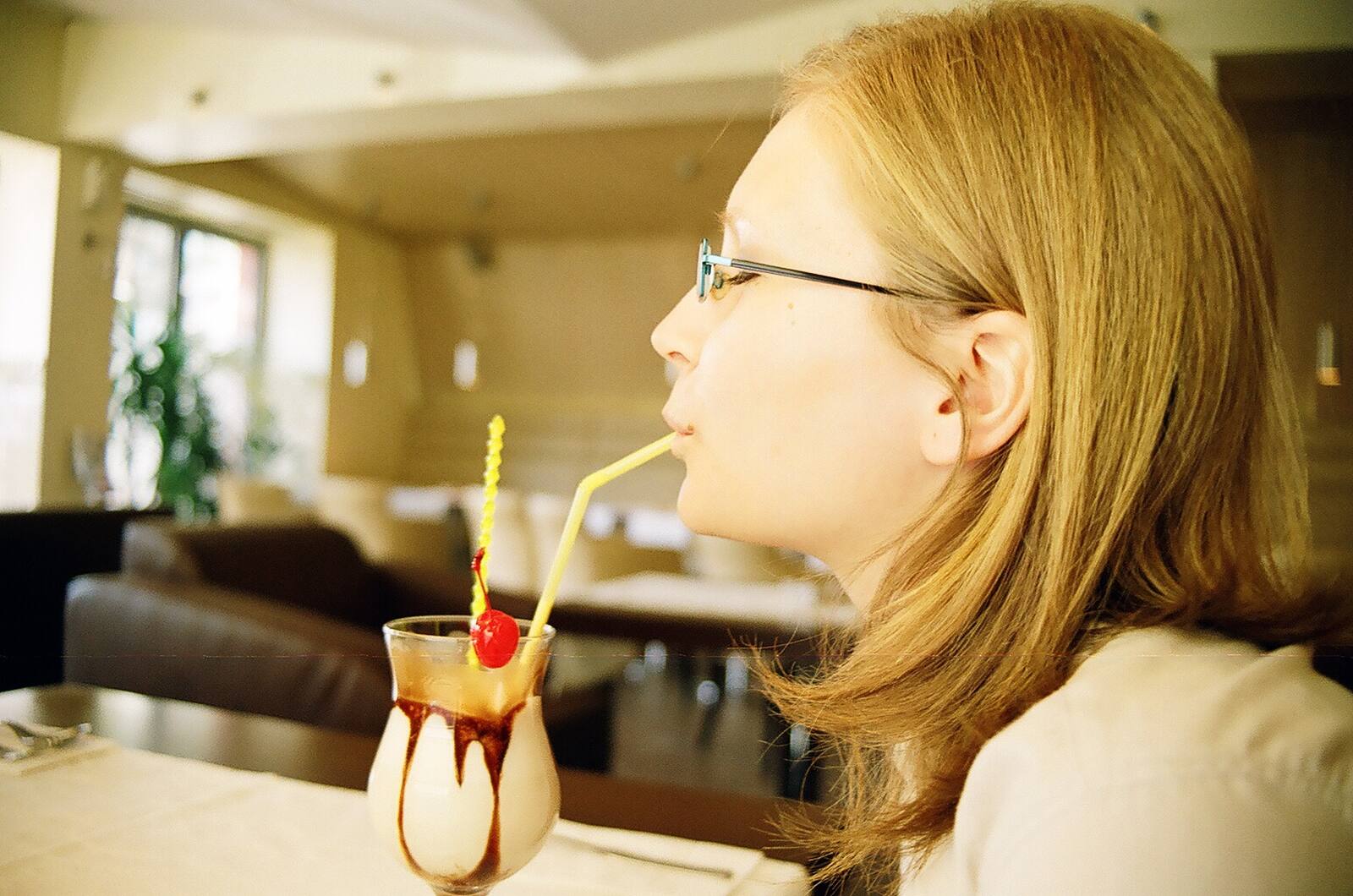
млечен шейкThe paper faces

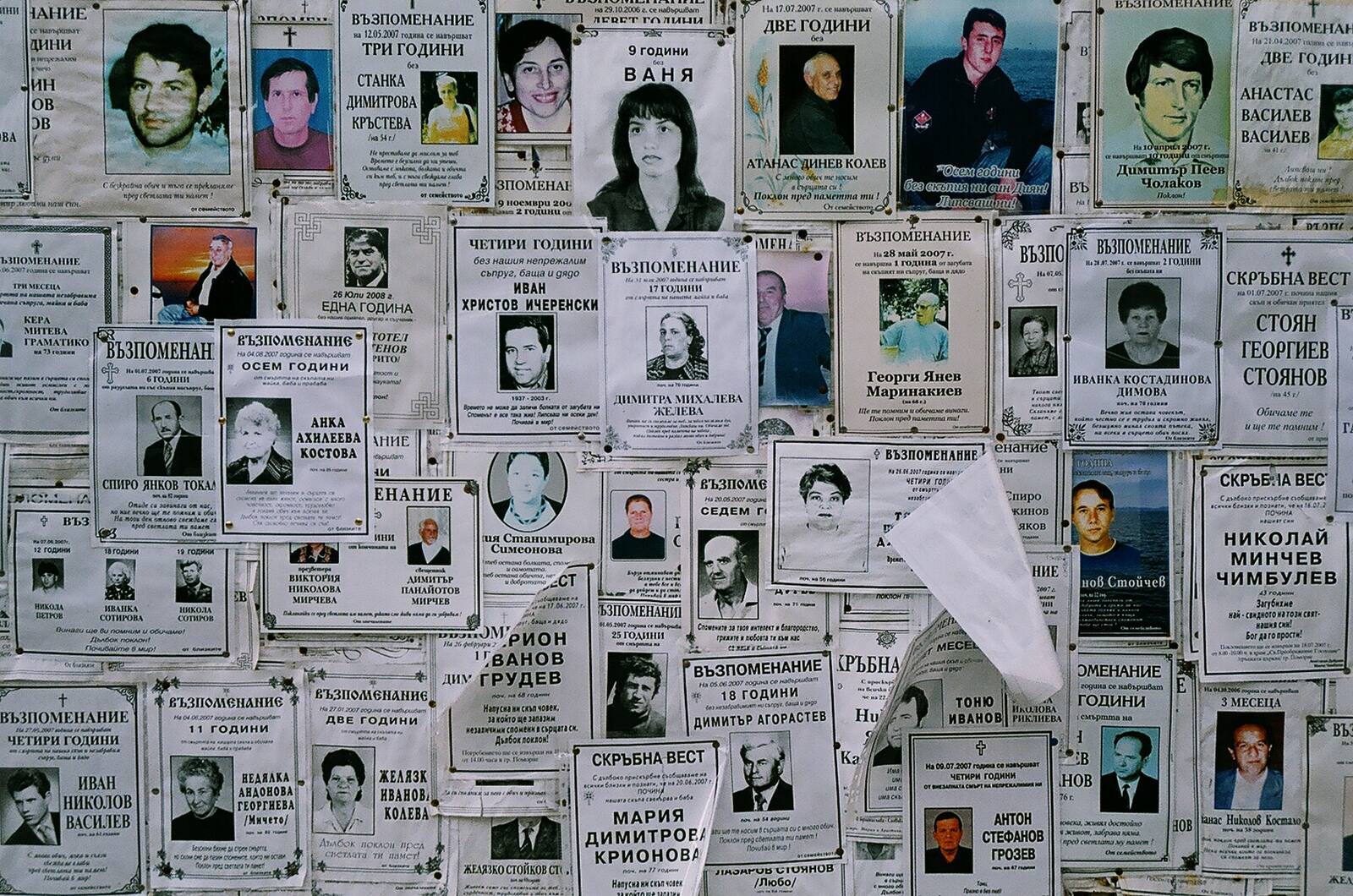
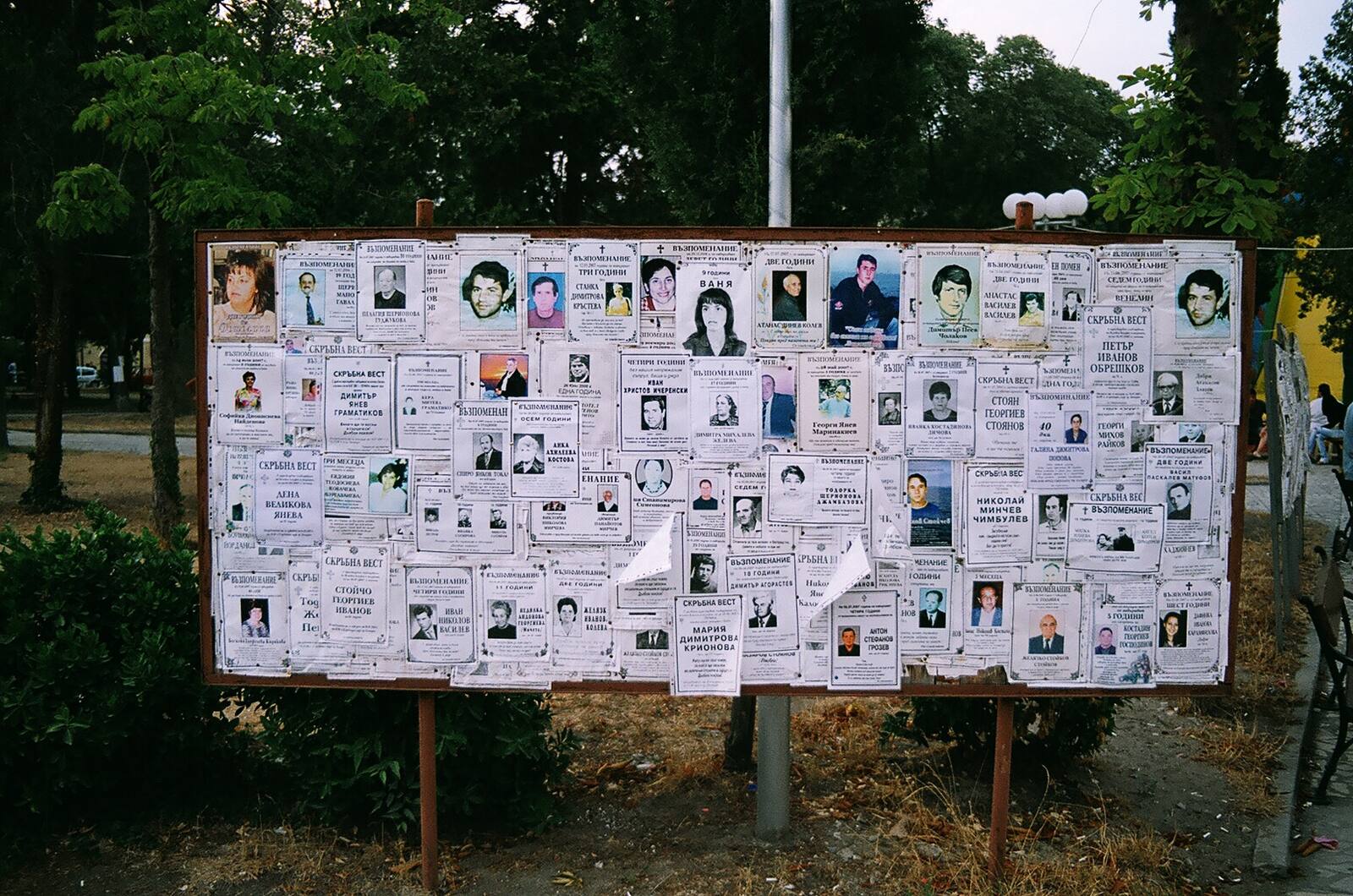
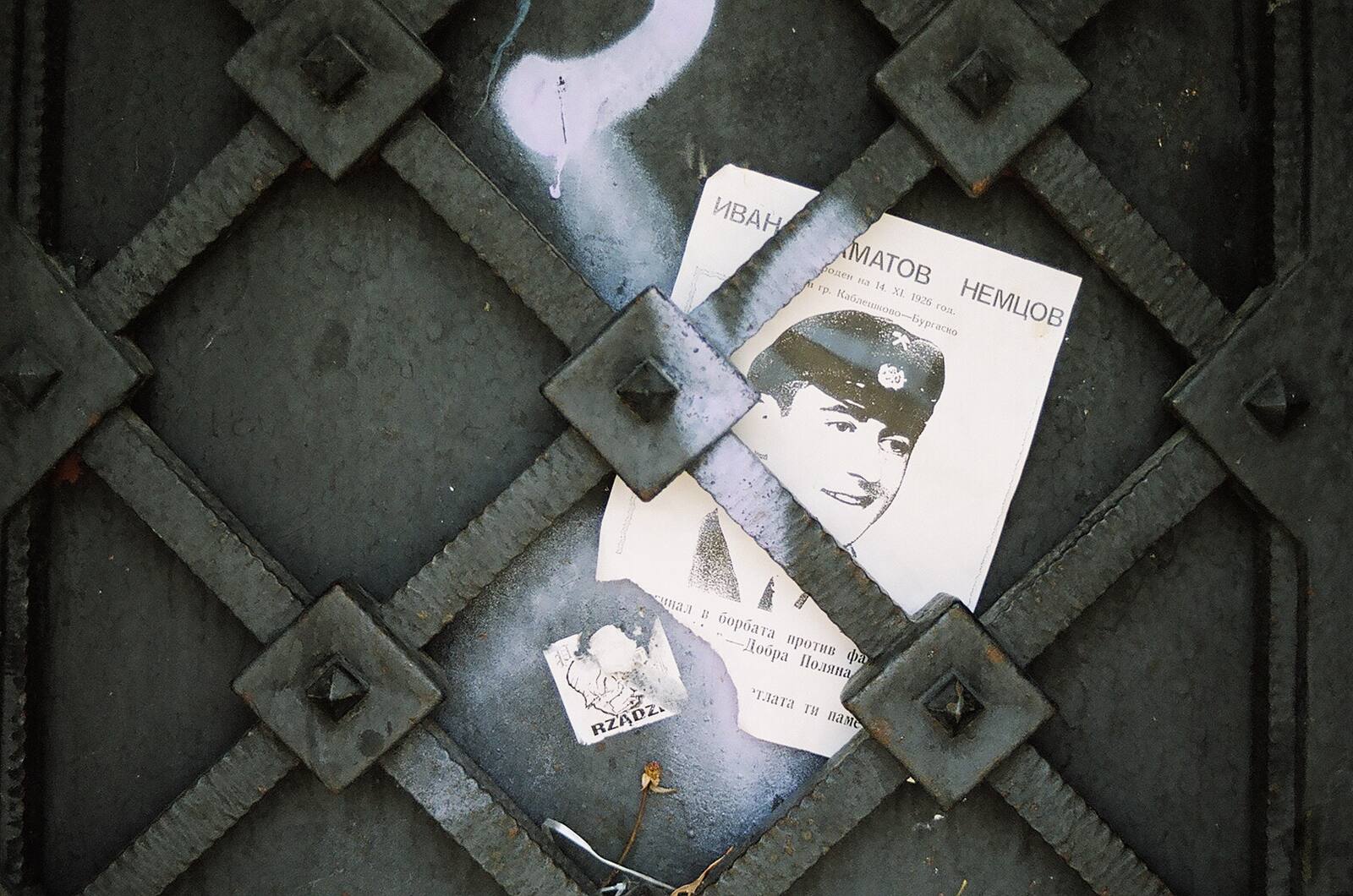
НекрологA necrolog is a death notice: a photograph, dates, and a few lines of grief, posted where the living walk — doors, lampposts, boards like this one. They go up at forty days, six months, a year; some families repost for decades.


In Bulgaria the dead stay in the conversation —
pinned at eye level,
refusing to be filed away.